Which magnetic phone holder stays fixed

Use a clamp-style magnetic phone holder and confirm its pull force matches your equipment and case. I suggest treating 1.8 kg as a practical starting point for many treadmill and spin-bike setups, but you should verify the hold for your exact machine and phone.
On this page (9 sections)
- Remember this
- What types of gym equipment mounts work best with magnetic holders
- How strong magnets need to be for gym equipment
- How to measure or verify magnet pull force yourself
- Compatibility with phone cases and MagSafe or Qi2 rings
- Safety and what magnets do to phones in gym use
- Best magnetic phone holders and specific models to consider
- How to pick the right product for your gym setup
- FAQ
Part of our guide on phone mount for 2 inch squat rack tube
Fast facts
- Typical pull force to start testing at
- around 1.8 kg (experience-based)
- Compatibility
- MagSafe, Qi2, thin steel plates or MagSafe-ready cases
- Best mounts
- bar or clamp mounts for treadmill and bike rails
- What to check
- manufacturer pull force or magnet type (neodymium)
Remember this
- Treat 1.8 kg as a rough, experience-based guideline for treadmill and spin bike use; test your setup.
- Choose clamp or bar mounts rather than adhesive or suction bases for gym machines.
- Prefer MagSafe, Qi2-compatible cases, or thin steel plates for reliable contact.
- Measure or verify pull force yourself with a simple scale test before trusting the mount.
- Certain commercial mounts already match the criteria; check manufacturer specs for pull force or magnet type.
What types of gym equipment mounts work best with magnetic holders
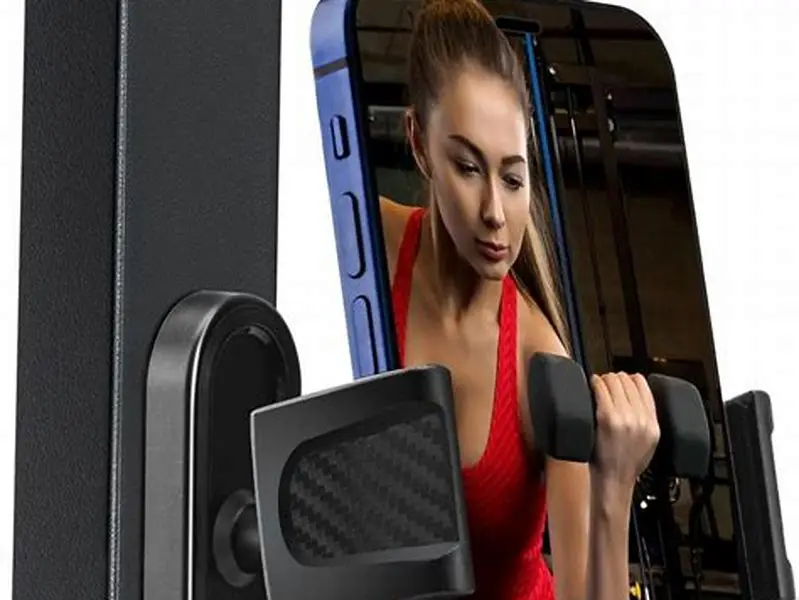
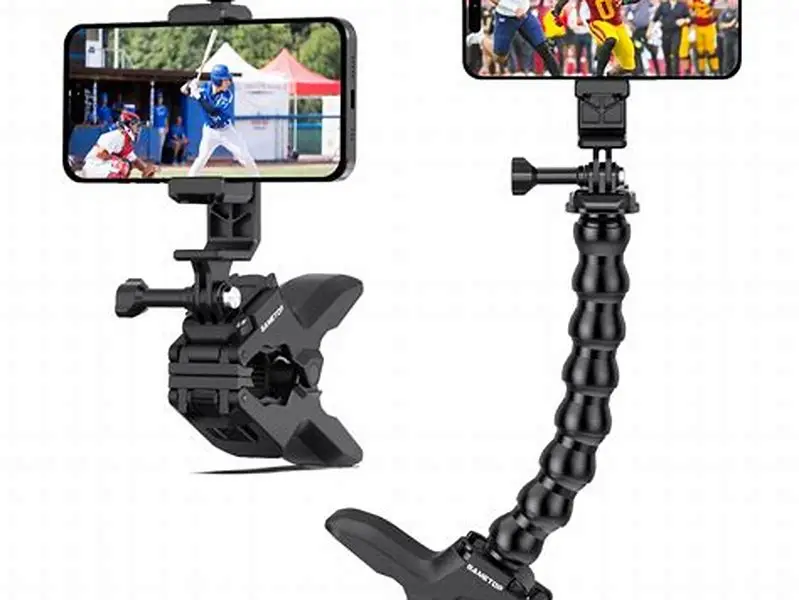
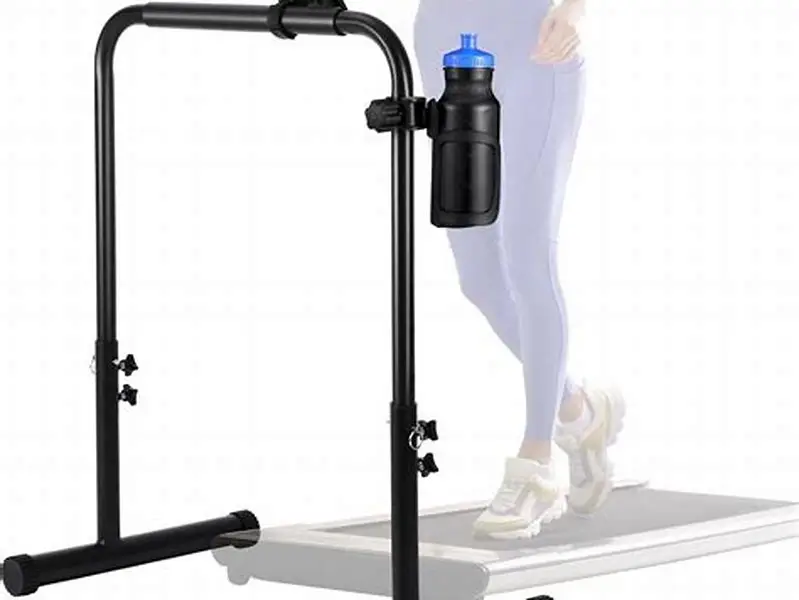
Clamps and bar mounts win for gym use. They grip tubular rails on treadmills, spin bikes, and cable machines.
Suction and adhesive bases fail more often. Sweat and vibration reduce their grip during a workout.
Choose a clamp with a wide opening or adapters if your machine has thick or odd-shaped handles.
Rubberized jaws or pads prevent scratches and stop the clamp from sliding on smooth metal. We cover best magnetic phone holder for a home gym in its own article.
If a machine’s handles are rubber-coated or textured, test the clamp’s grip before you rely on it during intense motion.
- Bar/clamp mounts - secure on tubes and handles
- Adhesive bases - unreliable with sweat and vibration
- Suction mounts - lose grip on textured surfaces
- Adjustable clamps - fit most gym machine shapes
How strong magnets need to be for gym equipment
Treatment of any single number starts with a test. I use 1.8 kg as a practical starting point for many treadmill and spin-bike setups. That value comes from hands-on testing across common phone weights and machine vibration levels, not a universal standard.
Manufacturers sometimes publish pull force. They may list it in newtons (N) or grams (g). Convert grams to kilograms by dividing by 1000. For example, 1800 g equals 1.8 kg. If a product lists pull force in newtons, divide by 9.8 to get the equivalent kilograms roughly. Before you commit to anything, it is worth looking at best holder for sweaty workouts.
Different machines demand different margins. A static rack needs less pull force than a treadmill or a bike with aggressive bouncing. Use higher pull force for machines that move rapidly or create jolts.
Don’t trust numbers alone. Static pull tests do not reflect dynamic forces from acceleration and vibration. Test your setup while using the machine at your normal workout intensity.
If a manufacturer gives a pull force, treat it as measured under ideal contact conditions. Real-world contact area and case thickness reduce effective pull. Add a safety step and test rather than relying on a flat percentage increase. We go through phone cradle for desk use step by step elsewhere on the site.
Magnets made from neodymium (rare-earth) deliver high pull for small size. Look for mounts that state the magnet type and list manufacturer pull specs when possible.
If you can’t find a published pull force, check the magnet type and the mounting design. Multiple magnet arrays and larger contact plates usually perform better than one small magnet.
| Gym Machine Type | Starting pull-force to test (kg) |
|---|---|
| Stationary racks and low-vibration weight machines | approx. 1.2–1.5 |
| Treadmills and ellipticals | approx. 1.8 |
| Spin bikes and rowing machines with higher cadence | approx. 1.8–2.2 |
How to measure or verify magnet pull force yourself
You can check pull force with common tools. The simplest method uses a luggage scale and a small steel plate or the mount base.
Hook or stick a thin steel plate to the mount’s magnetic face. Attach the luggage scale to the plate and pull straight out until the mount detaches. Read the peak weight on the scale. That value approximates pull force in kilograms.
If you don’t have a luggage scale, use a kitchen spring scale rated above your expected pull force. The same straight-out pull method applies.
Make sure the contact surfaces match how you’ll use the mount. Test with your phone in its case. Thick cases reduce pull. Test with the phone placed the same way it will sit on the mount.
Pull straight out at the same angle the phone would be pulled during a workout. Pulling at an angle underestimates the normal detachment force. Real-world motion includes shear forces. Try a few pulls at small angles to check robustness.
Record three readings and use the lowest peak as the conservative figure. Manufacturer numbers usually assume perfect contact, so your measurements will often be lower.
If you can’t detach for a test, weigh the phone and estimate. A mount that reports a pull force several times the phone weight gives more margin. For example, a 200 g phone on a mount rated for 2 kg has roughly 10 times the static phone mass; still test dynamically.
- Use a luggage scale or spring scale and a thin steel plate
- Test with your phone in its real case and the actual clamp orientation
- Pull straight out and at small angles to account for shear forces
- Take multiple readings and use the lowest value
Stop your phone sliding off gym machines. Check magnet type, clamp fit, and test the pull force before use.
Compatibility with phone cases and MagSafe or Qi2 rings
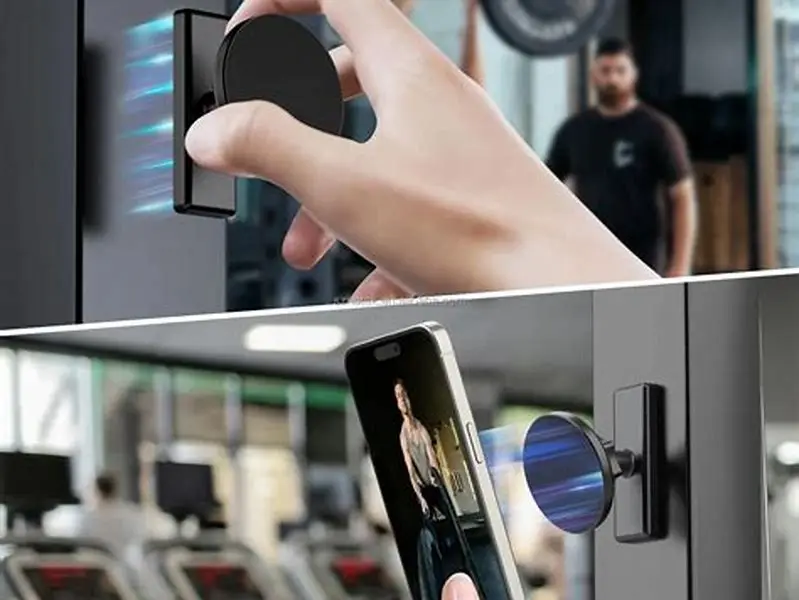
MagSafe and Qi2 cases work best when you want magnetic alignment and stable contact. They place magnets where mounts expect them.
Thin cases with a thin steel plate added inside or attached outside work too. Place the plate away from the phone’s wireless charging coil to avoid interference.
Thick, rugged cases reduce effective magnet pull. If you use a heavy-duty case, test the hold before relying on it.
If you add an adhesive steel plate to a case, use the plate orientation recommended by the mount maker. Some mounts include plates sized and shaped to align with their magnet array.
If you own an iPhone with official MagSafe, check manufacturer notes. Some mounts list MagSafe compatibility rather than a precise pull force. That tells you the mount is intended for MagSafe alignment, but you still should test for dynamic hold under workout conditions.
- MagSafe and Qi2 cases - best alignment and hold
- Steel plates - work with non-magnetic cases but watch wireless charging
- Thin cases - allow stronger magnetic contact
- Thick cases - often weaken magnetic hold
Safety and what magnets do to phones in gym use
Strong neodymium magnets in holders do not damage modern phone electronics or batteries under normal use. Phone components have shielding and design tolerances.
Magnets can affect magnetic strips on cards and some magnetic accessories. Keep credit cards and magnetic ID cards away from the mount.
If you worry about medical devices such as pacemakers, follow medical guidance about magnets near the body.
Magnets and wireless charging interact only if a metal plate sits directly over a charging coil. Test wireless charging with your setup before assuming it will work while mounted.
- No damage to modern phone batteries or circuits under normal use
- Keep credit cards away from strong magnets
- Test wireless charging with your case and plate layout
Best magnetic phone holders and specific models to consider
I list examples that fit the clamp-style, MagSafe-friendly, or strong magnet profiles readers asked for. Check each product’s current specifications and user reviews before buying. Manufacturers update models and specs often.
PITAKA MagEZ Mount Pro (MagSafe compatible). This mount uses MagSafe alignment and strong neodymium magnets in an array. PITAKA lists MagSafe compatibility and shows a robust clamp accessory for bikes and bars in its accessories. Users report secure holds on handlebars and treadmill rails when combined with the clamp accessory.
Scosche MagicMount Pro (steel-plate and magnetic options). Scosche sells mounts with large magnet faces and optional steel plates. Their clamp versions fit a range of tube diameters and have a proven track record in vehicle and gym mounts. Check model variants for clamp widths to match gym bars.
Nite Ize Steelie Pro Kit combined with a strong clamp. The Steelie system uses a steel ball and magnetic docking head. When paired with the Steelie clamp or a compatible clamp mount, it creates a stable attachment for bikes and racks. Users praise its mechanical hold plus magnetic docking convenience.
Spigen Mag Fit or Spigen Mag Armor series with a compatible clamp mount. Spigen offers MagSafe accessories and thin metal rings. Pair these with third-party clamp mounts that accept MagSafe plates for a compact solution.
WizGear Universal Magnetic Phone Holder (strong magnet variants). WizGear offers a range of magnetic holders and large magnet faces. Look for versions that include clamp mounts and specify neodymium magnets or published pull numbers in product listings.
Quad Lock Handlebar Mount is not a magnetic system, but I include it as a mechanical alternative when you need absolute security on extreme motion. Quad Lock uses a twist-lock mechanical interface. Choose this if magnets and clamps fail your machine type.
- PITAKA MagEZ Mount Pro - MagSafe array and clamp options
- Scosche MagicMount Pro - large magnet faces and steel plates
- Nite Ize Steelie - magnetic docking plus clamp mounting
- Spigen Mag series - MagSafe accessories to pair with clamp mounts
- WizGear - budget magnetic mounts with larger magnet faces
- Quad Lock - mechanical alternative for highest security
How to pick the right product for your gym setup
Check your bar diameter and handle shape first. That decides which clamps will fit.
Look for mounts that specify neodymium magnets and list pull force or include a large contact face. If a pull-force number is absent, check user reviews for gym use reports.
If you use MagSafe or Qi2 cases, prefer mounts that advertise MagSafe compatibility. If you use a non-magnetic case, plan to add a thin steel plate and test for wireless charging interference.
For high-impact training or machines without a secure clamp point, choose mechanical mounts or systems that combine clamps and mechanical locking instead of pure magnets.
Consider quick-release convenience for sweaty hands. A mount with an easy one-handed release helps during interval workouts.
Budget options can work for light gym use. For intense running or aggressive spin classes, invest in a higher-quality clamp and magnet array or a mechanical mount.
- Measure your bar diameter before buying
- Prefer mounts that list magnet type or pull force
- Test with your phone and case before trusting the mount
- Use mechanical mounts when magnets fail for your machine
Clamp-style magnetic mounts that list neodymium magnets and offer strong contact faces are the best choice for most gym machines. If your machine or case prevents a secure magnetic contact, pick a mechanical clamp system.
FAQ
Can a magnetic holder damage my phone’s battery?
Modern phones resist magnetic interference. Magnets in holders do not harm batteries or circuits under normal use. Test wireless charging with your case and any metal plate to be sure.
Will a magnetic phone holder work with any phone case?
Only MagSafe, Qi2-aligned cases or cases with added thin steel plates will reliably hold. Thick cases reduce magnetic contact. Test the actual phone-and-case combination before use.
How do I test if my magnet is strong enough for my gym machine?
Use a luggage or spring scale and a thin steel plate. Attach the plate to the mount and pull straight out until it detaches. Test with your phone in its case while the clamp is attached to your machine. Take multiple readings and use the lowest peak.
Are adhesive magnetic mounts reliable on treadmills?
Adhesive mounts often fail on sweaty, vibrating surfaces. For treadmills, prefer clamp mounts that grip the rail or a mechanical mount that locks in place.
Can I use a magnetic mount on my spin bike handlebars?
Yes if the clamp matches the handle diameter and the magnet/contact area is sufficient. Start with mounts rated for higher pull force or test them at high cadence to confirm stability.