Which phone holder fits and stays stable on your bicycle rack mount

Get a clamp that matches your rack bar diameter and uses a four-point or screw-down grip. Most racks need 10-13 mm clamps, and soft silicone jaws with a lower mount point stay stable. Avoid thin zip-tie straps on rear racks, they slip and vibrate loose.
On this page (8 sections)
- Remember this
- Bicycle rack cell phone holder: which setups actually fit and hold
- Fit: what sizes and clamp types fit typical bicycle rack bars
- Mounts: how different mounting methods affect phone stability during rides
- Vibration: what to check for to avoid phone vibration or slippage on bike racks
- Setup: how to mount and test for a shake-free ride
- Choice: which holder to pick for your rack and riding style
- FAQ
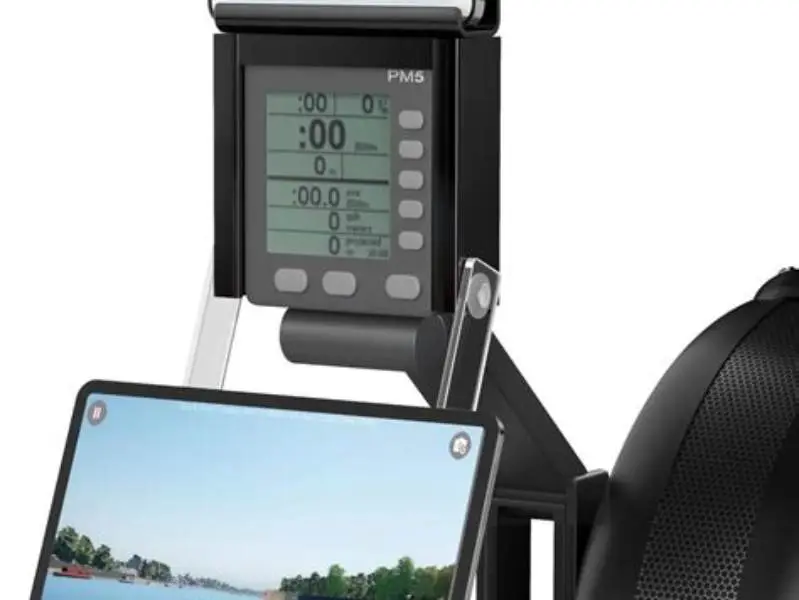
Part of our guide on phone holder for rower pm5
Fast facts
- Rack tube size
- usually 10-13 mm round
- Handlebar clamp size
- 22.2-31.8 mm, too big
- Needed clamp range
- 8-16 mm with shims
- Stable mount height
- low, close to rail
- Quick slip test
- 10 sec hard tug
Remember this
- Measure your rack tube with calipers before you buy any clamp
- Pick a small-bar clamp rated 8-16 mm with silicone shims
- Mount low and centered on the rack to cut leverage and shake
- Test with a hard tug and tap, if it rings it will blur video
Bicycle rack cell phone holder: which setups actually fit and hold
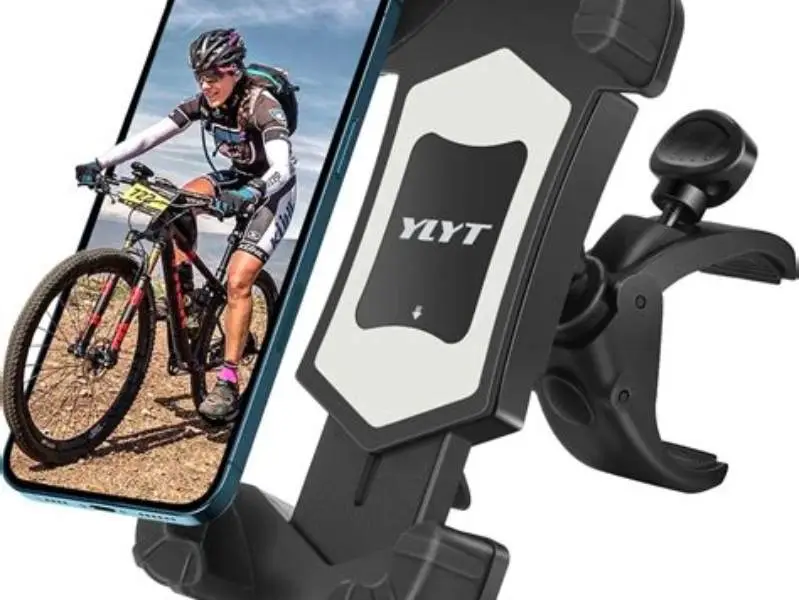
You want your phone on the rack, not the handlebars. A bicycle rack cell phone holder has to clear bags, lights and bungees while staying level over bumps. Most rear racks use round tubing around 10 mm to 13 mm, so a handlebar clamp sized for 22.2 mm or 31.8 mm will not close tight. You need a holder made for small-diameter tubes or one with a shim. Measure first. That's the whole game.
You see two rack shapes in the wild. Flat steel racks with oval plates and round tube racks with a single top rail. Flat racks give you a wide platform but no round bar to clamp, so you need a plate or edge clamp. Tube racks give you a rail but it is thin. Both shake more than handlebars because the rack sits behind the axle. We ride mixed pavement and gravel and the rack buzz is real.
We test fit by hand before we ride. Close the clamp, tug it hard side to side, then tap the phone. If it rings like a tuning fork, it will blur video and walk screws loose. A good rack holder stays dead when you tap it. Pick a holder with small-bar range and a low center of gravity. You want mass close to the bar, not perched high on a stalk.
Fit: what sizes and clamp types fit typical bicycle rack bars
Most rear rack rails measure 10 mm to 13 mm in diameter. Light alloy racks run 10 mm, steel touring racks often 12 mm to 13 mm, and some front low-rider rails drop to 8 mm. Oval platform stays can be 14 mm by 8 mm. You need a clamp that lists a 8-16 mm range, not a handlebar range. Check the spec line, not the photo. For the detail, see our notes on who might use this phone stand.
Clamp style matters as much as size. Screw-down band clamps with a captive nut bite evenly and stay put. Lever cams are fast but can creep on thin tubes. Hose-style worm clamps grip well yet chew paint unless you add a rubber liner. Plate clamps hook the flat deck and work when there is no round tube to grab. U-bolts fit if the deck is narrow.
Shims make or break the fit. Good kits include stepped silicone or rubber inserts for 10 mm, 12 mm, and 13 mm. Hard plastic shims slip when wet. Soft silicone grips and damps buzz. If your rack is oval, use a flat-backed shim or a short adapter plate. Tighten until the rubber just bulges, no more. Over-torque crushes the tube.
| Clamp type | Fits rack size | Stability on rack | Best use |
|---|---|---|---|
| Screw band with silicone shim | 8-16 mm | high | round rear rail |
| Lever cam | 10-14 mm | medium | quick swap |
| Hose worm clamp + liner | 8-15 mm | high | permanent mount |
| Plate edge clamp | flat deck | medium-high | flat steel racks |
Mounts: how different mounting methods affect phone stability during rides
Mount method sets how much shake reaches your phone. A low cradle bolted straight to the rail moves with the rack. A tall stalk or gooseneck acts like a lever and magnifies every bump. We see blurry video most often from tall stalks, not from the clamp itself. Keep the phone deck within 20 mm to 30 mm of the rail. We go through phone mount for steady racing bicycle camera step by step elsewhere on the site.
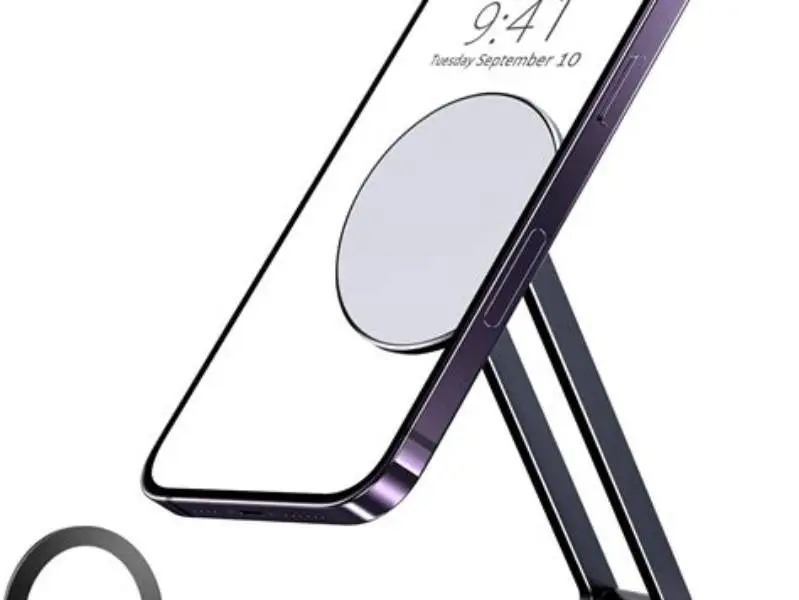
Four contact points beat two. A tray with corner jaws or a four-arm claw holds square and resists twist. Single-arm or spring jaws can pivot when you hit a pothole. Magnetic pucks feel tidy but need a full ring and a case with a recess. On a rack, magnets add a second joint and that joint can wobble unless it locks.
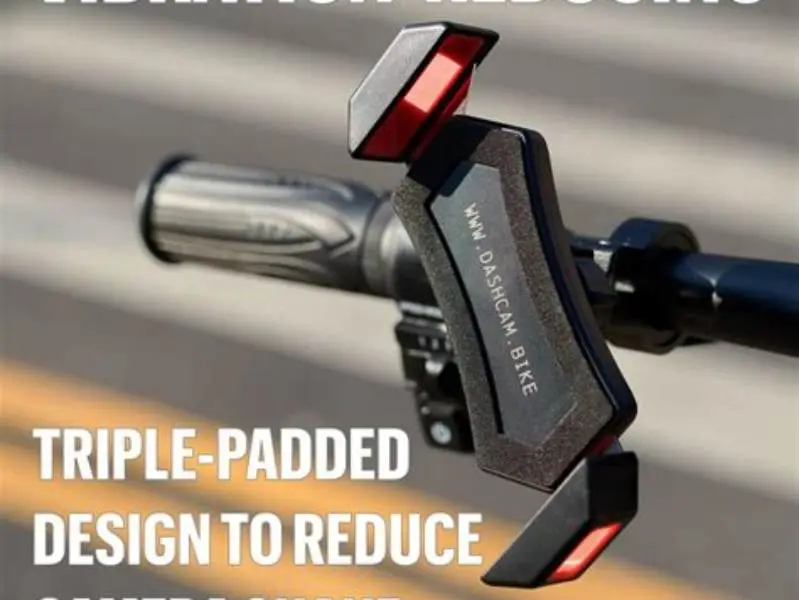
Strap and zip-tie mounts feel easy and fail fast. They stretch in heat, loosen in rain, and let the phone saw back and forth. Bolt-through or screw-band mounts stay tight because metal sets the preload. If you must use a strap, pair it with a safety tether. You will thank yourself after the first big crack in the road.
- low cradle: less shake, better video
- screw band: holds preload, resists creep
- tall stalk: magnifies bumps
- zip strap: stretches and slips
A handlebar phone clamp is twice too big for most rack rails and will rattle your video to mush.
Vibration: what to check for to avoid phone vibration or slippage on bike racks
Racks buzz at a higher pitch than handlebars. The rail is thin, the span is long, and bags act like sails. That buzz walks screws out and makes footage shimmer. Look for silicone damping at two places: between clamp and rail, and between cradle and phone. Hard plastic on metal transmits buzz. Soft silicone soaks it.
Slip starts with polish and water. Smooth powder coat plus rain equals slide. Check the liner. It should be soft, tacky, and wrap at least half the tube. Check the cradle jaws too. They should touch phone or case on rubber, not bare plastic. If you use a MagSafe ring, add a thin silicone pad or the phone will micro-shift.
Do a 30-second shake test before you trust it. Load the phone, hit the top of the rack with your palm, watch the image. If lines double, you need more damping or a lower mount. Tighten screws to the torque printed on the clamp, usually 2 Nm to 3 Nm for small bolts. Use a dab of blue threadlocker on steel threads. Do not use it on plastic.
- Liner check: full wrap, no gaps, tacky silicone not hard plastic
- Jaw check: four points, rubber faces, no play when you twist
- Bolt check: snug at 2-3 Nm, threadlocker on metal threads
- Tether check: short leash to rack in case the main grip fails
Setup: how to mount and test for a shake-free ride
Pick a spot low and centered. Mid-rail near a weld or cross brace shakes less than the tail end. Keep the phone clear of pannier hooks and bungee paths. You want the screen readable but not catching wind. Center mass over the rail, not off to one side.
Set the dampers first, then torque. It is easy to crush a thin rail by chasing a wobble with more force. Add the right shim, get full contact, then tighten in small steps. If you hear creaking, stop. Back off and reseat the liner. A quiet clamp is a happy clamp.
We finish with a road test you can repeat. Short loop, same bumps, phone recording. Watch for drift, tilt, and buzz. If it holds for ten minutes of rough ground, it will hold for a day. Small tweaks now save a lost phone later.
- Measure rail in two places with calipers and note 10, 12 or 13 mm
- Choose clamp rated 8-16 mm with silicone shims for your size
- Fit shim, wrap clamp, hand-tighten, align cradle low and level
- Torque to 2-3 Nm, add blue threadlocker on metal bolts only
- Tug 10 seconds side to side, tap test for ring, add tether
- Record 2 minute test ride over bumps and check video for shimmer
Choice: which holder to pick for your rack and riding style
Two riders make the choice clear. Maya commutes with a flat steel rack, a tote, and a 6.1-inch phone in a thin case. She needs a plate edge clamp with a low tray and silicone jaws. It stays clear of the bag and holds tight on the deck edge. A tube clamp would have nothing round to grab.
Jon tours on a round-tube alloy rack with panniers and films clips for friends. He needs a screw-band clamp with stepped shims for 10 mm to 13 mm, a low four-arm cradle, and a short safety tether. The screw band resists creep, the low cradle cuts lever shake, and the tether covers the one time a jaw loosens. Both skip tall stalks and zip straps.
Rule of thumb we use: if you can slide a business card under the liner after tightening, you have the wrong shim. Swap it. You want full rubber contact all around the tube and no card gap. That single check predicts most slips before you roll. Buy the clamp that passes it, not the one with the fanciest arm.
- plate clamp: solves flat racks with no tube
- screw band + low cradle: best for round rails and video
- lever cam: fast but creeps on thin tubes
- tall arm: looks handy, shakes more
For most rear racks a low screw-band clamp with silicone shims and a four-point cradle is the stable pick.
FAQ
Can I use a handlebar phone mount on a rear rack?
Usually no. Handlebar clamps fit 22.2 to 31.8 mm and will not close on a 10-13 mm rack rail. You need a small-bar clamp rated 8-16 mm with shims, or a plate clamp for flat racks.
Will rack vibration damage my phone camera?
Long buzz can stress optical stabilization in some phones. Use silicone damping at clamp and cradle, keep the mount low, and move the phone to a pocket on very rough roads if video shimmers.
What keeps a rack mount from slipping in rain?
A soft silicone liner that wraps half the tube, correct shim size, and proper torque around 2-3 Nm. Hard plastic liners and zip ties slip when wet.
Do magnetic mounts work on a bicycle rack?
They can if the magnet locks and the ring is centered, but magnets add a joint that can wobble on a buzzing rack. A four-point jaw or screw cradle is more stable for video.