Does a magnetic phone holder affect your phone battery or charging

When used as intended, magnetic phone holders do not damage lithium-ion batteries or permanently reduce battery health. Magnets can, however, affect magnetic sensors (compass/magnetometer) and (if they cause misalignment with an inductive charging coil) may reduce wireless charging efficiency. Measure and test your specific holder and phone combination to confirm compatibility.
On this page (8 sections)
Part of our guide on magnetic mounts and overheating
Fast facts
- Typical magnet strength
- Varies by product; measure with a gauss (magnetic field) meter at the magnet surface to know for sure
- Battery impact
- No known harm to lithium-ion batteries from consumer magnetic holders when used normally
- Charging interference
- Possible if the magnet or case shifts inductive coil alignment; test to confirm
- Magnetic sensor sensitivity
- Magnetometer/compass can be affected at close range
- Phone case magnets
- Common; use manufacturer-approved cases for best compatibility
Remember this
- Magnets in typical phone holders are unlikely to harm lithium-ion batteries.
- Magnetic sensors (compass/magnetometer) can be temporarily affected by nearby magnets.
- Wireless charging (Qi/MagSafe) can be sensitive to coil alignment; poorly positioned magnets or cases can cause slower charging.
- Measure magnetic field strength with a gauss meter and verify charging with a USB power meter or charging app to confirm real-world effects.
- Check your phone maker’s guidance (e.g., Apple MagSafe documentation) and use accessories made for your specific model when possible.
Does magnetic phone holder affect phone battery
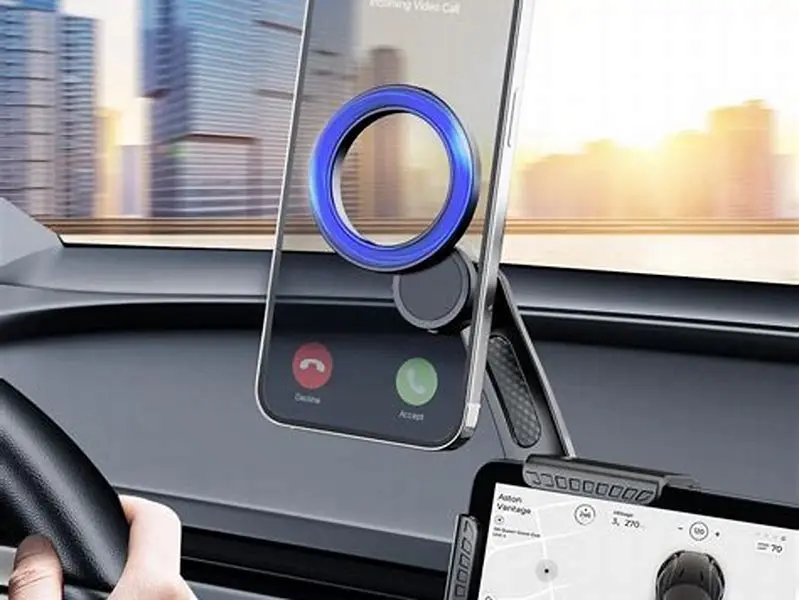
Lithium-ion batteries in phones store energy chemically inside sealed cells. They are not powered by external magnetic fields, and there is no established mechanism by which the weak magnets used in consumer phone mounts would chemically degrade the battery under normal use.
Manufacturers and technical references indicate that magnetic fields of the types produced by typical phone accessories do not change the chemical integrity of lithium-ion cells during normal operation or storage. For example, Apple’s guidance about MagSafe and wireless accessories focuses on compatibility with charging and sensors rather than battery chemistry (see References).
If you want to confirm the magnetic field near your holder, measure it with a handheld gauss meter (also called a magnetometer or teslameter) at the surface of the magnet and at the location on your phone where the magnet will sit. The reading will tell you the local field strength and help you evaluate any potential sensor effects. Instructions for how to measure are in the Measuring magnet strength section below.
Phones do not use magnetic fields to manage battery charging in their battery management systems; those systems rely on voltage/current sensing and temperature monitoring. Therefore, magnetic fields alone are not expected to cause battery chemistry damage. However, magnetic accessories that physically obstruct cooling vents or press on the phone could indirectly affect charging behavior via heat or poor contact. The other half of this decision is exercise bike phone holder 3d print.

EMI Magnetic Field Gauss Meter Detector MG-2000T Triple Axis Professional use
Provides handheld measurement of magnetic field radiation in micro Tesla or milli Gauss units to verify magnetic holder field strength at the phone surface.
Can magnetic holders damage phone components
Most consumer magnetic holders use modest magnets intended to hold a lightweight phone. The components most susceptible to nearby magnetic fields are magnetic sensors (magnetometer/compass) and, in some cases, devices or accessories that rely on precise magnetic encoding (older magnetic stripe cards, certain mechanical sensors). Modern flash memory (NAND) and displays are not erased or corrupted by the small static magnetic fields produced by typical phone magnets.
Temporary sensor disruption is common: a magnet near the phone can cause the compass or orientation-dependent functions to report incorrect headings until the phone is moved away or recalibrated. This is a functional interference rather than permanent hardware damage.
Physical damage can occur if a magnetized accessory scratches, presses on, or blocks ports or if very large rare-earth magnets are placed directly over sensitive components for prolonged periods. Avoid placing strong neodymium magnets directly on the screen, camera area, or charging port. Before you commit to anything, it is worth looking at does a magnet affect a cell phone.
Manufacturers place magnets in accessory-friendly locations when designing cases or MagSafe-compatible products to reduce the chance of interference. Using accessories specifically designed for your phone model reduces the likelihood of component issues.
Do magnetic cases or chargers interfere with phones
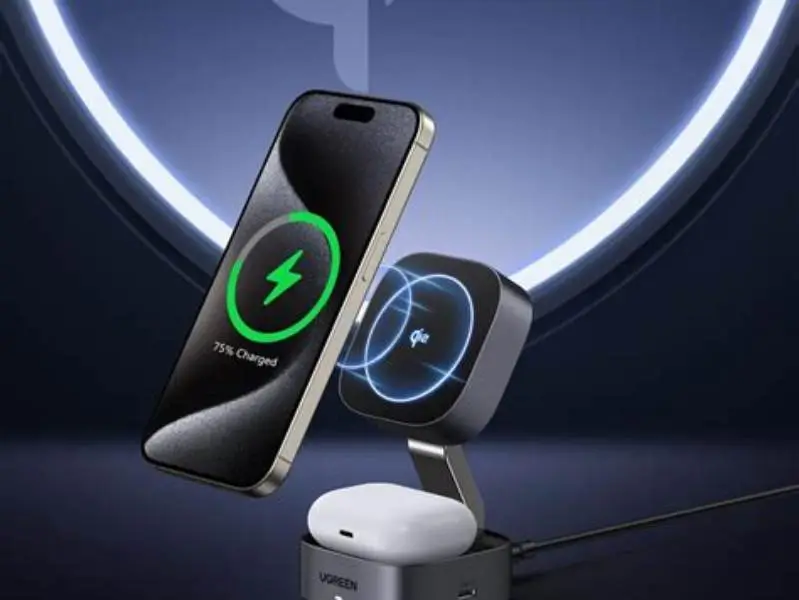
Magnetic cases and chargers made for a particular phone or standard are engineered to work together. Apple’s MagSafe system (iPhone 12 and later models that support MagSafe) uses aligned magnets to help the phone seat correctly on chargers; Apple documents compatibility considerations for MagSafe accessories (see References).
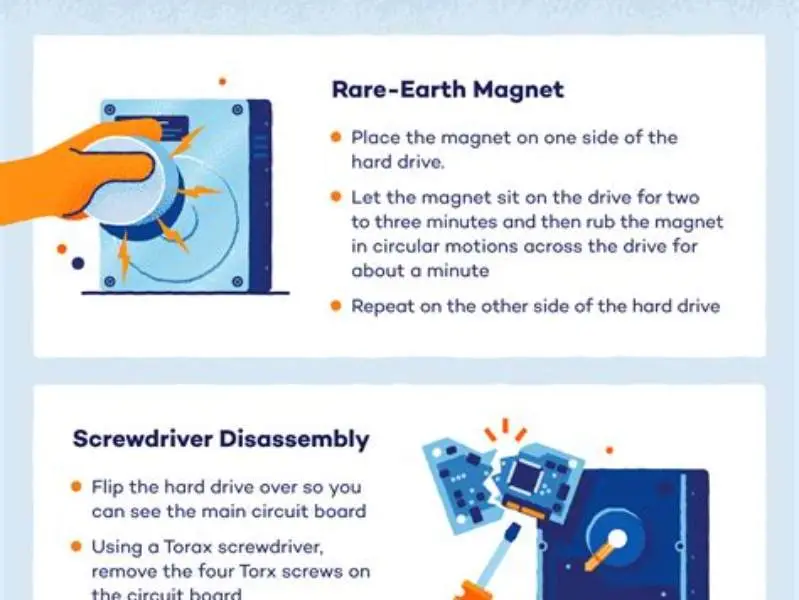
Qi wireless charging (managed by the Wireless Power Consortium) depends on coil alignment and distance between coils. A magnet that helps alignment can be beneficial, but an off-center magnet or a poorly designed magnetic case can shift the phone relative to the coil and reduce charging efficiency. Before you commit to anything, it is worth looking at will a magnet erase a hard drive.
A well-designed magnetic case will include shielding and proper magnet placement so the magnet does not sit directly over the wireless charging coil or other sensitive areas. Poorly designed cases may cause alignment issues, which can slow charging or cause intermittent charging, but this is primarily an alignment/thermal/contact issue rather than direct magnetic damage.
If you use a magnetic mount and want wireless charging, prefer accessories advertised as compatible with your phone’s wireless charging standard (e.g., MagSafe-compatible accessories for MagSafe phones or Qi-certified chargers).
| Function | Magnetic Case Effect | Magnetic Charger Effect |
|---|---|---|
| Battery Health | No effect when accessories are used correctly | No effect |
| Wireless Charging | May change coil alignment if poorly designed | Designed for alignment with compatible phones |
| NFC Function | Quality cases include shielding; check compatibility | No effect for properly designed chargers |
| Sensor Accuracy | Possible temporary interference with compass | Possible only if magnet is close to phone sensors |
Magnetic phone holders rarely affect battery health but can influence sensor readings and wireless charging alignment; measure and test your specific setup to be sure.
Why some phone cases are magnetic
Manufacturers embed magnets in phone cases to enable mounting to accessories, attach wallets or stands, or align phones on magnetic chargers. These magnets are positioned to balance holding force and avoidance of sensitive components.
Reputable accessory makers test magnet placement against phone internals and wireless charging coils. For phones explicitly designed for magnetic accessories (for example, Apple’s MagSafe on iPhone 12 and later), accessory makers follow published mechanical and electromagnetic design recommendations to ensure compatibility (see References).
Using cases and accessories advertised as compatible with your specific phone model reduces the likelihood of interfering with sensors or wireless charging. If buying a third-party magnetic case, look for model-specific compatibility statements and certifications (MagSafe-compatible, Qi-certified, etc.).
Avoid stacking multiple magnetic accessories (for example, a magnetic wallet plus a magnetic mount) without testing: multiple magnets in close proximity can change the local field distribution and potentially increase the chance of sensor disruption or alignment issues.
Whether strong magnets can harm cell phones
Very large or strong magnets (for example, bulk neodymium magnets used for industrial or hobby purposes) produce much stronger fields than consumer phone accessories. Technical documentation from magnet suppliers shows that large rare-earth magnets can have surface fields in the hundreds of millitesla or higher depending on size and grade (see References). Such strong fields can cause sensor damage, mechanical attraction to metal parts, or other hazards if misused.
Consumer phone mounts generally do not include such large magnets. If you intentionally use unusually strong magnets near a phone, keep them away from the camera module, ports, and any accessory data-storage media and measure the field to confirm it does not create unwanted effects.
The practical guidance is: do not improvise with large rare-earth magnets on or against your phone. Use dedicated mobile accessories that the manufacturer has tested for compatibility.
Does magnetic phone holder affect battery or charging
In normal consumer use, magnetic phone holders do not degrade battery health or permanently reduce battery capacity. The main practical impacts you might see are temporary sensor errors and possible reductions in wireless charging efficiency due to alignment changes.
Wireless charging systems (Qi and proprietary systems like Apple’s MagSafe) rely on coil alignment, spacing, and the presence of foreign objects that can affect coupling. A magnetic accessory that is well-designed for the phone should not block or misalign the charging coil; a poorly placed magnet or case might shift alignment and cause slower or intermittent wireless charging. To determine whether your setup is affected, perform the tests described below.
Wired charging is governed by the USB power delivery and the physical contact of the cable and port; magnetic holders do not interfere with wired charging unless they obstruct the cable or port.
Some phones include firmware that monitors charging conditions and may throttle or pause charging if it detects overheating or other anomalies. If a magnetic mount causes the phone to run hotter (for example, by blocking airflow), the phone may reduce charging speed temporarily as a protective measure. This is an indirect effect related to thermal conditions, not the magnetic field itself.
- Attach your phone to the magnetic holder in the usual driving or usage position.
- Place the phone on your wireless charger (if you use wireless charging) or plug in a wired charger.
- Observe the charging indicator and phone temperature. Note whether charging starts and whether it remains steady.
- Use a USB power meter (inline meter) or a charging-monitoring app to measure input current and power during charging. Record readings with and without the magnetic holder/case in place.
- If charging speed is noticeably lower with the magnetic accessory, adjust magnet position or remove the accessory and repeat the test. If issues persist, use accessories certified for your phone’s wireless charging standard or switch to wired charging.

YEREADW USB C Tester Power Meter
Measures USB charging voltage (4-30V) and current (0-12A) to compare charging power with and without magnetic holder.
FAQ
Can magnetic phone holders erase or corrupt phone data?
Most modern phones use solid-state flash (NAND) storage, which is not susceptible to data loss from the small static magnetic fields produced by consumer phone holders. There is no documented case of data erasure from typical magnetic phone accessories. If you are using magnetic stripe cards, however, strong magnets can affect magnetic stripes.
Will a magnetic holder affect GPS accuracy?
GPS satellite reception itself is not affected by a magnet, but the phone’s internal compass (magnetometer) can be skewed by a nearby magnet, which may cause incorrect heading information in navigation apps. Remove or move the magnet away from the phone to restore correct compass behavior or recalibrate the compass if needed.
Are all magnetic phone holders safe for all phone models?
Most magnetic mounts are safe, but compatibility varies by phone model and accessory design. Phones that explicitly support magnetic accessories (for example, iPhones with MagSafe) will have a clearer compatibility path. Check your phone manufacturer’s guidance and use accessories labeled compatible with your phone and its charging standard.
Can magnets interfere with credit cards in phone wallets?
Strong magnets can demagnetize or corrupt the magnetic stripe on older credit/debit cards. Modern contactless cards (EMV/chip, RFID/NFC) are less susceptible to static magnetic fields, but to be safe, avoid placing strong magnets directly on magnetic-stripe cards or use card sleeves designed to protect them.
Does the strength of the magnet matter for phone safety?
Yes. The local field strength and how close the magnet sits to phone sensors determine the likelihood of interference. Rather than relying on vague thresholds, measure the magnet’s field at the phone surface and test the actual behavior of your phone when mounted.