Ferromagnetic plate glued to case effect on wireless charging and compass

A ferromagnetic plate glued to a phone case usually reduces Qi wireless charging efficiency by 10-30% depending on thickness and placement, and can cause compass errors up to 20 degrees or more by distorting the magnetic sensor's field.
On this page (8 sections)
- Remember this
- Does the ferromagnetic plate block or reduce Qi wireless charging efficiency?
- How does a glued ferromagnetic plate influence the phone's compass accuracy?
- What physical interactions cause interference or none?
- Are there ways to test or measure the effect before buying?
- Will the ferromagnetic plate damage the phone or degrade performance long-term?
- Will a ferromagnetic plate glued to a phone case disrupt wireless charging or compass?
- FAQ
Part of our guide on magnetic mounts and overheating
Fast facts
- Wireless charging loss
- 10-30% typical
- Compass deviation
- up to 20° error
- Plate thickness
- usually 0.1-0.5 mm
- Effective distance
- 2-5 mm gap
- Qi charging range
- 4-6 mm max
Remember this
- Ferromagnetic plates reduce wireless charging efficiency due to magnetic field alteration.
- Compass accuracy suffers as ferromagnetic material distorts geomagnetic sensing.
- Thickness and position of the plate strongly affect interference levels.
- Testing wireless charge speed and compass calibration before permanent use is vital.
- Magnetic interference can be minimized but not fully eliminated with plates glued inside cases.
Does the ferromagnetic plate block or reduce Qi wireless charging efficiency?
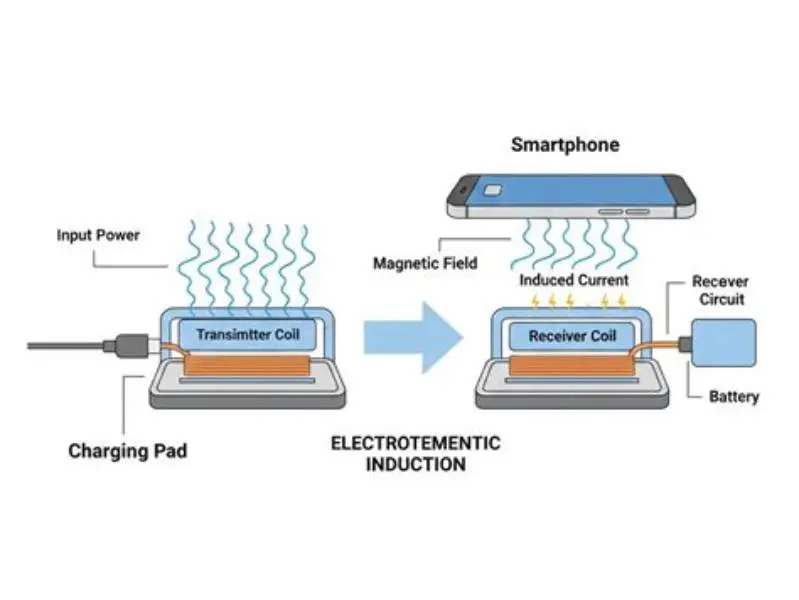
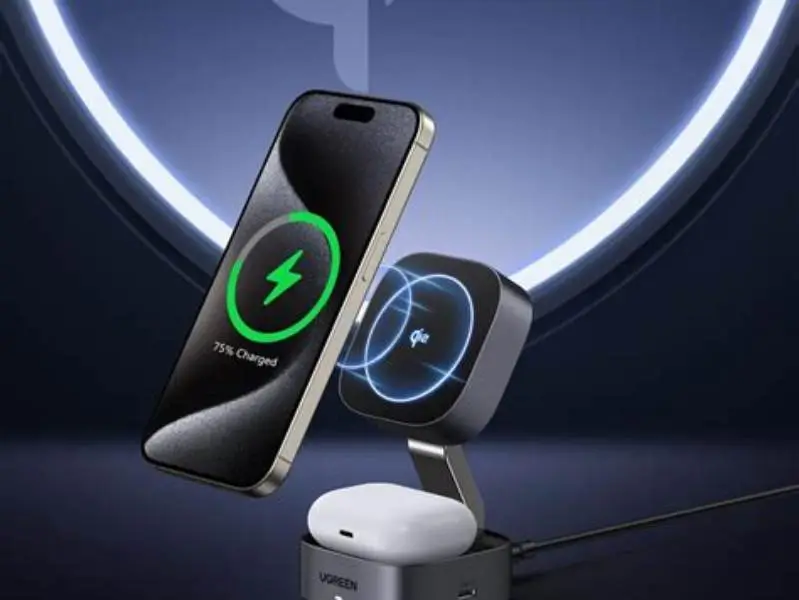
Qi wireless charging transfers power through magnetic induction coils inside the charger and phone. A ferromagnetic plate glued to your phone case alters the magnetic field between these coils. Typical plates range from 0.1 to 0.5 millimeters thick and are positioned within 1-3 millimeters of the coil in the phone.
This proximity allows the plate to attract and concentrate magnetic flux, but this distorts the field geometry needed for efficient power transfer. As a result, you see a reduction in charging speed by about 10 to 30 percent under usual conditions. The precise loss depends on the exact plate size, shape, and relative position to the coil.
If the plate is directly aligned over the charging coil, the impact is strongest. Slight offset or increasing distance (adding a thin spacer to the case) can reduce the effect. However, beyond roughly 5 to 6 millimeters distance, Qi charging efficiency drops sharply even without a plate due to coil alignment limits.
The phone and charger’s coil specifications also matter. High-power Qi chargers can partly compensate for the plate’s presence by increasing current, but this risks overheating and is not guaranteed. It helps to understand magnetic plate in phone case and car keys before going further.
The plate does not block charging but degrades it measurably. Your case design must consider this compromise.
How does a glued ferromagnetic plate influence the phone's compass accuracy?
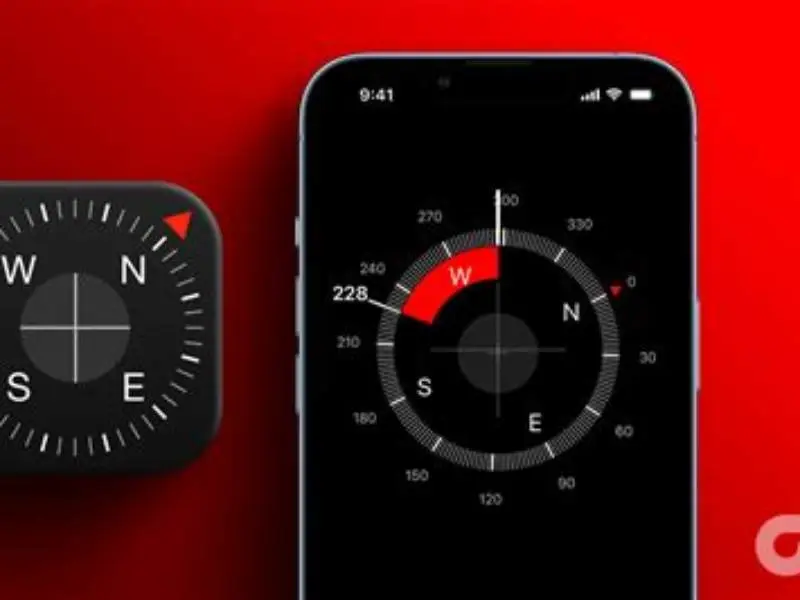
Smartphone compasses rely on magnetometers that detect Earth’s magnetic field. Ferromagnetic plates produce local magnetic fields and alter the ambient magnetic environment around the sensor. This causes compass readings to deviate from true magnetic north by 10 to 20 degrees, sometimes more, depending on plate size and placement.
The magnetometer sensors are often located near the top or bottom edge inside the phone, typically within a few millimeters of the inside case surface. A plate glued inside the case close to the sensor can permanently bias the readings. This bias creates consistent errors even after recalibration. The other half of this decision is iphone compass and magnets.
Recalibrating the compass by figure-8 movements or software adjustments may reduce error but usually cannot eliminate it completely when a ferromagnetic plate is fixed in place. The physical magnetic distortion remains.
If compass accuracy is critical (navigation, augmented reality, or apps relying on heading) it’s safer to avoid ferromagnetic plates glued near the sensor or use non-magnetic mounting options instead.
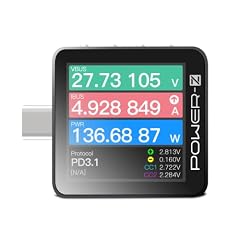
ChargerLAB Power-Z KM003C Portable USB-C Fast Charging Tester PD3.2 QC5.0
Provides accurate voltage and current detection up to 50V 6A with a 20 bit ADC and USB PD protocol analyzer, enabling precise measurement of charging current or time.
What physical interactions cause interference or none?
Ferromagnetic plates interfere primarily by distorting magnetic fields. Wireless charging coils create alternating magnetic fields at frequencies of 100-200 kHz. Ferromagnetic material concentrates magnetic flux lines but also generates eddy currents that absorb energy, reducing power transfer efficiency. People in this spot often ask about phone case magnet affecting car key fob as well.
For compass sensors, which detect Earth’s static magnetic field (~25 to 65 microteslas), the plate’s static magnetic permeability distorts measurements, producing directional errors. The effect is stronger the closer and thicker the plate is to the sensor.
If the plate is made from non-magnetic metal or placed with sufficient air gap (more than 6 millimeters), interference drops sharply. A simple steel washer glued well away from coils and sensors often causes negligible disruption. But typical ferromagnetic materials like iron or steel sheets glued directly inside cases do cause interference.
Plastic and non-metallic mounting materials cause no interference. The main physical interactions to watch for are magnetic flux distortion for charging and sensor bias for compass errors.
| Component | Effect on Wireless Charging | Effect on Compass Accuracy |
|---|---|---|
| Ferromagnetic plate close | Reduces efficiency 10-30% via flux distortion | Causes 10-20° compass offsets |
| Non-magnetic metal plate | Minimal effect if >3 mm distance | No compass interference |
| Plastic or rubber spacer | No effect | No effect |
| Large air gap (>6 mm) | Qi charging cuts out due to coil range | No compass interference |
A ferromagnetic plate glued inside your phone case distorts magnetic fields, affecting wireless charging speed and compass accuracy in measurable ways.
Are there ways to test or measure the effect before buying?
Testing before finalizing a ferromagnetic plate attachment is wise. First, verify wireless charging speed with and without the plate glued in place. Use a Qi wireless charger and a power meter or timing method to measure charging current and time for a fixed battery percentage increase.
Second, test compass accuracy by opening a compass or navigation app. Calibrate the compass with the plate in position and check for consistent heading offsets or erratic readings. Compare to the phone without the plate.
A straightforward method is to temporarily attach the plate with removable tape and test both functions in place for several minutes. This avoids permanent misalignment or damage.
For a more technical approach, a gaussmeter can measure magnetic field distortion near the sensor area, and a wireless charging analyzer (used by technicians) can quantify power transfer efficiency, but these are specialized and costly devices.
You want key metrics: charging power loss less than 20% and compass error under 5 degrees are acceptable for most users. Larger deviations mean the plate placement or material needs reconsideration.
- Attach ferromagnetic plate temporarily to the phone case.
- Place phone on Qi wireless charger; measure charging speed or current.
- Open compass app; perform calibration figure-8 moves.
- Check compass heading against a known reference or another device.
- Decide if performance drop is acceptable or if repositioning is needed.
Will the ferromagnetic plate damage the phone or degrade performance long-term?
A ferromagnetic plate glued to the case does not cause physical damage or electrical harm to the phone. Modern smartphones are built with shielding and safety circuits protecting internal components.
However, long-term use with a plate may cause slightly increased heat during wireless charging due to inefficiency. This could marginally affect battery health if charging conditions worsen.
Compass sensors may become unreliable for extended periods, leading to incorrect app behavior, which can be frustrating but is not physical damage.
If the plate causes significant wireless charging issues, users may resort to wired charging, which avoids interference but loses convenience.
The trade-off balances convenience of magnetic mounting against minor efficiency loss and compass errors. Neither will harm your phone, but be prepared for these performance compromises.
Will a ferromagnetic plate glued to a phone case disrupt wireless charging or compass?
Your exact question is whether a ferromagnetic plate glued to a phone case will affect wireless charging or compass function. The short answer is yes: it usually reduces wireless charging efficiency by 10-30% and causes compass heading errors up to 20 degrees or more.
Both effects depend strongly on the plate's thickness, distance from charging coils and magnetometer sensors, and alignment. Plates glued very close to these components cause the greatest disruption.
Minor offsets or thin, well-placed plates may reduce interference but cannot eliminate it. This is because ferromagnetic materials inherently distort magnetic fields used in charging and sensing.
If you rely on fast wireless charging or precise compass readings, you must test your phone with the plate attached before committing. Some users accept the trade-off for more secure magnetic mounts; others opt for non-magnetic solutions.
The best practice is careful placement, partial offsetting, and using thin plates below 0.3 millimeters thickness. Testing charging speed and compass calibration as described earlier is critical to avoid surprises.
FAQ
Can a ferromagnetic plate completely block Qi wireless charging?
No, it usually does not block charging entirely but reduces efficiency by 10-30%. If the plate is very thick or perfectly aligned over the coil, it might cause the charger to stop due to overheating protection.
Is compass error caused by ferromagnetic plates fixable by recalibration?
Recalibration can reduce but not eliminate compass errors caused by fixed ferromagnetic plates, as the magnetic distortion is constant and physical.
Are all ferromagnetic materials equally disruptive?
No, materials vary in magnetic permeability. Strong steel plates cause more interference than alloys with lower ferromagnetism. Thickness and position also weigh heavily.
What is the best way to position a ferromagnetic plate to minimize issues?
Offset the plate slightly away from the phone’s wireless charging coil and magnetometer sensor, and keep it as thin as possible under 0.3 mm.
Does adding a plastic spacer help wireless charging through a ferromagnetic plate?
Yes, a thin plastic spacer of 1-2 mm can reduce magnetic field distortion, improving charging speed but may increase required charging time overall.