Which GoPro to 1/4 adapter stays tight under bike and car vibration

Adapters with metal threads, nylon inserts, and a small preload torque around 2-2.5 Nm stay tight under typical bike and car vibration. Plastic threads or loose fit adapters often loosen after about 10 minutes of vibration.
On this page (8 sections)
- Remember this
- Why some GoPro to 1/4 adapters loosen under vibration
- How to test or verify adapter tightness before buying
- Design features or materials that improve vibration resistance
- What to do if your adapter loosens while riding or driving
- Which GoPro to 1/4 adapter stays tight under bike and car vibration
- How to calculate and check your adapter preload torque
- FAQ
Part of our guide on mount for 230 g phone on treadmill
Fast facts
- Typical torque
- 2-2.5 Nm
- Vibration loosen time
- Under 10 mins for poor fit
- Thread type
- Metal + Nylon insert
- Common failure part
- Plastic thread wear
- Test method
- No play by hand
Remember this
- Metal threads and nylon inserts resist loosening under vibration
- Proper preload torque between 2 and 2.5 newton-meters is critical
- Test tightness by hand before buying; any play means loosening risk
- Use thread locker or lock washers if vibration is extreme or prolonged
- Avoid all-plastic adapters for vibration-heavy uses like biking or car mounts
Why some GoPro to 1/4 adapters loosen under vibration
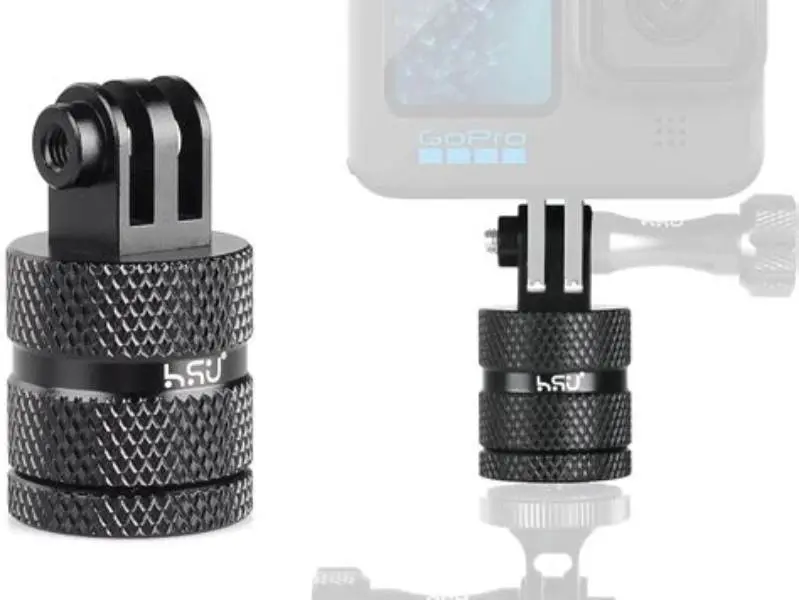
Adapters loosen mainly because vibration creates small cyclical loads that cause threaded connections to back off. Plastic threads are the most vulnerable, often deforming microscopically under repeated stress. This leads to a loss of preload tension, allowing the adapter to unscrew slowly during use.
The fit between the GoPro mount and the adapter's threads matters a lot. Loose fit threads (where there is any noticeable play by hand) usually loosen within 5-10 minutes of real-world bike or car vibration. Metal threads paired with nylon inserts reduce this risk by maintaining tension through material friction and slight deformation.
Another cause is insufficient preload torque when tightening. If you don’t reach about 2 Newton-meters (Nm) of torque, the clamp force is too low to resist the vibration forces, especially on bumpy roads or off-road trails.
Temperature and wear also degrade tightness. Plastic parts expand or contract, and wear creates play over time. This explains why some adapters hold initially but fail after weeks or months of rough use. There is more on how to install a ball mount in a separate guide.
How to test or verify adapter tightness before buying
Check if the adapter has metal threads with a nylon insert by inspecting product photos or descriptions. This design is proven to maintain clamp force. Avoid adapters that mention ‘plastic thread’ or don't specify materials.
Before purchase, test the adapter by hand (if possible). Screw it onto a GoPro mount or a standard 1/4 thread. If you feel any looseness or backlash (free movement when turned slightly back and forth), this adapter will loosen under vibration.
Aim for a product rated to handle at least 2 Nm torque. Use a small torque wrench if you own one to verify this rating yourself. Otherwise, the rule of thumb is to tighten until firm resistance without forcing the threads. Before you commit to anything, it is worth looking at keeping phone secure on arm.
If testing isn’t possible before buying, check customer Q&A or product questions for mentions of vibration loosening. This feedback is often the best practical indicator.
- 1. Attach adapter to a GoPro mount or 1/4 tripod screw.
- 2. Gently rock it side to side and back and forth.
- 3. Feel for any looseness or play in the threads.
- 4. If loose, avoid this adapter for vibration-heavy use.
Design features or materials that improve vibration resistance
Adapters with metal threads (usually steel or brass) combined with nylon locking inserts provide the best vibration resistance. The nylon slightly deforms to maintain tension and prevent self-loosening, known as a nylon lock nut effect.
Thicker threads with tighter pitch also reduce the chance of backing off. Fine threads might loosen easier under vibration because they require less torque and have less friction surface. We go through mount to stop phone bounce step by step elsewhere on the site.
Using metal bodies rather than plastic also improves stiffness and reduces flexing under load, which otherwise contributes to loosening.
Some adapters include additional features like rubber gaskets or O-rings that increase friction and dampen vibration. Others allow adding thread locker compounds (removable, medium strength) to secure threads further.
| Feature | Effectiveness | Trade-Off |
|---|---|---|
| Metal threads + nylon insert | High | Slightly more expensive |
| Plastic threads | Low | Low cost but loosens fast |
| Fine pitch threads | Medium | Easier to screw but loosens easier |
| Rubber gasket friction | Medium | Adds complexity, minor damping |
| Thread locker (adhesive) | High | Requires reapplication and care |
Secure your GoPro camera with an adapter that won’t loosen on bumpy rides or in vibrating vehicles.
What to do if your adapter loosens while riding or driving
If your adapter loosens during use, stop and check immediately to prevent drops. Re-tighten with the recommended torque of about 2-2.5 Nm.
Apply medium strength thread locker to the threads to prevent loosening if the adapter lacks a nylon insert. Use one removable type to avoid damage or permanent locking.
If re-tightening is impractical on the go, use temporary methods like a small zip-tie around the mount or rubber bands to damp vibration until you can repair properly.
Consider upgrading to an adapter with metal threads and a nylon locking insert as a permanent fix. Continual loosening damages your mount and can cause loss of gear.
Which GoPro to 1/4 adapter stays tight under bike and car vibration
The best adapters to stay tight under vibration have metal threads combined with a nylon locking insert and allow tightening to 2-2.5 Nm torque. These elements maintain preload and resist backing off over at least several hours of vibration.
Look for ‘metal screw with nylon insert’ or ‘nylon lock nut’ in product descriptions. This kind of adapter usually costs around what you expect for a mid-range mount accessory. Avoid cheaper all-plastic adapters for vibration-heavy uses.
If your situation includes extreme vibration (off-road biking, rally car use), consider adding thread locker or upgrading to a heavy-duty mount system designed for those conditions.
How to calculate and check your adapter preload torque
Torque is the rotational force used to tighten the adapter threads. The critical range for vibration resistance is between 2 and 2.5 newton-meters (Nm). Torque below this risks loosening, and torque much higher risks thread damage.
Without a torque wrench, you can feel torque by tightening until firm resistance without forcing the threads. Better is to use a small torque wrench calibrated in the 0-5 Nm range.
A typical consumer torque wrench or a bicycle torque wrench set can check this. Apply torque while the adapter is mounted and note the resistance when it stops turning easily. Aim for 2-2.5 Nm.
If you want to redo this calculation or verify product specs, look for advertised maximum torque rating or descriptions like “nylon insert lock nut” which imply this preload range.
- 1. Mount the adapter on the GoPro or 1/4 thread.
- 2. Use a torque wrench to tighten slowly until it reads 2 Nm.
- 3. Stop tightening once you reach 2-2.5 Nm to avoid damage.
- 4. Check after riding or driving to ensure it remains tight.
| Torque (Nm) | Effect | Recommended Use |
|---|---|---|
| < 1.5 | Likely loosening | No vibration or static mounts |
| 2 - 2.5 | Optimal tightness | Bike and car vibration mounts |
| > 3 | Risk of thread damage | Avoid, unless very heavy duty |
Metal-thread adapters with nylon locking inserts tightened to 2-2.5 Nm reliably resist bike and car vibration loosening.
FAQ
Can I use thread locker on any adapter to stop loosening?
You can, but only medium strength removable thread locker is recommended. It helps stop loosening but may complicate removal and requires reapplication after disassembly.
Are plastic thread adapters ever reliable for vibration use?
Plastic threads usually fail within minutes of vibration because they deform and lose preload. They can work for static or very light vibration but are not reliable for biking or driving.
How do I know if my adapter has a nylon locking insert?
Check product specs and photos for the mention of nylon inserts or lock nuts. Nylon inserts appear as a colored ring inside the threaded part and increase friction to resist loosening.
What torque should I use to tighten my GoPro to 1/4 adapter?
Aim for about 2 to 2.5 newton-meters. This is enough to secure the adapter without risking thread damage and is proven to resist typical vibration.
What if my adapter still loosens despite using a metal and nylon insert?
Check the preload torque is sufficient. If it still loosens, adding thread locker or using vibration damping mounts can help. Extreme vibration may require specialized mounts.