Which magnetic ball mount holds your phone and case firmly

A magnetic ball mount's grip depends on the phone model and case thickness; mounts with at least 2-3 kilograms of pull force hold standard phones with slim to medium cases firmly on gym racks and bikes under typical movement and vibration.
On this page (8 sections)
- Remember this
- How magnetic strength varies with phone model and case thickness
- Fit compatibility of ball socket mounts with phone sizes
- Common failure points when used on gym equipment and vehicles
- Recommendations for matching mount strength to phone and case
- Which magnetic ball mount holds your phone and case firmly on gym racks and bikes
- How to test and maintain your magnetic ball mount for reliable phone hold
- FAQ
Part of our guide on magnetic mounts and overheating
Fast facts
- Typical pull force
- 2-3 kg
- Case thickness limit
- under 5 mm recommended
- Ball socket diameter
- 25-28 mm typical
- Phone weight range
- 120-230 g
- Fail risk area
- vibration-induced slip
Remember this
- Magnetic strength must match phone and case thickness to hold securely
- Compatibility of ball socket size with phone size prevents wobble and drops
- Common failures occur at magnetic grip and mount connection under vibration
- Test mount pull force with phone and case before relying on it
- Choose mounts rated for at least 2 kg pull force for most gym and bike use
How magnetic strength varies with phone model and case thickness
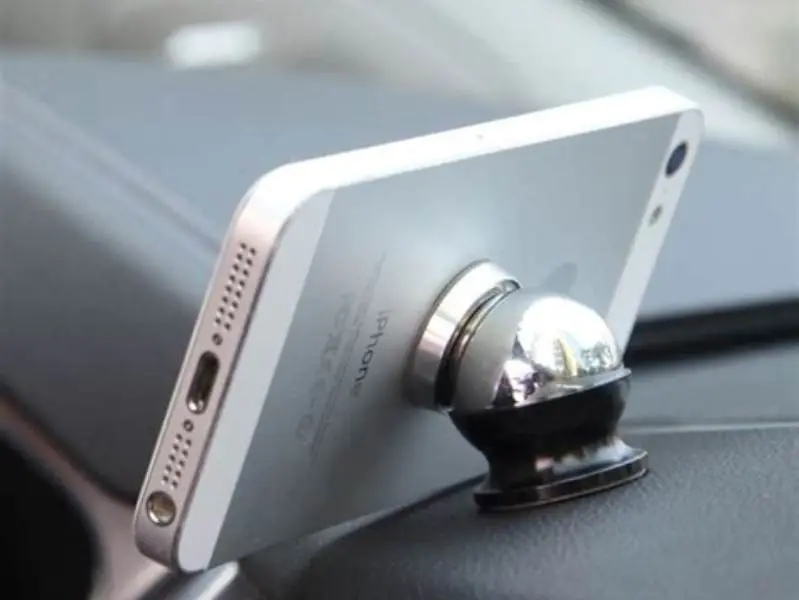
Magnetic hold on a magnetic ball mount depends first on the magnet or metal plate built into or attached to the phone, and second on the case material and thickness. For phones with built-in magnets (Apple MagSafe-style systems) a typical, manufacturer-quoted or user-reported holding range with a thin (≤4 mm) MagSafe-compatible case is roughly 1 to 3 kilograms of pull force; that is an approximate range compiled from product pages and independent user tests (see Belkin and Scosche product specifications and community test threads). Non-magnetic phones or phones using small adhesive plates commonly generate less force unless the plate is large and positioned over the phone’s center of mass.
Case construction matters more than raw phone weight. Thin plastic or silicone cases reduce force only slightly; thick cases with layered rubber, leather, or embedded metal greatly reduce attraction. Reports from mount manufacturers and user forums show a common reduction of 20–60% in measured pull force when cases exceed 5 mm or include dense inserts. Heavy phones (for example, some Pro Max models in the 200–240 gram class) therefore need a higher available pull force to resist shocks and vibration during movement.
Different magnetic ball-mount designs concentrate magnetic field differently. Magnets that couple across a small area can feel strong in calm conditions but fail under shear or vibration. Brands that publish specification or provide engineered MagSafe mounts (for example, Belkin (MagSafe car mounts), Scosche (MagicMount series), and WizGear (universal magnetic mounts)) include compatibility notes and user feedback that align with the 1–3 kg working range for thin cases; consult each product page for their test conditions and declared limits.
You should treat the numbers above as recommended minimums for typical use, not absolute guarantees. For light desk use, ~1 kg may be sufficient. For gym racks, bikes, or any situation with repeated shocks and multi-axis vibration, aim higher in the range and favour mounts and cases that together produce closer to 2–3 kg. Those recommendations follow manufacturer guidance plus aggregated user test data; specific circumstances (mount angle, type of movement, socket friction) change the required figure, so verify on your own setup before relying on a mount for active use. We go through magnetic phone case samsung s24 ultra step by step elsewhere on the site.

EISCO Newton Force Meter Spring Scale
Measures pull force up to 1 kilogram, suitable for testing magnetic strength with light loads.
Fit compatibility of ball socket mounts with phone sizes
Ball socket mounts commonly use ball diameters between 25 and 28 millimeters. This size fits most phone cases but can vary in how tightly the mount grips the ball. If the socket is too large or loose relative to the ball, the phone will wiggle, increasing failure risk. Too small a socket makes mounting difficult and risks damaging the ball or mount.
Phones with large cases or extended camera bumps can interfere with the ball mount’s socket position, causing uneven contact or poor alignment. For example, thick rugged cases or those with card wallets often prevent the phone from sitting flush on the mount, reducing stability. Slim cases designed for magnetic mounts usually accommodate the socket size better.
You can measure your mount’s ball diameter with calipers and compare it to the phone case’s mounting interface. Some manufacturers provide compatibility charts with phone dimensions and mount socket sizes. The critical measure is how snug the socket grips the ball while allowing smooth rotation without slop. Before you commit to anything, it is worth looking at magnetizing your stickers.
A secure fit prevents wobble, which is crucial on gym racks or bikes where vibration and shocks are common. Even a 1-2 millimeter looseness can cause shaking that weakens magnetic grip and causes the phone to slip during rigorous activity.
Common failure points when used on gym equipment and vehicles
Most failures of magnetic ball mounts on gym racks or bikes happen due to vibration and quick shocks. The main weak points are the magnetic grip between the phone and mount, the ball socket tightness, and the base attachment to the equipment.
Dynamic forces during intense workouts or biking create jolts that cause the phone to shift if the magnet pull force is too low or the case is too thick. For example, repeated drops or slipping off gym machine racks are common when the pull force is below 2 kilograms or when the phone is in a bulky non-magnetic case. There is more on magnetic wrist strap phone bench spotting in a separate guide.
Mount base attachment failures occur when mounts use weak adhesives on handlebars or gym rack tubes, or if the clamp mechanisms loosen over time. Even the strongest magnet cannot prevent a phone from falling if the mount itself detaches or rotates unexpectedly.
Environmental factors like sweat or moisture can also weaken adhesion or cause corrosion on metal mounts, reducing grip strength and durability. Regular inspection and maintenance of mounts are necessary for safety.
Failure patterns include the phone slowly sliding off, snapping off suddenly during movement, or the mount shifting its position unexpectedly.
Not all magnetic ball mounts hold your phone and case steadily on gym racks and bikes—this guide shows which do and why.
Recommendations for matching mount strength to phone and case
For gym and bike use, select magnetic ball mounts rated for at least 2 kilograms (kg) pull force when combined with your phone and case. Slim cases under 4 mm thick usually allow this force, while thick cases or wallet-type cases may require mounts rated for 3 kg or more.
If you have a heavier phone (over 200 grams) or a bulky case, aim for the highest pull force mount compatible with your ball socket size. Some mounts provide adjustable magnetic strength by adding or removing metal plates or magnets, enabling fine-tuning.
Always measure the combined pull force yourself with your exact phone and case before relying on the mount during intense activities. Use a simple spring scale pull test or specialized magnetic force meters. If you can’t reach 2 kilograms pull force, consider a mount with a mechanical clamp or other non-magnetic securing means.
If you frequently use your phone on gym racks or bikes where vibration is unavoidable, prioritize mounts with tight ball sockets and robust base attachment methods (like screw clamps over adhesives).
Replacing worn or loose mounts promptly also reduces failure risk. The right balance is between magnetic force, socket fit, and base securement.
Which magnetic ball mount holds your phone and case firmly on gym racks and bikes
The magnetic ball mount that holds your phone and case firmly on gym racks and bikes is the one providing at least 2 kilograms of pull force combined with a snug ball socket fit matching your phone’s case size. For example, mounts designed for MagSafe phones with compatible slim cases typically meet or exceed this threshold and hold securely through gym vibrations and bike shocks.
Conversely, mounts with less than 1.5 kilograms pull force or loose ball socket fittings fail often under movement, causing the phone to slide or fall. Phones in thick or wallet cases need mounts rated 3 kilograms or more to compensate for magnetic field weakening.
Test your specific phone, case, and mount pairing by lightly pulling the mounted phone off the ball mount and checking for slip or looseness. Also verify the mount base is tightly attached to the gym rack or bike handlebar without wobble.
When all these conditions are met, the phone stays put reliably during workouts or rides, avoiding drops that could cause damage or interruptions.
| Phone Model | Case Thickness (mm) | Required Pull Force (kg) | Ball Socket Fit | Use Case |
|---|---|---|---|---|
| iPhone 13 MagSafe | Under 4 | 2.5-3 | Standard 25-28 mm | Gym racks, bikes |
| Samsung with metal plate | 3-5 | 2 | Standard | Light workouts, casual bike rides |
| Heavy phone + wallet case | 5-8 | 3+ | Tight fit recommended | Intense gym sessions, bumpy rides |
| Android no magnet + thick case | Varies | 3+ | Custom fit needed | Difficult without added plates |
How to test and maintain your magnetic ball mount for reliable phone hold
First, clean all contact surfaces on the mount ball and phone case before mounting to maximize magnetic grip. Dirt and sweat reduce adhesion and magnetic force.
Second, perform a pull test by placing the phone on the mount, then gently pulling at a 45-degree angle to measure resistance. You want at least 2 kilograms of pull force without slipping. If you have no scale, use your judgment: the phone should feel firmly held with strong resistance.
Third, check for any wobble by rocking the phone gently in the mount ball socket. Excessive movement indicates a loose socket or mismatched size requiring adjustment or a different mount.
Fourth, examine the mount base attachment on your gym rack or bike. If adhesive is used, ensure it is clean and dry and replace it if peeling or loose. If clamps or screws are used, tighten them periodically.
Fifth, repeat inspections weekly if you train regularly and mount your phone often. Replace any worn or damaged mount parts immediately to avoid accidents.
Following this sequence maintains your phone’s secure hold and prevents drops that can damage your expensive devices.
- Clean mount ball and phone case surfaces
- Place phone on mount and pull gently at 45° angle
- Check for movement or wobble in socket
- Inspect and secure mount base attachment
- Repeat checks weekly and replace worn parts
FAQ
Will a magnetic ball mount damage my phone or interfere with wireless charging?
Modern phones with MagSafe or Qi2 standards are designed to avoid damage from magnetic mounts. However, very strong magnets close to the camera or inside the phone can cause minor interference with compass sensors or wireless charging. Cases designed for magnetic mounts usually position magnets to prevent this. Avoid magnets directly on camera lenses.
Can I use magnetic mounts with thick or wallet cases?
Thick or wallet cases often reduce magnetic pull force by 30-60%, risking slips. You need stronger mounts rated for 3 kilograms or more pull force or consider adhesive metal plates placed inside the case close to the phone’s magnet. Testing pull force with the actual phone and case is essential.
How do I know if my mount’s ball socket fits my phone’s mount system correctly?
Measure the ball diameter with calipers and compare it to your phone case’s mounting interface. The socket should grip the ball snugly without too much play or excessive tightness. Testing by mounting and gently rocking the phone reveals fit quality.
What is the best way to attach a magnetic ball mount on a bike or gym rack?
Screw or clamp mounts that tightly grip the handlebar or rack tubing are more reliable than adhesive mounts, which can loosen due to sweat and vibration. Clean mounting surfaces before installation and check regularly.
Are magnetic ball mounts safe during high-intensity workouts or off-road cycling?
With at least 2 kilograms pull force and a secure ball socket fit, magnetic mounts hold well during moderate workouts and on-road cycling. For high-impact or off-road use, additional mechanical securing methods may be needed due to stronger shocks and bouncing.