Will a bike pouch securely hold a Nokia 3310 4G during cycling rides?

Yes. The Nokia 3310 4G measures about 133 x 58.5 x 13.8 mm, well inside the 160 x 90 x 20 mm inner sleeve most top tube pouches offer. Buy one with a zippered or bungee-retained phone pocket and it stays put on rough roads.
On this page (8 sections)
- Remember this
- Fit check: Nokia 3310 4G size against common bike pouch sizes
- How pouches hold a phone when the bike moves
- Does the Nokia's shape affect how securely it fits?
- Picking a pouch: what clears the size and retention thresholds
- Two riders, two answers: sweat and vibration change the pick
- Fit it before you ride: a four-step check
- FAQ
Part of our guide on case for spin bike drops
Fast facts
- Phone dimensions
- 133 x 58.5 x 13.8 mm
- Phone weight
- 85 g with battery
- Minimum sleeve width
- 70 mm
- Minimum sleeve length
- 140 mm
- Minimum sleeve depth
- 16 mm
- Best closure
- zipper or bungee cinch
Remember this
- Phone is 133 x 58.5 x 13.8 mm and 85 g, smaller than a 6.5-inch smartphone pouch allowance
- Look for an internal phone sleeve, not a general storage pouch
- Zipper or bungee closures hold; open flap pockets do not
- Add 5 mm to width and 8 mm to length for case and seam allowance
- Fit the phone before the ride: it should resist a firm downward shake
Fit check: Nokia 3310 4G size against common bike pouch sizes
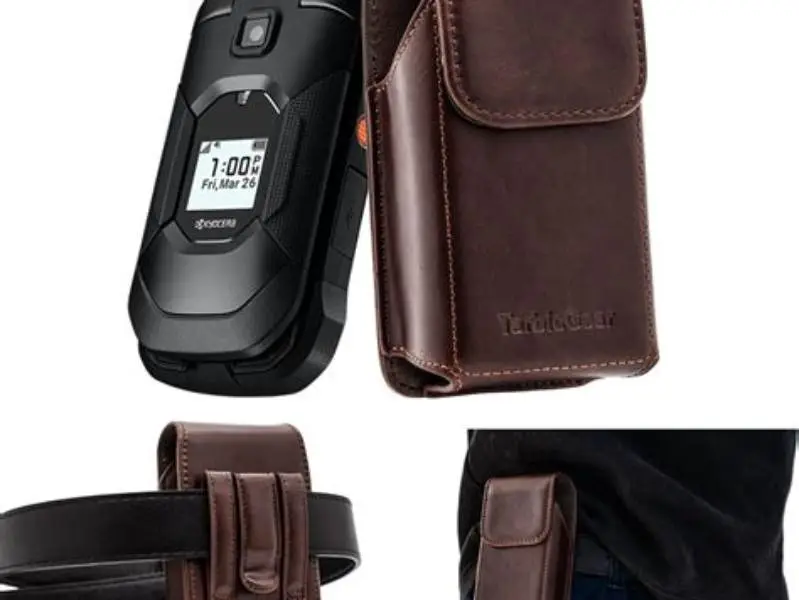
Start with the phone. The Nokia 3310 4G measures roughly 133 mm long, 58.5 mm wide and 13.8 mm thick, and weighs about 85 g with its battery in. Those are the only three figures the fit decision needs, and you can confirm them on the spec sheet or by putting a tape across your own handset.
Now the pouches. Top tube phone bags commonly advertise a phone allowance around 6 to 6.8 inches, which works out to an inner sleeve of roughly 160 to 170 mm long and 85 to 95 mm wide. Frame bags and saddle bags are usually larger than that, not smaller. The Nokia sits well inside both figures, with 25 mm or more of spare length and 30 mm of spare width in a typical sleeve.
That spare space is good news and bad news at once. Good, because nothing pinches and the zipper never fights the case. Bad, because a 58 mm phone in a 90 mm sleeve has room to slide and knock unless the pouch does something about it. That is the whole problem this page solves.
Check your own pouch, not a listing photo. Measure the inside of the phone pocket, length and width, and compare against 140 x 70 mm once you have a case on the phone. If the sleeve clears those numbers, the phone fits. For the detail, see our notes on phone holder for treadmill.
| Measure | Nokia 3310 4G | Typical top tube sleeve | Room left |
|---|---|---|---|
| Length | 133 mm | 160-170 mm | 27-37 mm |
| Width | 58.5 mm | 85-95 mm | 27-37 mm |
| Thickness | 13.8 mm | 15-25 mm | 1-11 mm |
| Weight | 85 g | no limit relevant | fine |
How pouches hold a phone when the bike moves
Pouches secure a phone three ways: a full zipper around the sleeve, an elastic or bungee cinch over the top, or a flap you press shut. Each behaves differently on a ride. A zipper closes the sleeve completely, so the phone cannot leave even if the pouch tips upside down. A bungee cinch pulls the opening down tight around whatever is inside, which works well only when the item is thick enough to stretch the cord.
The Nokia's problem is weight combined with slimness. At 85 g it is light, and at 13.8 mm thick it barely stretches a bungee. Vibration from rough pavement works it upward a few millimetres per bump, and after enough of them a loose flap pocket will let a light, narrow phone walk out. We have seen this exact failure with small feature phones and open pockets on gravel.
Suspension in the pouch matters less than people think. Foam lining damps rattling noise, and padding protects against a knock if the bike goes down. But padding does not stop movement inside the sleeve. Retention comes from the closure, always. If the listing says 'compatible with smartphones up to 6.8 inches', that tells you about size, not about holding. The other half of this decision is phone holder for motorcycle.
So the buying rule is simple. Buy a pouch whose phone pocket zips shut or cinches with a bungee over the phone, and treat open-flap designs as storage for gels and keys instead.
- Zipper sleeves hold any phone weight
- Foam lining quiets rattle
- Pouches keep phone away from sweat
- Bungee barely grips a 13.8 mm phone
- Flap pockets release light handsets
Does the Nokia's shape affect how securely it fits?
The 3310 4G is shaped like a modern smartphone's ancestor: a rounded slab with a keypad under a small screen. That shape is actually friendly to pouches. There are no camera bumps, no sharp corners, and the curved back slides into a sleeve without catching. A slab phone in a slab sleeve is the easiest case there is.
Two shape details still matter. The keypad means the phone does not need a touchscreen window, so you can pick a fully sealed, weather-resistant sleeve rather than one with a clear TPU front, and sealed designs hold better. And the micro USB port on the bottom sits low, so charging inside a closed sleeve means leaving the zipper partly open. That is fine at a cafe stop, not something to ride on.
Slimness is the one shape trait working against you, as covered above. If your sleeve is generous, fold a 5 mm foam wedge or wrap the phone in a thin neoprene sleeve to take up the slack. That costs nothing and turns a rattling fit into a firm one.
The trade-off you accept: with a sealed sleeve you check the screen at stops rather than mid-ride. For a handset this cheap and this rugged, that is a trade most riders are glad to make.
The Nokia 3310 4G weighs less than the energy bar most riders keep in a top tube bag, and that lightness is exactly what makes pouch retention hard.
Picking a pouch: what clears the size and retention thresholds
One figure decides the purchase: the inner sleeve width must reach 70 mm. We get there by adding the phone's 58.5 mm width to 5 mm for a case or wrap and 5 mm for seams and zipper bulk. Length needs about 140 mm and depth about 16 mm for the same reasons. Anything at or above those figures fits with the slack that needs cinching.
Sellers rarely print inner dimensions. They print outer dimensions in the specification block, and the 'fits phones up to X inches' line in the bullets. Work backwards: subtract about 15 mm from the outer length and width, then compare. If the maths is ambiguous, message the seller or measure at delivery. Keep the receipt until you have done the shake test.
Three pouch kinds cover the riders we meet, and they are alternatives to each other rather than a ranking.
| Figure | Phone alone | Added allowance | Threshold |
|---|---|---|---|
| Sleeve width | 58.5 mm | case 5 mm + seams 5 mm | 70 mm |
| Sleeve length | 133 mm | case 3 mm + seams 5 mm | 140 mm |
| Sleeve depth | 13.8 mm | seams 2 mm | 16 mm |
Two riders, two answers: sweat and vibration change the pick
Take the commuter first. Tarmac, twenty minutes each way, phone in the pouch for navigation beeps and nothing else. For this rider, almost any zippered top tube bag meeting the size threshold works. Vibration is mild, sweat is not reaching the frame bag, and the 3310 shrugs off everything short of a crash. Buy once, done.
Now the trainer. Spinning indoors, intervals on rough gravel, phone in the pouch through a hard hour. Here the failure mode is sweat wicking into the sleeve and vibration working a loose phone upward. This rider needs a sealed, water-resistant sleeve with a zipper and a cinch, foam lining, and the phone wrapped to take up slack. Wipe the phone after sessions; a damp keypad is how contacts corrode.
One memorable rule of thumb, stated once: light phone, tight pouch. A handset this light and slim relies entirely on the closure, so spend your attention there rather than on capacity or extra pockets.
Who this is wrong for: anyone wanting live navigation or workout apps on the handlebar. The 3310 4G's small screen and basic browser cannot do that, and no pouch fixes it. And if you use a rear bag as your phone home, vibration at the back of the bike is worse than at the front, so the retention standard gets stricter, not looser.
- Commuter: any zippered pouch works
- Trainer: sealed sleeve beats sweat
- 3310 tolerates knocks well
- No live app navigation possible
- Rear position needs stricter retention
Fit it before you ride: a four-step check
Do this in the hallway, not at the trailhead. It takes two minutes and it settles the retention question with your actual phone and pouch, not with a listing's claims.
- Slide the cased phone into the inner sleeve and note whether it rattles when you tilt the pouch.
- Close the pouch fully, then turn it upside down and give it one firm downward shake over a soft surface.
- If the phone moves more than a few millimetres, add a foam wedge or neoprene wrap and repeat the shake.
- Ride five minutes over the roughest surface you normally use, then stop and check the phone position. Adjust once, then trust it.
A zippered top tube pouch sized for 6.5-inch phones holds a Nokia 3310 4G securely once the slack is taken up; skip open flap pockets.
FAQ
Will a pouch made for 6.5-inch smartphones be too big for the Nokia?
It will fit, but with 30 mm of slack in the sleeve. Take up the slack with a foam wedge or neoprene wrap, and rely on the zipper or cinch for retention rather than the sleeve walls.
Can I charge the Nokia 3310 4G while it sits in the pouch?
Only if the pouch has a cable port or you leave the zipper partly open. The micro USB port sits on the bottom edge, so plan to charge at stops unless the listing shows a port.
Does vibration damage the phone itself?
A basic feature phone has no image stabilisation mechanism, so vibration cannot harm it the way it can a smartphone camera. The risk is to the pouch closure and to the phone rattling loose, not to the handset internals.
Is a magnetic flap pouch safe to use?
The small magnet in a pouch flap is harmless to the phone. The problem is mechanical: a flap alone rarely holds a light, slim handset under vibration. Use it only if the sleeve also zips or cinches.
Should I use a hard case on the 3310 for riding?
A thin silicone shell is enough. It adds about 2-3 mm of thickness, so recheck your sleeve depth against the 16 mm threshold. Anything heavier adds bulk without adding protection the phone needs.