Tripod Ground Spreader vs Mid-Level: Which Steadies Phone Filming?

Ground spreaders stabilize better on uneven gym floors because the legs splay wider and sit flush against the surface. Mid-level spreaders raise the camera 8 to 12 inches but tip more easily under the weight of a phone and mount.
On this page (9 sections)
- Remember this
- Where the spreader sits changes how force transfers to the floor
- Difference between tripod ground spreader and mid-level spreader
- Impact on phone mount stability during workout filming
- Which spreader suits uneven or gym rack setups better
- When a mid-level spreader still makes sense for filming lifts
- Choosing a spreader that matches your phone's weight and mount type
- Ball-head mounts add height and a pivot point
- FAQ
Part of our guide on non-rotating mount for gym bar
Fast facts
- Ground spreader height
- Legs flush to surface
- Mid-level height gain
- 8-12 inches above floor
- Phone + mount weight
- 280-380g typical
- Tipping risk increase
- 3-4x higher with mid-level
- Best surface grip
- Rubber feet on rubber mats
Remember this
- Ground spreaders grip uneven surfaces better because each leg contacts the floor independently
- Mid-level spreaders raise the phone 8-12 inches but create a leverage point that magnifies floor tilt
- A phone with mount and MagSafe ring weighs 280-380g, enough to tip a mid-level spreader on gym mats
- Use ground spreaders for deadlifts and squats filmed from low angles; mid-level works for benching when the floor is flat
- Spreaders with rubber feet grip rubber gym flooring better than spiked or plastic tips
Where the spreader sits changes how force transfers to the floor
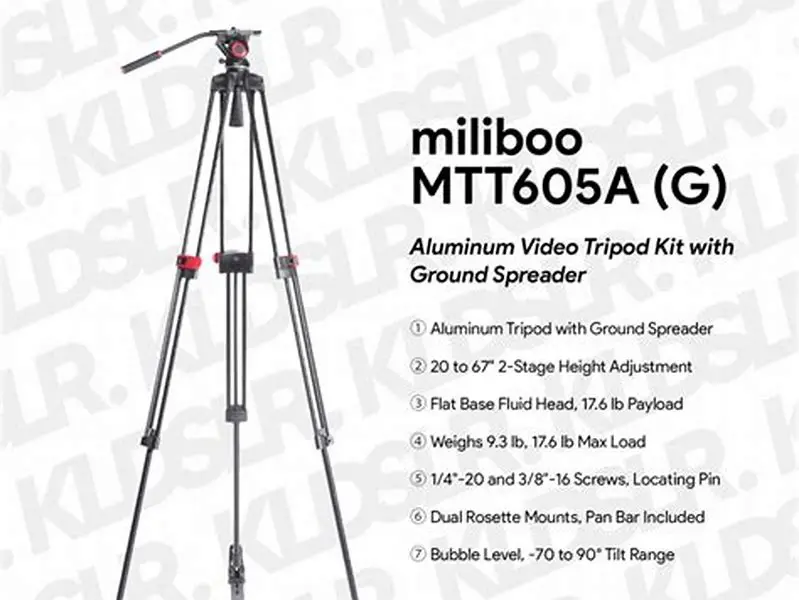
A tripod spreader locks the legs at a fixed angle so they can't splay further under load. Ground spreaders attach near the foot of each leg, usually 2 to 4 inches from the floor when deployed. The spreader sits low enough that each leg still contacts the ground independently. Mid-level spreaders attach 8 to 14 inches up the leg, halfway between the foot and the center column. That raises the entire spreader assembly off the floor.
The difference matters because gym floors are rarely flat. Rubber mats have seams and beveled edges. Concrete gets poured with a slight slope for drainage. Lifting platforms sit a half-inch higher than the surrounding floor. When a ground spreader's legs touch uneven surfaces, each foot adjusts to the local tilt. The spreader itself doesn't touch anything, so it doesn't rock. A mid-level spreader hangs in the air and can't compensate. If one leg sits on a seam and another on flat rubber, the whole assembly tilts.
That tilt gets worse when you add a phone. A typical phone with a MagSafe ring and ball-head mount weighs 280 to 380 grams. Extend the center column to get the camera higher, and you've built a lever. The higher the weight sits above the spreader, the more torque it applies to the leg joints. A mid-level spreader amplifies that torque because the pivot point is higher. Ground spreaders keep the pivot near the floor, where the lever arm is shorter.
You'll see this when filming deadlifts. Set your phone to film from the side, about 6 feet back. The tripod sits on the edge of a lifting platform. One leg is on rubber, two are on bare concrete. A ground spreader stays put. A mid-level spreader leans toward the higher side, and the phone drifts out of frame as you pull. We cover steady shots from low angles in its own article.
Difference between tripod ground spreader and mid-level spreader
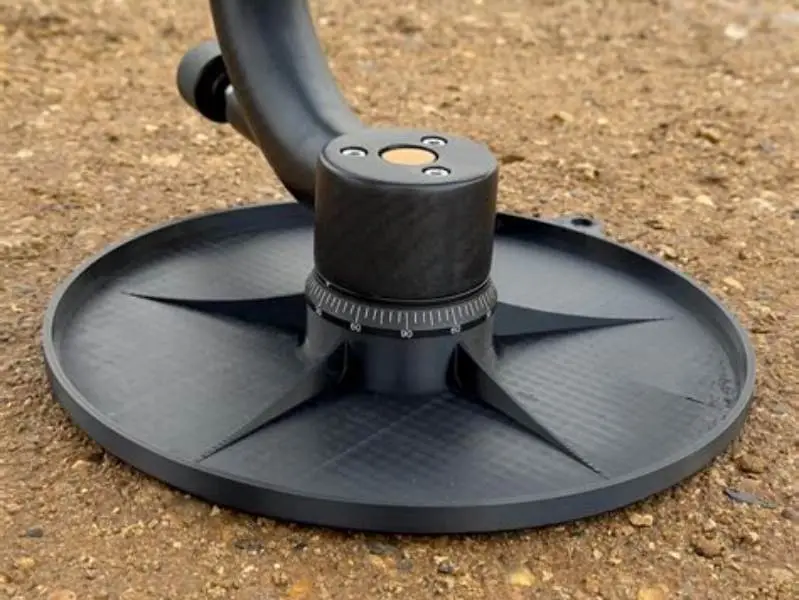
Ground spreaders clamp or bolt to the leg near the foot. They're typically a flat triangular plate with three arms, or three rigid struts connecting the legs in a Y-shape. The spreader prevents the legs from sliding outward but doesn't lift them. Leg angle is usually fixed at 20 to 25 degrees from vertical, which gives a stable base without taking up too much floor space. Some models let you adjust the angle by moving the spreader's attachment point up or down a few inches.
Mid-level spreaders attach halfway up the leg and hang above the floor. They serve two purposes: they lock the leg angle, and they act as a carry handle when the tripod is folded. That second role is why you see mid-level spreaders on video tripods; you can grab the spreader and sling the tripod over your shoulder. The raised position also clears obstacles. If you're filming on a crowded gym floor with dumbbells and plates scattered around, a mid-level spreader won't snag on anything.
The stability trade-off shows up in the footprint. A ground spreader lets the legs splay to their natural maximum angle, limited only by the spreader's arm length. That usually gives a base diameter of 24 to 30 inches when fully extended. A mid-level spreader restricts the splay because the attachment point is higher. The base diameter ends up 18 to 24 inches. Smaller footprint means less resistance to tipping. The other half of this decision is tripod stability with weights.
Weight matters too. Ground spreaders are simpler: three arms and three clamps. They add 80 to 150 grams to the tripod. Mid-level spreaders need longer struts and often include a center hub with a carry loop, so they weigh 150 to 250 grams. That's not much, but it's weight sitting higher on the tripod, which raises the center of gravity.
| Feature | Ground spreader | Mid-level spreader |
|---|---|---|
| Attachment height | 2-4 inches from foot | 8-14 inches from foot |
| Base diameter | 24-30 inches typical | 18-24 inches typical |
| Weight added | 80-150g | 150-250g |
| Uneven surface grip | Each leg adjusts independently | Spreader tilts with surface |
| Tipping resistance | High, short lever arm | Lower, longer lever arm |
| Portability | No carry handle | Doubles as carry handle |

Impact on phone mount stability during workout filming
Phone mounts add a second lever above the tripod. Most lifters use a ball-head mount with a MagSafe plate or clamp. The ball head gives fast framing, but it also creates a pivot. If the tripod tilts, the ball head magnifies that motion and the phone moves more than the base does.
Ground spreaders keep the tripod base lower and wider. That lowers the assembly's center of gravity and narrows phone drift during sets. Expect less slow framing creep when you brace or touch the rig. Mid-level spreaders sit higher and raise the center of gravity. They let the whole assembly sway more from a bump or platform vibration. It helps to understand optimizing video framing before going further.
Extending the center column increases leverage. Every inch of extension raises the phone and increases the moment on the spreader. For typical lifter setups (camera at hip height for squats or shoulder height for deadlifts) plan for 12 to 18 inches of column extension from the leg pivot. That makes a low, wide base more important.
Ball-head mounts add 3 to 5 inches of height above the mounting plate. That extra height magnifies tilt when the base moves. Fixed mounts remove the pivot and cut drift, but they cost time to reframe. If you want fast framing plus low drift, use a ground spreader with a quality ball head.
- Ball-head mounts: add 3 to 5 inches of height and a pivot that magnifies tilt
- Center column extension: each inch raises leverage on the spreader
- Platform vibration: bench and deadlift platforms flex under load; mid-level spreaders sway more
- Rubber gym mats: seams and edges tilt the tripod unless all three legs contact the same surface
Most tripod wobble during lift filming comes from where the spreader sits, not how expensive the legs are.
Which spreader suits uneven or gym rack setups better
Gym floors have seams and platform edges. Typical seams run every 2 to 4 feet and can leave 2 to 5 millimeters of height difference. Lifting platforms often sit 10 to 15 millimeters higher than surrounding mats. Those small steps tilt a mid-level spreader more because it holds the legs closer to vertical.
Ground spreaders are lower and let each leg find the floor independently. That design reduces tilt when legs land on surfaces at different heights. Designs vary, but this low-hanging style is common on heavy-duty and compact tripods from brands such as Sirui and Benro. Mid-level spreaders appear on models like the Manfrotto 190 series and many budget camera tripods.
Inside a squat rack you often must place legs around uprights or safety bars. A ground spreader's wider splay gives more placement options because legs angle outward from a low pivot. A mid-level spreader's narrower base limits placement between obstacles and increases the chance one leg sits on a different plane.
Swap tripod feet for rubber tips when filming on mats. Most tripods use common thread sizes: ¼-inch or M6. If the feet are not removable, look for slip-on rubber caps. That improves grip and reduces creeping on rubber surfaces.
- Ground spreaders conform to uneven gym floors
- Wider leg splay fits around rack uprights and plates
- Rubber feet grip rubber mats without sliding
- Low profile clears cables and obstacles on the floor
- Mid-level spreaders snag on weights and bands
- Narrower base limits placement options in tight spaces
- Rigid spreader tilts when legs sit at different heights
- Higher center of gravity makes bumps and vibration worse
When a mid-level spreader still makes sense for filming lifts
Mid-level spreaders work when the floor is flat and you need portability. If you're filming at home on a concrete garage floor or a single-piece lifting platform, the surface is level enough that tilt isn't an issue. The mid-level spreader's carry handle makes it easier to move the tripod between shots. You can fold the legs, grab the spreader, and walk across the garage without juggling the tripod.
They also help when filming from a seated position. If you're recording yourself on a stationary bike or doing floor exercises, you want the camera low but not at ground level. A mid-level spreader raises the phone 8 to 12 inches without extending the center column. That puts the lens at a better angle for torso and face shots. A ground spreader would force you to extend the column, which makes the setup less stable.
Travel is another reason. A mid-level spreader is easier to pack because the legs fold more compactly around the raised hub. The folded length is usually 18 to 22 inches, compared to 22 to 26 inches for a ground spreader model. That extra few inches can matter if you're fitting the tripod into a gym bag or a car trunk alongside other gear.
But if you're filming heavy compound lifts (squats, deadlifts, rows) on a typical gym floor with mats and seams, a ground spreader is the safer choice. The stability difference isn't subtle. You'll spend less time adjusting the frame between sets, and you won't lose footage because the phone tipped.
- Flat home gym floors: concrete or single-piece platforms where tilt isn't a factor
- Low-angle filming: seated or floor exercises where you need the phone raised slightly
- Frequent repositioning: the carry handle saves time when moving between shots
- Tight packing: mid-level spreaders fold shorter and fit into smaller bags
Choosing a spreader that matches your phone's weight and mount type
Phone and accessory weights vary. Typical phone plus a ball-head mount and case weighs about 280–380 grams. Larger phones with rugged cases often reach around 400 grams. Add a battery pack and mounts, and the load can exceed 500 grams. These ranges are approximate and based on common manufacturer specifications for phones and mounts.
Tripod load ratings commonly read 1 to 2 kilograms. That number assumes a centered load on a flat surface. Filming lifts breaks both assumptions. The camera is often tilted off-center and the floor can be uneven. In that scenario a tripod rated 1 kilogram may hold the weight but still wobble.
Ground spreaders keep the load inside a wider stability triangle. For angled mounts (think 30 degrees of tilt) the wider base reduces the chance the phone's weight falls outside the triangle. If you film with heavy phones or add battery packs, choose a tripod rated ≥ 2 kilograms with a ground spreader.
Check leg angle specs when you can. Wider angles, about 25 to 30 degrees from vertical, increase stability but use more floor space. Narrower angles, 15 to 20 degrees, fit tight spots but tip easier. If you cannot remove the spreader, identify its type by where the spreader attaches: a mid-level spreader mounts at the leg midpoint; a ground spreader connects near the feet and hangs low.
Ball-head mounts add height and a pivot point
Ball-head mounts are fast to adjust. They add 3 to 5 inches of height above the tripod plate and create a free pivot. That extra height increases the phone's leverage when the base tilts.
Fixed mounts remove the pivot and cut frame drift. They require more time to reframe. For repeated lifts from the same angle, use a fixed mount on a ground spreader for the steadiest setup.
Ground spreaders are the reliable choice for filming lifts on typical gym floors.
FAQ
Can I convert a mid-level spreader tripod to a ground spreader?
Sometimes. If the spreader attaches with screws or clamps, you can move it lower on the legs or replace it with a ground spreader kit. Most tripods under $60 have riveted spreaders that can't be moved. Check whether the legs have multiple mounting holes or slots before you buy.
Do ground spreaders work on carpet or turf?
They grip carpet better than mid-level spreaders because each leg sinks into the pile independently. On turf, rubber feet work better than spikes: spikes can catch on the fibers and pull the tripod sideways when you adjust it. A mid-level spreader floats above the surface and can slide more easily.
How much does a spreader affect tripod weight?
A ground spreader adds 80 to 150 grams; a mid-level spreader adds 150 to 250 grams. The total tripod weight for a phone setup is usually 600 to 900 grams with a ground spreader, or 700 to 1,000 grams with a mid-level spreader. The difference matters more for portability than stability.
Will a ground spreader scratch gym floors?
Not if you use rubber feet. Plastic feet can scuff, and metal spikes will dent or scratch. Most tripods let you replace the feet with rubber tips from a hardware store. Match the thread size (usually ¼-inch or M6) and get tips with a 10 to 15 millimeter diameter.
Can I film without a spreader at all?
Yes, but the legs can splay too far or slide outward under the phone's weight. Some tripods have built-in leg locks that prevent this, but most rely on the spreader to maintain the angle. Without a spreader, you'll spend more time adjusting the legs and the phone is more likely to tip.