Why does my magnetic mount slide on a snowboard and what to check

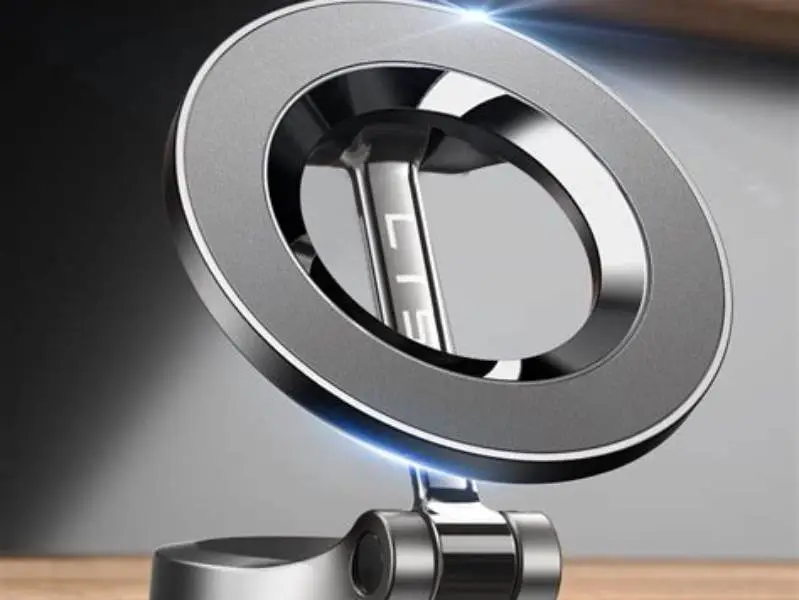
A magnetic mount slides because a snowboard topsheet usually contains no ferrous metal. The magnet has nothing to attract, so the mount only rests on the surface. Fit a steel plate using an adhesive specified for cold exposure, or choose a mechanical strap or clamp mount.
On this page (9 sections)
Part of our guide on galaxy s23 phone mount on kayak
Fast facts
- Topsheet material
- Usually non-ferrous plastic or composite
- Magnetic target
- An adhesive steel plate or suitable metal insert
- Best test
- Use the complete loaded mount after the adhesive cure period
- Mechanical option
- A strap or clamp that grips the board
- Adhesive choice
- Follow the tape maker's low-temperature and surface instructions
- Safety check
- Keep the mount away from bindings and rider contact points
Remember this
- A magnetic mount needs a ferrous target beneath it
- Snowboard topsheets are usually non-ferrous and provide no magnetic bond
- Wax, water, texture, flex and cold can weaken an adhesive plate
- Check the adhesive maker's data sheet before choosing tape
- Test the complete setup with the phone attached before riding
- Keep mounts clear of bindings, edges and places where a fall could injure you
Surface: why the magnet has nothing to grip
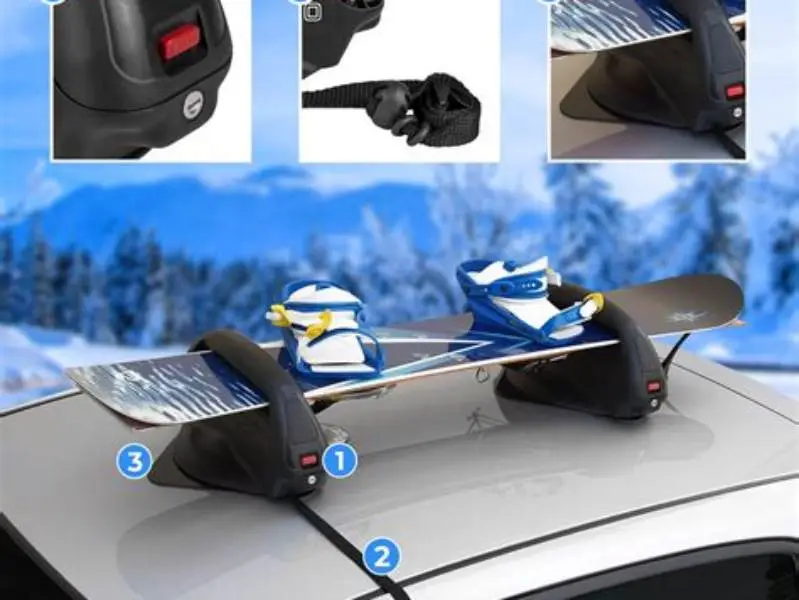
A magnetic phone mount needs ferrous metal beneath its magnet. A snowboard topsheet usually uses plastic, resin and fibreglass or similar composite materials. Those materials don't give the magnet a useful holding surface.
The mount can still feel heavy and secure in your hand. On the board, it only rests on the topsheet. Tilt the board or add vibration, and friction loses the fight.
Some board edges contain steel. They are narrow, curved and exposed to impacts. A mount sitting there has poor contact and an awkward load path. Treat the edge as an unsuitable test surface, not a proper mounting point.
Conditions: what weakens an adhesive plate
An adhesive plate changes the problem. The magnet can hold the plate, but the adhesive must hold the plate to the board. That bond depends on the product, surface preparation and temperature. For the detail, see our notes on kitesurfing phone holder with lanyard.
Adhesive performance varies by product. Check the manufacturer's low-temperature rating and use a product specified for sub-freezing exposure if you expect prolonged cold. 3M publishes application and temperature limits in its VHB technical data sheets, and those limits differ between products.
Wax, water and dirt reduce contact with the topsheet. Textured finishes also give the adhesive less continuous contact. Board flex adds repeated peel forces, especially near corners or a curved section.
Clean the surface as the tape maker directs. Don't assume any foam tape is suitable. Check the product data sheet for surface energy, application temperature, dwell time and final bond development. We go through hands-free phone mount for gym rack bars step by step elsewhere on the site.
Magnet size: what it can and cannot change
Magnet strength only matters after the mount has a suitable metal target. A strong magnet on bare plastic still slides. Its advertised pull figure does not describe performance on a snowboard topsheet.
A larger magnet array can spread load across a larger plate. It still won't prevent the plate adhesive from peeling. Magnet grades and pull figures depend on air gap, steel thickness and test setup. Compare them only with the manufacturer's test conditions.
You don't need a magnet grade for this decision. Check whether the plate matches the mount and whether the complete assembly stays attached under load. We go through keeping golf bag stand steady step by step elsewhere on the site.
| Situation | Does magnet strength matter? | Likely result |
|---|---|---|
| Magnet on bare topsheet | No useful magnetic target | The mount slides when tilted |
| Magnet on a steel edge | Some attraction, poor geometry | The mount can shift or detach |
| Magnet on an adhesive steel plate | Yes, if the plate bond holds | The magnetic connection can work |
Your mount may be fine. The snowboard simply gives its magnet nothing to hold.
Placement: where the load becomes a problem
Mount placement affects both grip and safety. A central area may flex during turns and sit under snow spray. An edge may offer metal, but it exposes the mount to impacts and gives it a poor contact angle.
Keep the mount away from binding hardware, straps and the rider's feet. Don't place it where it can catch clothing or alter how a binding releases. A loose phone is inconvenient. A rigid mount near a binding or contact point can create a fall hazard.
A mechanical mount uses friction and geometry instead of a bonded surface. That can suit filming setups, but every strap and clamp still needs clearance from bindings and moving parts.
- Choose a flat section with minimal flex
- Keep the mount clear of bindings and stance areas
- Avoid edges that can strike snow or obstacles
- Leave room for the phone to detach without trapping you
- Use a mechanical mount when the adhesive bond cannot be verified
Fixes: choose the setup you can test
An adhesive steel plate is the simplest route if you want quick magnetic attachment. Choose a plate and tape system with published data. Products in the 3M VHB range have separate technical sheets, so don't treat the VHB name as one universal temperature rating.
Follow the tape maker's cleaning, pressure and cure instructions. Apply the plate indoors if the instructions require a warmer application surface. Let the bond develop for the stated period before exposing it to cold or vibration.
A strap or clamp mount avoids the topsheet material problem. Many filming setups use mechanical grip for this reason. Check the clamp's fit, padding and release path before carrying a phone on the board.
A chest harness or armband removes the board from the mounting system. It also keeps the phone warmer and reduces the chance of losing it during a fall.
- Select a flat location away from bindings and foot contact
- Clean and dry the surface using the tape maker's instructions
- Apply the plate with the specified pressure and dwell time
- Wait through the manufacturer's stated cure period
- Attach the mount and phone before performing the load test
- Repeat the test after cold exposure if winter use is expected
Test: measure the hold before riding
Use the phone, case, mount and plate you plan to ride with. A bare-mount test proves little. Inspect the plate edges before every test. Stop if a corner lifts or the board surface starts to delaminate.
Place the board on carpet or grass. Secure one end so the board can tilt without dropping the phone onto a hard surface. Start with a shallow incline, then raise it gradually toward a steep slope. Hold each angle for at least one minute and watch for sliding, rotation or edge lift.
Add a practical shear test before the incline test. Keep the board level and attach a known weight to the mount in the direction the phone will pull. Use a load several times heavier than the device, if the mount and plate instructions permit it. Hold the load for one minute, then inspect the bond.
This is a home screening test, not a certified strength rating. Repeat it after the adhesive's cure period and after chilling the board to the expected riding condition. A failed test means use a mechanical or body-mounted option.
| Check | What passes | What fails |
|---|---|---|
| Surface | A plate or clamp provides the holding surface | The magnet rests on bare topsheet |
| Adhesive | Edges stay flat after curing and loading | Corners lift or the surface peels |
| Incline test | The loaded mount stays still during the timed test | The mount creeps, rotates or detaches |
| Shear test | The setup holds the chosen safety-margin load | The plate shifts or the tape stretches |
| Placement | No interference with bindings or rider movement | The mount can catch, strike or restrict movement |
Safety: know when not to mount a phone
Don't mount a camera or phone where it can interfere with binding operation, stance, straps or release movement. Check the board and binding maker's instructions before adding hardware. A mount must not create a new contact point during a fall.
Don't rely on a mount you can't inspect. Snow, vibration and impacts can hide a plate edge starting to peel. Use a tether only if the mount maker allows it and the tether cannot catch your body or equipment.
Cold affects batteries as well as adhesives. Many lithium-ion batteries lose capacity in cold conditions and some devices can shut down. Consult the phone maker's operating-temperature specification instead of relying on a general temperature number.
Keep the phone on your body between shots when conditions are severe. That protects the battery and gives the board less weight to carry.
Bare magnets slide on a non-ferrous topsheet. Use a tested adhesive plate or a mechanical mount, and keep it clear of bindings.
FAQ
Can I stick a magnetic mount directly to a snowboard topsheet?
Not reliably. The topsheet usually provides no ferrous target, so the magnet only rests on the surface. Use a properly specified adhesive steel plate or a mechanical mount.
Will the steel edge hold a magnetic mount?
It can attract the magnet, but the edge is narrow, curved and exposed. The contact geometry is poor, so don't rely on it for a phone or camera.
Does cold make a magnetic mount weaker?
Cold is usually more relevant to the adhesive and battery than the magnetic connection. Check the adhesive manufacturer's low-temperature data and your phone maker's operating-temperature specification.
What is a sensible mounting method for filming on a snowboard?
Many filming setups use strap or clamp mounts because they rely on mechanical grip. An adhesive steel plate can work when its product data, cure process and loaded test all check out.
How can I test the mount safely?
Use the loaded phone over carpet or grass. Tilt the board gradually and time each position, then perform a controlled shear test with a known load and a clear safety margin. Repeat after curing and cold exposure.