Which water bottle cage mount fits your bike type and installation style

Water bottle cage mounts fit most bikes via two M5 threaded holes in the frame; gravel bikes favor double or side mounts for stability. No-drill options exist but require strong clamps or adapters to hold securely.
On this page (8 sections)
- Remember this
- Which water bottle cage mount fits your bike type and installation style
- Best gravel bike water bottle cage
- Can you install a bike water bottle cage without drilling holes
- Differences between side mount, seat mount, and double water bottle cages
- How to install a water bottle cage mount without drilling
- Choosing the right water bottle cage mount for your riding needs
- FAQ
Part of our guide on best mounts for running with phone
Fast facts
- Standard mount spacing
- 64mm
- Bolt size
- M5 x 0.8
- Gravel bike mounts
- side or double
- No-drill mounts
- clamp-on style
- Seat post mount diameter
- 25-31.8mm
Remember this
- Standard bikes use two
M5threaded holes for cage mounting. - Gravel bikes benefit from double or side mounts for rough terrain.
- No-drill mounts clamp firmly but may need periodic tightening.
- Seat post mounts suit smaller bottles or backup hydration.
- Choose cage type based on bottle size, bike frame, and terrain.
Which water bottle cage mount fits your bike type and installation style
Most bicycles come with two threaded holes spaced 64mm apart on the down tube or seat tube. These hold an M5 bolt water bottle cage mount, the most common and secure method for attaching a bottle cage. Road, mountain, hybrid, and many gravel bikes use this standard mount.
Gravel bikes often need mounts accommodating rough terrain, such as side mounts that keep bottles accessible even with frame bags, or double mounts that hold two bottles simultaneously. Side mounts attach to the frame with two bolts but position the cage offset for easier reach and clearance.
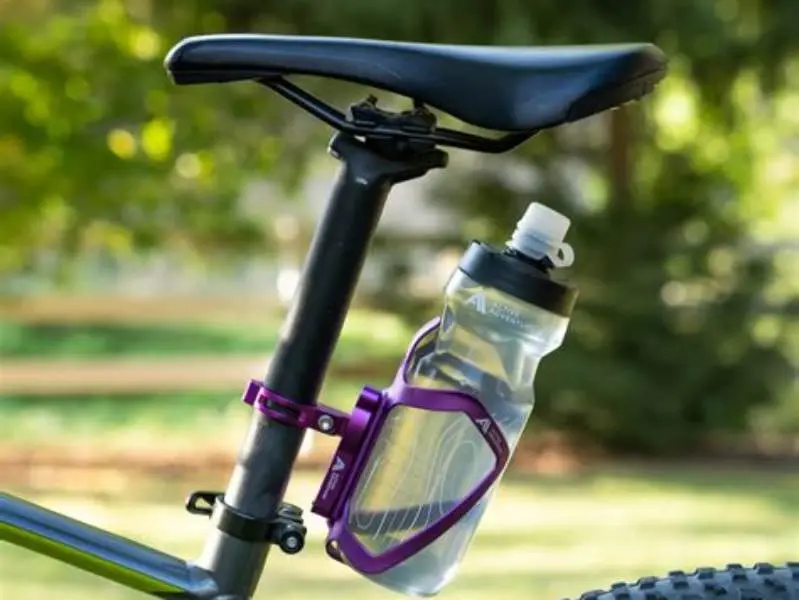
Seat post mounts clamp around the seat post, offering installation without frame holes. These suits smaller bottles, emergency hydration, or riders preferring minimal frame holes. However, they rarely match the stability of frame mounts on rough rides.
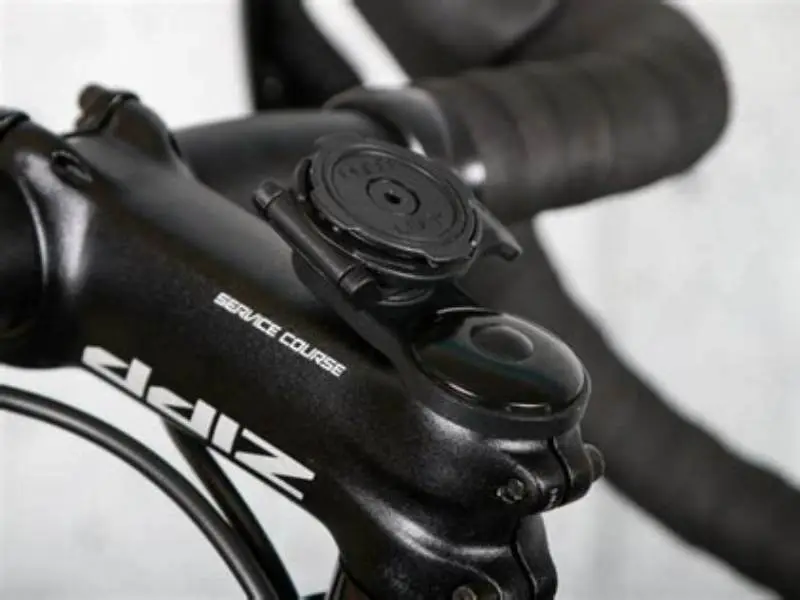
No-drill options include clamp-on mounts and velcro straps, though these risk loosening on bumpy rides. Their reliability depends on secure clamping force and periodic checks. If you want no-damage installation, a clamp-on mount with a strong rubber or silicone interface is essential. If that sounds like your situation, read up on quad lock stem cap mount for road bike next.
Determining your bike’s frame, bottle size, and usual terrain will guide the best mount choice. Use a digital caliper or ruler to measure frame tube diameters and hole spacing before buying. Knowing your bottle's diameter is also key to avoid cage slippage.
| Mount Type | Bike Type Suitability | Installation Method | Bottle Size Compatibility | Security on Rough Terrain |
|---|---|---|---|---|
| Standard frame mount | Road, mountain, hybrid, gravel | Two M5 bolts in frame holes | Most sizes | High |
| Side mount | Gravel, touring | Two frame bolts, offset cage | Medium to large | Very high |
| Double mount | Gravel, mountain | Two sets of frame bolts or adapter | Two bottles | Very high |
| Seat post mount | All bikes without frame holes | Clamp on seat post | Small to medium | Medium |
| No-drill clamp mount | Temporary, various bikes | Clamp around frame or tube | Varies | Low to medium |
Best gravel bike water bottle cage
Gravel bikes face rough terrain, so bottle cages must securely hold larger bottles without rattling or risk of loss. Side mounts with offset cages are favored because they allow placing the bottle where frame bags or suspension don’t interfere.
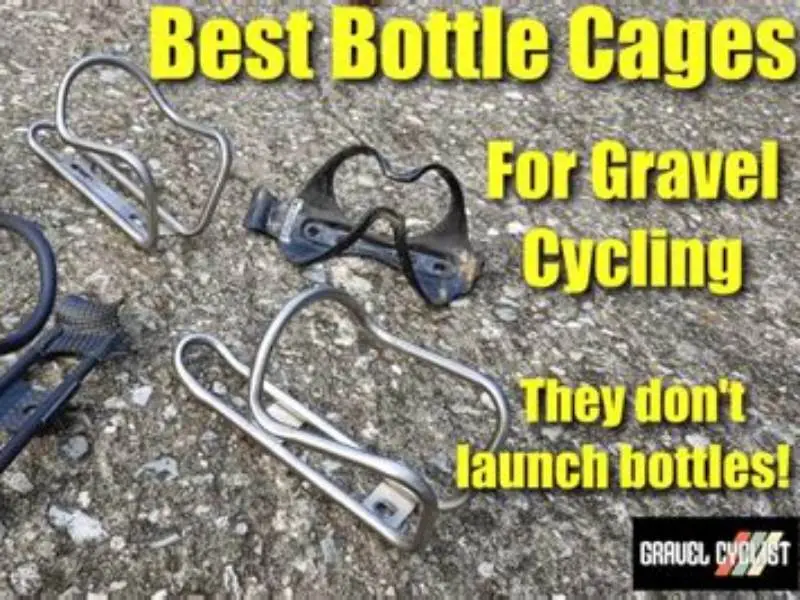
Double mounts are also popular on gravel bikes. They provide enough hydration for long rides and serve as extra storage options. Installing two cages on the down tube or adding an under-down tube mount spreads weight and keeps bottles accessible. The other half of this decision is best bottle cages for gravel bikes.
Material matters: aluminum and carbon cages provide light weight and stiffness but can be brittle. Stainless steel or reinforced nylon cages absorb shocks better. For gravel, a cage that grips the bottle tightly (with rubber inserts or a secure clasp) is best to prevent bouncing.
If your gravel frame has fewer mounting holes, adapters or clamp mounts become necessary. These adapters bolt into existing mounts to add extra cage positions or shift a mount laterally to clear bags or suspension parts.
| Option | Stability | Weight | Ease of Access | Compatibility |
|---|---|---|---|---|
| Side mount | High | Light-medium | Easy | Requires frame bolts |
| Double mount | Very high | Medium | Easy | Needs adapter or multiple mounts |
| Clamp-on adapter | Medium | Medium | Moderate | Universal but less secure |
| Standard frame mount | High | Light | Standard | May conflict with bags |

Digital Caliper Measuring Tool
Provides accuracy ±0.02 mm which is within the required 0.1 mm for precise bike frame or seat post measurement
Can you install a bike water bottle cage without drilling holes
Installing a water bottle cage without drilling is possible using clamp mounts that fit around a frame tube or seat post. These clamp mounts rely on strong clamps with rubber inserts to protect the frame and hold the cage firmly. We cover flexible gooseneck phone holder clamp problems in its own article.
No-drill mounts suit riders with carbon frames or rental bikes where modifying the frame is impossible. However, clamp mounts vary widely in how securely they hold on bumpy rides; frequent inspection is needed to prevent loosening.
Velcro straps or adhesive mounts offer alternative no-drill solutions but provide less stability. Magnetic mounts exist but require compatible bottle hardware and rarely hold up to off-road vibrations.
The key is measuring your frame tube diameter accurately to ensure the clamp mount fits snugly. Tube sizes commonly range from 25mm on seat posts to 30-40mm on down tubes. A poor fit reduces mounting security and increases bottle loss risk. For the detail, see our notes on installing a ball mount.
- Clamp mounts: use strong clamps with rubber padding, check tightness regularly
- Velcro mounts: best for infrequent use, low security
- Adhesive mounts: limited reliability, suitable only for smooth rides
- Magnetic mounts: require matching bottle parts, weak on rough terrain
Match your bike type and riding style with the right water bottle cage mount, including non-drill options for secure, versatile hydration.
Differences between side mount, seat mount, and double water bottle cages
Side mounts attach to two threaded frame holes like standard cages but position the cage off to the side, usually on the seat tube’s non-drive side. This design allows clearance for frame bags, suspension components, or larger tires, common on gravel and mountain bikes.
Seat mounts clamp around the seat post, typically sized for diameters between 25 and 31.8mm. They don’t require frame holes and suit smaller bottles or emergency hydration. Seat mounts can be less stable and more prone to vibration and bottle rattling.
Double mounts provide two cages either stacked vertically on the down tube or side by side (using adapters). This is ideal for long-distance riders who carry two bottles or mix hydration with fuel storage. They require specific frame mounts or compatible adapters.
Each mount type trades security and convenience differently. Side mounts provide frame-level security with clearance but need compatible holes. Seat mounts offer versatility but less security. Double mounts increase capacity but add weight and complexity.
| Mount Type | Installation | Bottle Capacity | Frame Compatibility | Security |
|---|---|---|---|---|
| Side mount | Two frame bolts, offset | One | Frames with holes and clearance | High |
| Seat mount | Clamp on seat post | One small to medium | Any bike seat post diameter | Medium |
| Double mount | Two sets of frame holes or adapter | Two | Frames with multiple mounts or adapters | Very high |
How to install a water bottle cage mount without drilling
Installing a no-drill water bottle cage mount involves choosing a clamp mount sized to your frame tube or seat post diameter, cleaning the mounting area, and tightening the clamp securely with included bolts or screws.
First, measure the tube diameter accurately with a caliper or tape measure. Clamp mounts usually specify a diameter range, such as 25-31.8mm for seat posts or 28-34mm for down tubes.
Next, clean the frame surface to remove dirt and grease. This helps the rubber padding grip without slipping. Place the clamp mount on the tube, making sure it sits straight and doesn’t interfere with cables or brake lines.
Use the smallest hex wrench or Allen key provided to tighten bolts evenly. Avoid overtightening to prevent damage to the frame or seat post. Check the mount’s stability by applying downward and side pressure. Adjust as needed.
Insert the bottle cage onto the clamp’s mounting points and tighten its bolts. Test with your bottle to ensure a snug fit, shake the bike to check security, and make adjustments before every ride.
- Measure frame tube or seat post diameter accurately.
- Select clamp mount compatible with measured diameter.
- Clean the mounting surface thoroughly.
- Position clamp evenly and avoid interference.
- Tighten bolts evenly without overtightening.
- Attach bottle cage to clamp and secure bolts.
- Test fit with bottle and adjust as necessary.
Choosing the right water bottle cage mount for your riding needs
Your choice depends on your bike type, terrain, bottle size, and whether you want permanent or temporary installation. Road and mountain bikes typically rely on standard frame mounts with M5 bolts for stability and simplicity.
If you ride gravel or touring with multiple bottles and accessories, side mounts or double mounts offer versatility and increase hydration capacity. These mounts help when frame bags or suspension restrict normal cage placement.
When frame holes aren’t available or you want a no-damage solution, seat post or clamp mounts deliver installation without drilling. They work well for light off-road or urban rides but require regular maintenance to prevent loosening.
Always consider bottle cage material and shape, matching them to your bottle diameter to avoid rattling or slipping. Adding rubber inserts or silicone sleeves inside cages improves grip on rough terrain.
Measure your frame, think about your most common rides, and select a mount type balancing security and convenience. For no-drill installs, a clamp mount with rubber padding and exact tube fit is essential.
FAQ
Can I use a seat post mount on any bike?
Seat post mounts fit most bikes but depend on your seat post diameter, usually between 25 and 31.8mm. Measure your specific seat post before buying to ensure a secure fit.
Are no-drill clamp mounts reliable for mountain biking?
Clamp mounts can work for light trail use but are less secure on rough terrain compared to frame mounts. Regular tightening and inspection are critical to prevent bottle loss.
What size bolts do I need for a standard water bottle cage?
Standard cages use two M5 bolts spaced 64mm apart. Replace bolts with those of proper length if your frame design or cage thickness varies.
Can I install two water bottle cages on a gravel bike?
Yes, gravel bikes often support double mounts either via two sets of frame holes or adapters. This setup is ideal for long rides requiring more hydration.
How do I prevent a bottle from rattling in the cage on rough rides?
Use cages with rubber or silicone inserts that grip the bottle more firmly, or add a silicone sleeve to your bottle to reduce movement and noise.