How much a phone tripod costs for filming workouts and gym use

A phone tripod for filming workouts costs $12 to $25 for a basic tabletop model, $25 to $40 for a full-height adjustable tripod with a phone holder, and $40 to $60 for magnetic mount tripods or heavy models built for gym floors.
On this page (8 sections)
- Remember this
- What phone tripods cost by height and build
- Typical price ranges of phone tripods for gym use
- Factors influencing tripod cost for workout filming
- Which tripod features affect price for workout filming
- How tripod stability affects what you spend
- When to spend more and when a cheap tripod is fine
- FAQ
Part of our guide on mount stability during heavy vibration
Fast facts
- Tabletop models
- $12 to $25
- Full-height adjustable
- $25 to $40
- Magnetic mount tripods
- $40 to $60
- Minimum stable weight
- 1.5 pounds with phone
- Height for squat angle
- 48 to 60 inches
- Flexible leg models
- $30 to $45
Remember this
- Basic tabletop tripods ($12-$25) work for bench press and floor exercises but lack the height for squat or deadlift angles
- Full-height tripods ($25-$40) reach 50-60 inches and handle all lift angles, but cheap ball heads drift under phone weight
- Magnetic tripods ($40-$60) let you mount and dismount in seconds without fumbling with clamps between sets
- A tripod under 1.5 pounds will tip on gym mats when you bump it, especially with a phone in a heavy case
- Flexible leg tripods grip rack uprights and bench frames but cost $30-$45 and still need a stable surface for deadlifts
What phone tripods cost by height and build
Tabletop tripods with phone clamps sell for $12 to $25 and extend 8 to 12 inches off the ground. They work for filming bench press, floor exercises, or close-up form checks where the camera sits on a bench or box. You'll find aluminium legs, a plastic ball head, and a spring-loaded phone holder that fits devices up to 3.5 inches wide. These tripods weigh under a pound and fold flat, so they fit in a gym bag without taking up much room.
Full-height tripods with adjustable legs run $25 to $40 and extend from 18 inches collapsed to 50 or 60 inches at full height. That reach puts the camera at mid-torso level for squats and deadlifts when the tripod sits on the floor 6 to 10 feet from the rack. The legs lock with flip clips or twist collars, and the phone holder mounts to a standard ball head. Cheaper models use thin aluminium tubing and a lightweight head that drifts when you tighten the phone holder, so you end up adjusting the angle twice.
Magnetic tripods cost $40 to $60 and combine a standard tripod base with a MagSafe or Qi2 magnetic mount instead of a clamp. You snap the phone on in under two seconds and pull it off without loosening anything. The magnetic surface holds 600 to 1,400 grams depending on the ring strength, enough for any phone and most cases. These tripods usually ship with heavier legs and a sturdier centre column because the target buyer wants a setup that survives being knocked during a set.
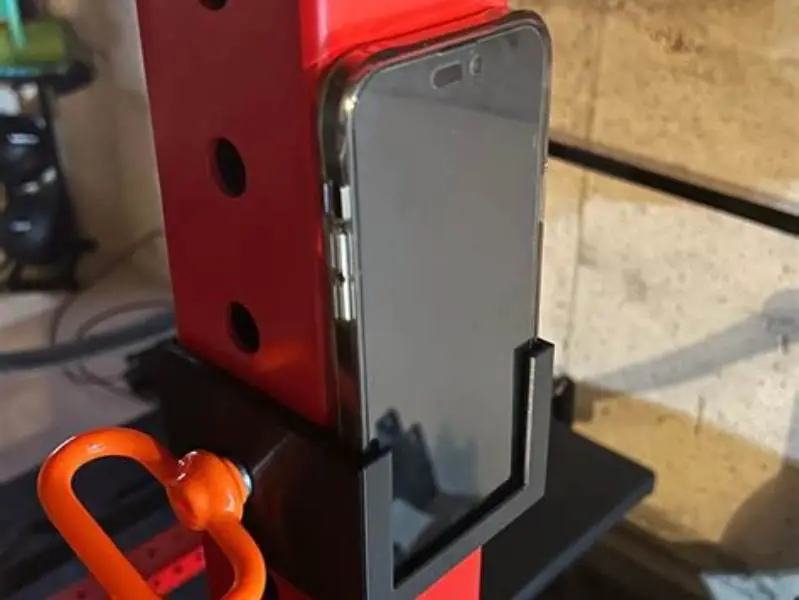
Flexible-leg tripods with bendable foam joints sell for $30 to $45 and wrap around rack uprights, bench frames, or pull-up bars. The legs grip irregular shapes, so you can mount the phone on the rack itself instead of setting a tripod on the floor. Each leg bends independently and holds position under phone weight, but the foam compresses over time and loses grip. These tripods work well in tight spaces or on uneven gym mats where a standard tripod would tip, but they still need a stable anchor point and won't stand freely for deadlift angles. There is more on phone tripod height extender for overhead rig in a separate guide.
Typical price ranges of phone tripods for gym use
How much does a tripod cost. A phone tripod for filming workouts runs from $12 to $70 depending on size and build. Basic tabletop models sit in the $12 to $18 band. They use thin plastic, extend 6 to 10 inches, fit phones up to 3.2 inches wide, and weigh 4 to 8 oz.
Branded small tripods and compact full-height models cost $18 to $30. Full-height units in this band reach 42 to 52 inches and weigh 12 to 20 oz. They use aluminium legs and lever-lock heads that hold angle better than twist collars. Phone clamps fit cases up to 3.5 inches wide.
Mid-range tripods at $30 to $50 include reinforced legs, magnetic mounts, and flexible-leg designs. Standard models extend to 60 inches and weigh 1.5 to 2.5 lb. Magnetic mounts in this band hold 600 to 1,000 grams. Heavy-duty gym tripods at $50 to $70 use steel centre columns, rubber feet, and magnets rated 1,200 to 1,400 grams. They weigh 3 to 4 lb and resist kicks. For the detail, see our notes on phone tripod for workout filming.
| Price range | Height range | Weight | Best for |
|---|---|---|---|
| $12 to $18 | 6 to 10 inches | 4 to 8 oz | Bench press, testing the idea |
| $18 to $30 | 18 to 52 inches | 12 to 20 oz | Squat and deadlift on stable floors |
| $30 to $50 | Up to 60 inches | 1.5 to 2.5 lb | Magnetic mounts, flexible legs, gym mats |
| $50 to $70 | Up to 65 inches | 3 to 4 lb | Heavy use, oversized cases, Bluetooth remote |

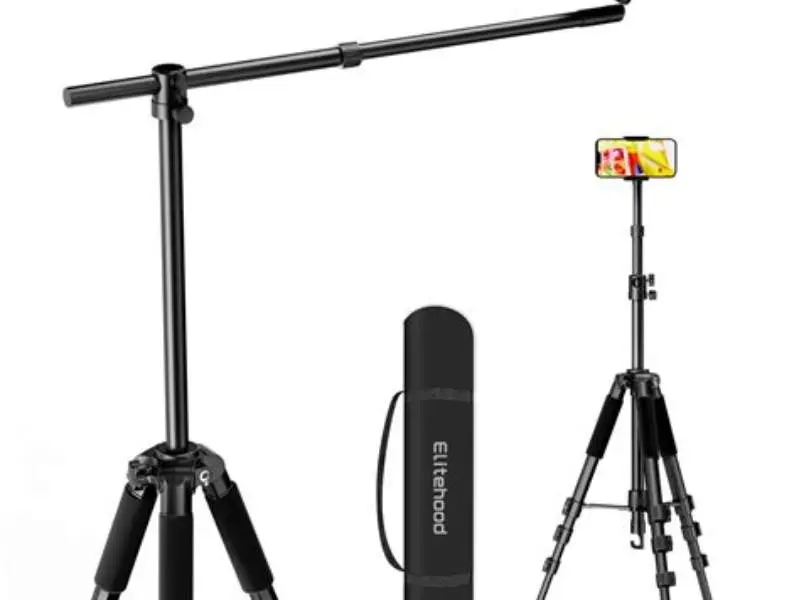
SIRUI Tripod for Camera, 60" Aluminum with Phone Holder and Travel Bag, Phone
Captures squat and deadlift angles from the floor without tipping on gym mats with 60.6 inch max height and weighs 2.755778275 pounds
Factors influencing tripod cost for workout filming
Height is the first cost driver. A tripod that extends to 50 inches or more needs longer leg sections, a taller centre column, and more joints, which adds material and assembly cost. Short tabletop models use three to four inches of aluminium tubing per leg, while full-height versions use 16 to 20 inches per section across three or four sections. The extra length also increases flex, so manufacturers use thicker tubing or add cross-bracing to keep the tripod rigid when extended, which raises the price another $5 to $10.
Weight and stability push cost up because heavier tripods need denser materials. A tripod that weighs under one pound will tip on a gym mat if the phone sits off-centre or someone bumps the leg. Models that weigh 1.5 to 2 pounds stay planted but cost more because they use thicker aluminium, steel hardware, or a sand-fillable centre column. Rubberised feet with wide contact patches add another $3 to $5 but prevent sliding on smooth floors and keep the tripod from walking during a set.
The phone mounting system drives a lot of the price variation. A spring-loaded clamp costs $2 to $4 to manufacture and works with any phone, but you spend 10 to 15 seconds adjusting it between sets. A magnetic mount adds $15 to $25 to the tripod price because it includes neodymium magnets, a machined metal plate, and alignment features to keep the phone centred. Magnetic mounts also need stronger ball heads to support the cantilevered weight of a phone held 1 to 2 inches from the mount surface, which adds another $5 to $8 in hardware cost. For the detail, see our notes on using a camera tripod.
Build quality separates budget tripods from ones that last. Cheap ball heads use a single friction washer that compresses over time, so the head sags under phone weight after 20 to 30 uses. Better heads use a lever-lock mechanism with a metal cam that doesn't degrade, adding $6 to $10 to the cost. Leg locks follow the same pattern: twist collars wear out in a few months, while flip clips and lever locks hold tension longer. A tripod with metal clips and a lever-lock head costs $8 to $12 more than one with all-plastic hardware, but you won't replace it after three months.
Most tripod guides ignore the features that actually matter when you're filming squats in a crowded gym or setting up alone between sets.
Which tripod features affect price for workout filming
Magnetic mounts increase price by $15 to $30. MagSafe and Qi2 mounts use a ring of magnets to align with a phone or case. Holding force ranges from 600 grams for basic mounts to 1,400 grams for reinforced ones.
Bluetooth remotes and timers add $8 to $15. Remotes trigger the shutter from 30 ft. Timers with LED countdowns save you from walking back to the rack.
Flexible legs add $10 to $20. They use 12 to 20 ball-and-socket joints and thicker foam. Foam degrades after 6 to 12 months with heavy use. Rotating phone holders cost $4 to $8 and rotate 90 degrees in 3 to 5 seconds without detaching the phone.
- Magnetic mount: adds $15 to $30, one-hand attachment, no clamp adjustments between sets
- Bluetooth remote: adds $8 to $15, starts recording from 30 feet, avoids the walk-back edit
- Flexible legs: add $10 to $20, wrap around racks and benches, foam wears out in 6-12 months
- Rotating holder: adds $4 to $8, switches portrait and landscape without detaching the phone
How tripod stability affects what you spend
Tripod weight strongly affects stability on gym floors. Models under 1.5 lb with a phone mounted will tip on foam mats or rubberised platforms. Cheap tripods at 8 to 12 oz use thin tubing and fall over when someone drops a weight nearby.
Spend $25 to $40 and get a tripod that weighs 1.5 to 2.5 lb. It stays planted on soft surfaces. Models over 3 lb resist kicks and cost $45 to $65.
Leg spread matters more than raw weight. A wide footprint with legs 12 to 15 inches from the centre resists tipping but uses floor space. Compact leg spreads of 8 to 10 inches fit tight spots but tip when the phone moves off-centre.
When to spend more and when a cheap tripod is fine
A $12 to $20 tabletop tripod works if you film bench press or accessory moves from a solid surface 2 to 4 ft away. The low height and light weight do not matter when the tripod sits on a bench and you do not move it between sets.
Spend $25 to $40 if you film main lifts and need angles from mid-shin to shoulder height. Choose a model that extends to at least 50 inches and weighs 1.5 lb or more. Test the ball head by tilting a mounted phone down 45 degrees; if it sags, return the tripod.
Magnetic tripods at $40 to $60 suit shared gear or multiple angles per session. A magnet mount saves 8 to 10 seconds per mount versus a clamp. Factor $15 to $25 for a magnetic ring or case if your phone lacks built-in magnets. Flexible-leg tripods at $30 to $45 help when you mount to a rack upright.
FAQ
Do I need a tripod with a remote, or can I just use the phone timer?
The phone timer works fine for single-angle filming. Set a 10-second countdown, press start, and get into position. A Bluetooth remote makes sense if you film multiple angles in one session and don't want to walk back to the phone between sets, but it's not essential. Most people use the timer for months before deciding whether a remote is worth the extra $10 to $15.
Will a magnetic tripod work with my phone case?
A magnetic tripod needs a MagSafe or Qi2 compatible phone or case. iPhones from the 12 series onward have built-in magnets. Android phones need a magnetic ring or case attached to the back. Thick cases over 5mm can weaken the magnetic hold, so test it with your case before relying on it at the gym. A good magnetic mount holds 600 grams minimum, enough for any phone and most cases.
How tall does a tripod need to be for filming squats and deadlifts?
A tripod that extends to 50 to 60 inches puts the camera at mid-torso height when placed 6 to 10 feet from the rack, which captures your full body and bar path. Shorter tripods work if you elevate them on a bench or box, but that limits your camera placement. For deadlifts filmed from the side, waist height is ideal, so a 50-inch tripod on the floor works well. Tabletop models under 12 inches only work for bench press or floor exercises.
Can a lightweight tripod stay stable on gym mats?
A tripod under 1.5 pounds will tip on foam or rubberised gym mats, especially when someone drops weights nearby. You can add stability by hanging a weight plate or sandbag from a hook under the centre column if the tripod has one, or by placing it on a wooden board. A heavier tripod at 2 to 3 pounds costs $10 to $20 more and stays planted without extra weight, which is simpler if you train at a commercial gym.
Are flexible-leg tripods durable enough for regular gym use?
Flexible-leg tripods grip well initially but the foam covering compresses and loses grip after six to twelve months of heavy use. The ball-and-socket joints inside the legs also loosen over time, so the legs sag under phone weight. They're useful for wrapping around rack uprights or bench frames in tight spaces, but a rigid tripod lasts longer and costs less to replace. If you have floor space for a standard tripod, choose that instead.
What's the difference between a $15 tripod and a $40 one for filming lifts?
A $15 tripod uses thin plastic components, weighs under a pound, and has a ball head that drifts under phone weight. It works for a few sessions but the hardware loosens quickly. A $40 tripod has aluminium legs, lever-lock joints, a stable ball head, and weighs 1.5 to 2.5 pounds, so it doesn't tip on gym mats. The better hardware lasts through months of regular use without needing adjustment or replacement.