How to run comfortably carrying a water bottle without dropping it

Carry a water bottle comfortably while running by choosing the right size, using a handheld grip or running pack, and minimizing bounce with soft bottles or secure straps. Grip shape, bottle weight, and fit affect stability most.
On this page (8 sections)
Part of our guide on scratch-free magnetic gym pouch
Fast facts
- Typical bottle size
- 10-20 oz
- Recommended weight
- under 1 lb filled
- Bounce reduction
- best with soft bottles
- Handheld grips
- usually strap-based
- Pack capacity
- 1-2 bottles
Remember this
- Choose water bottle size based on run length and weight comfort.
- Handheld bottles offer control; packs free hands but add bulk.
- Soft bottles reduce bounce; hard bottles risk slipping if poorly gripped.
- Use straps or grips designed to fit your hand shape.
- Adjust and test your setup before longer runs to avoid discomfort.
How to carry a water bottle while running
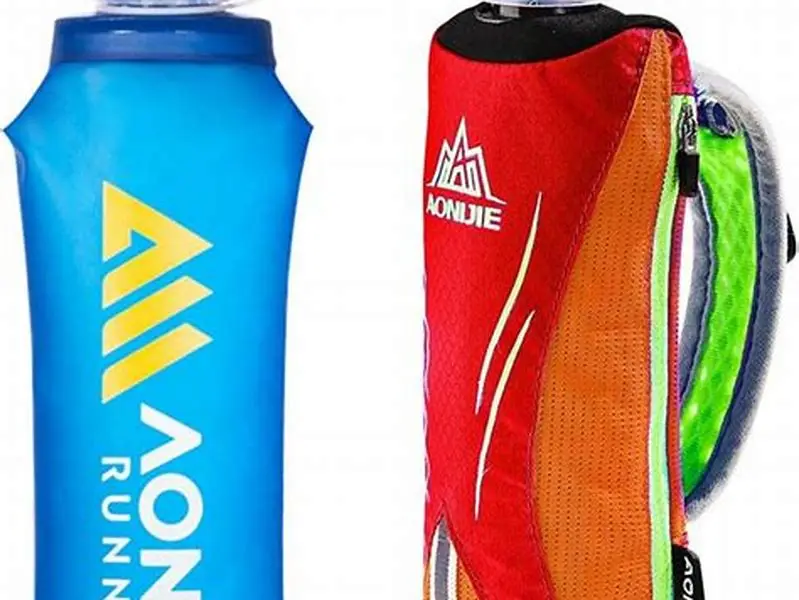
The most straightforward way to carry a water bottle while running is by handheld grip or a running pack. Hold the bottle firmly in your dominant hand with fingers wrapped around the grip, keeping it close to your body to reduce swinging. Alternatively, a running pack worn on the torso frees your hands but adds weight and shifts your center of gravity.
Gripping the bottle near its center of mass helps prevent arm fatigue and reduces bounce. Avoid gripping the bottle too tightly, as this can cause hand cramps. Instead, install a strap or use a bottle designed with an ergonomic grip to distribute pressure evenly across your hand.
Running packs hold one or more bottles and usually feature adjustable straps to keep the bottles stable. They require some acclimation because their weight shifts as you run, which can affect your stride and posture. For shorter runs, handheld is preferable for simplicity and control.
On treadmills or gym machines, carrying a water bottle in your hand might be less stable due to rapid arm movements; in these cases, using a running belt or hydration pack attached to your waist is often better to keep things secure and hands-free. It helps to understand reflective gear for runners before going further.
Differences between handheld and pack water bottles
Handheld water bottles are designed to be held comfortably in one hand with minimal effort. They often include finger loops or adjustable straps to stabilize your grip. Their main advantage is the direct control and ease of access to hydration, but the downside is the added effort of holding and potential arm fatigue over long distances.
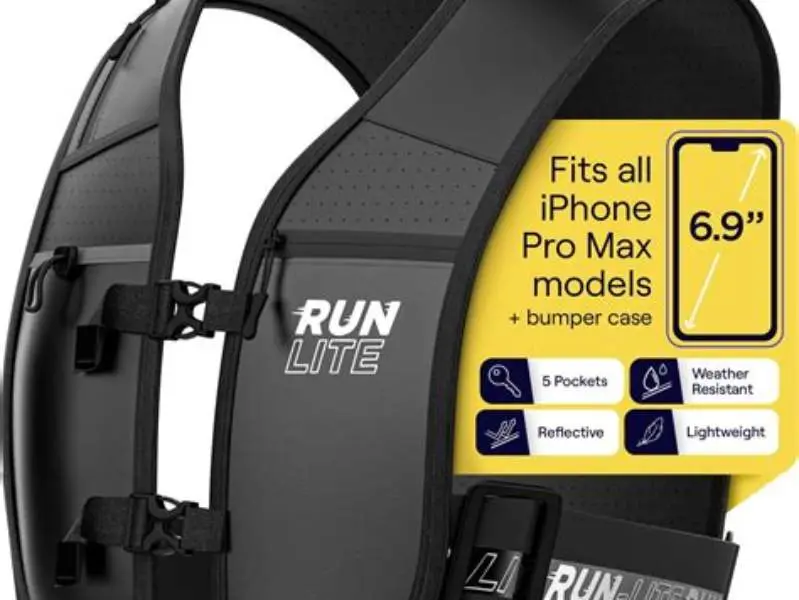
Running packs, however, carry the bottle(s) on your back or waist, allowing both hands to remain free. They are advantageous for longer runs or when carrying additional items like keys, cards, or phones. Packs can be vest-style or belt-style, each affecting comfort and bounce differently.
Handheld bottles generally weigh less because they often hold less water: typically 10 to 20 ounces. Packs can carry larger volumes but add extra weight and can cause chafing if not properly adjusted. Depending on your running style and distance, choose between handheld for short runs and packs for longer efforts. We cover healthy water bottle materials in its own article.
In terms of stability, handheld bottles demand a secure grip, or they will bounce and slip, disrupting your running rhythm. Packs use compression straps and elastic holders to minimize bottle movement, which also reduces noise and irritation.
| Aspect | Handheld Bottles | Pack Water Bottles |
|---|---|---|
| Weight | Light (bottle only) | Heavier (bottle + pack) |
| Hands Free | No | Yes |
| Capacity | 10-20 oz typical | 20-40 oz typical |
| Stability | Dependent on grip | Straps stabilize |
| Comfort | May cause arm fatigue | May cause chafing |

Nathan Running Handheld Water Bottle Adjustable No-Grip Quick Squeeze Lite
Stabilizes a 12 oz water bottle in your hand with an adjustable strap fitting most adult hand sizes securely.
Advantages of soft vs hard bottles for running
Soft bottles, made from flexible plastic or silicone, collapse as you drink, reducing air intake and preventing sloshing that causes bounce. Their lightweight and flexible nature makes them less prone to slipping and easier to squeeze for a quick drink while running.
Hard bottles maintain their shape and often offer a more durable, protective shell. They can be easier to clean and may include features like built-in handles or wide mouths. However, hard bottles tend to bounce more if not firmly held and may cause discomfort if gripped too tightly due to their rigid surface. It helps to understand running armband that stays put before going further.
Soft bottles usually come with adjustable straps designed to conform to your hand's shape, improving grip security and comfort. Hard bottles may require additional attachments like silicone sleeves or hand straps to enhance grip and reduce movement during running.
Choosing between soft and hard depends on your priorities: soft bottles excel in bounce reduction and comfort, while hard bottles provide durability and are easier to refill. For most runners, especially those concerned with bounce and grip, soft bottles are preferable.
- Soft bottles reduce bounce
- Easier to squeeze while running
- Lightweight and flexible
- Can be less durable
- Harder to clean thoroughly
- May be less stable without strap
Practical strategies to hold or carry a water bottle while running without bounce or discomfort, ensuring steady hydration on the go.
Tips to prevent bouncing and slipping of water bottles while running
Minimizing bottle bounce is crucial for comfort and to avoid breaking your running rhythm. The key is to keep the bottle close to your body and secure it with straps or grips tailored to your hand size and shape. Quick-drying sweat on your hands can cause slipping, so consider bottles with textured surfaces or silicone sleeves.
For handheld bottles, adjust the strap tight enough to prevent wobbling but loose enough to avoid restricting blood flow or causing hand cramps. Regularly practice gripping and releasing during training to build muscle memory and avoid fatigue.
Running belts and packs should be adjusted so that the bottles sit snugly against your torso with minimal movement. Elasticized holders and compression straps reduce shifting. If you feel the bottle bouncing, reposition the straps or try softer bottles that collapse as you drink.
Some runners use anti-slip gloves or sports tape on their hands for extra grip in hot or rainy conditions. You can also try different bottle textures in store to see which hold best under your usual running conditions.
- Bottle placement: keep close to torso to minimize swing
- Strap adjustment: balance tightness to prevent bounce and discomfort
- Surface texture: choose bottles with grip-friendly coatings or sleeves
- Practice: simulate running grip during warm-ups to build endurance
How to choose a water bottle size for running
Selecting the right bottle size depends primarily on run distance, your hydration needs, and how much weight you can comfortably carry. For runs under 30 minutes, 10-12 ounces (300-350 ml) usually suffice. Longer runs require larger volumes, typically 16-20 ounces (475-600 ml) or more.
Consider that a filled 20-ounce bottle weighs about 1.25 pounds (570 grams), which can affect arm fatigue if handheld. If you run with a pack, you can carry multiple bottles or bigger ones but must balance weight distribution.
Think about the bottle's shape and diameter as well. Thinner bottles fit better in hand but might hold less water, while wider bottles hold more but can be harder to grip and bulky in packs.
Test different sizes during training runs to find your comfort zone. You may find carrying a smaller bottle topped up mid-run at a water fountain preferable to lugging a large bottle all session.
- Short runs: 10-12 oz recommended
- Medium runs: 16-20 oz optimal
- Long runs: consider 20+ oz or packs with multiple bottles
- Balance volume with comfortable weight
How to run with a water bottle
Running with a water bottle requires proper technique to maintain comfort and avoid disruption. First, select a bottle size that fits your run and hand size. Use a bottle with an ergonomic shape or a built-in hand strap to improve grip and stability. Hold the bottle low, near your waist or hip, to reduce arm swing and bounce.
Engage your hand muscles to maintain a firm but relaxed grip, avoiding tension that causes cramps. If using a handheld bottle, practice switching hands during longer runs to balance muscle fatigue. When carrying a pack, adjust straps for minimal movement and position bottles so they do not interfere with arm or leg motion.
Practice drinking on the move by slightly tilting the bottle and sipping without stopping or breaking stride. Plan hydration points and keep the bottle readily accessible but secure. Adjust your running form as needed to accommodate the bottle, ensuring your shoulders and arms stay relaxed.
If you want to run completely hands-free, consider coupling a running belt with a soft collapsible bottle or hydration bladder. This setup allows you to carry multiple items, including your phone and keys, with no hand involvement.
- Pick the right water bottle size for your run and hand.
- Attach or use a strap to secure the bottle firmly in your hand.
- Hold the bottle close to your torso, near your waist or hip.
- Practice grip relaxation to avoid cramps while running.
- Drink while running with minimal disruption to your stride.
- Switch hands occasionally to balance fatigue on long runs.
- Use a running pack or belt for hands-free alternatives.
FAQ
Can I run with any water bottle?
Not all water bottles suit running. Those designed with ergonomic grips, hand straps, or soft collapsible bodies reduce bounce and slipping better than standard bottles.
Is it better to carry a bottle in hand or use a pack?
For short runs, handheld bottles offer control and quick access; longer runs benefit from packs that carry more but add weight and need adjustment.
How do I stop my bottle from bouncing during runs?
Keep it close to your body, use grip straps, choose soft bottles to minimize sloshing, and adjust straps or grips for firm but comfortable hold.
What size bottle is best for running?
It depends on run length and personal comfort. Most runners choose 10-12 oz for short runs and 16-20 oz for longer sessions.
Can I carry my phone and keys along with a water bottle while running?
Running packs or belts are best for carrying multiple items hands-free, while handheld bottles limit your hand capacity.