Which water bottle material is safest and healthiest for everyday use

Stainless steel bottles offer the best balance of safety, health, and durability for everyday gym and carry use. They avoid chemical leaching, resist damage, and maintain water taste better than many plastics or glass options.
On this page (8 sections)
- Remember this
- Which water bottle material is healthiest
- Which bottle material is safest for drinking water
- Best bottle material for gym use and daily carry
- Differences between plastic, glass, metal bottles for safety and use
- What material is best for water bottle health
- Best reusable water bottle material for gym and carry
- FAQ
Part of our guide on scratch-free magnetic gym pouch
Fast facts
- Steel corrosion risk
- Low with 18/8 alloy
- Plastic chemical risk
- Higher if not BPA-free
- Glass break risk
- High
- Thermal insulation
- Best with steel double-wall
- Weight
- Lightest is plastic
Remember this
- Stainless steel is safest for health and durability.
- Glass bottles don’t leach chemicals but break easily.
- Plastic bottles risk chemical leaching unless BPA-free.
- Consider your daily use: gym, carry convenience, and durability.
- Check certification like BPA-free or food-grade stainless steel.
Which water bottle material is healthiest
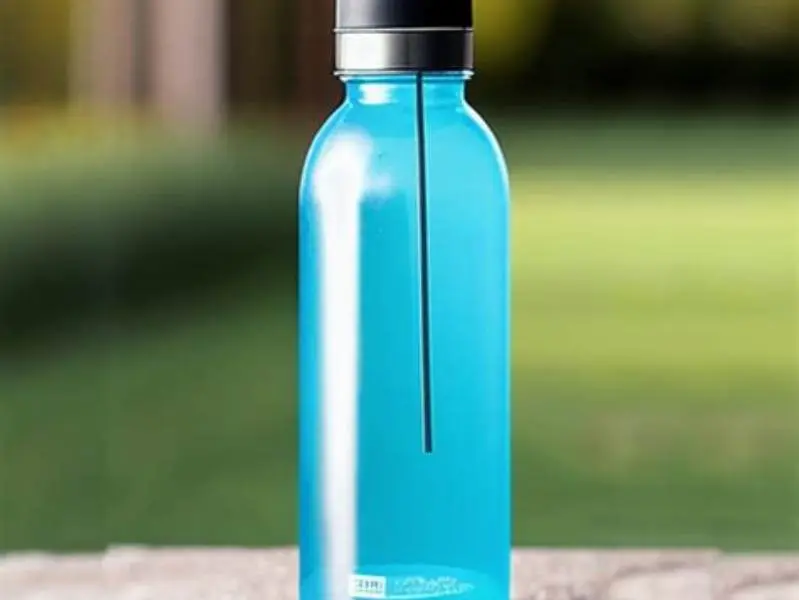
Get stainless steel. It resists corrosion and won't leach under normal use. Choose 18/8 or 304 food-grade steel for daily drinking. Those grades contain 18% chromium and 8% nickel and form a passive layer that stops rust.
Glass is chemically inert. It keeps taste pure and it does not release chemicals into water. Glass breaks easily though. Carry a protective sleeve if you pick glass for everyday use.
Many plastics say BPA-free. They cut BPA risk. Still, some plastics can release other chemicals when heated or old. Avoid leaving plastic bottles in hot cars or direct sun. Replace scratched or cloudy bottles after a few months of heavy use.
Single-wall stainless steel conducts heat and cold quickly. Double-wall insulated steel keeps drinks cold for up to a day and hot for hours under typical conditions. Insulation also prevents condensation on the outside. There is more on tracing the viral trend in a separate guide.
Check the manufacturer markings before you buy. Look for food-grade, 304/18-8, or explicit BPA-free labels. Smell and taste tests work too: if water smells or tastes odd after a week, stop using that bottle.
Which bottle material is safest for drinking water
Safety means no contamination, no chemical leaching, and no bacterial growth. Stainless steel bottles pass these with flying colors because they resist corrosion and are easy to clean thoroughly.
Glass bottles are completely inert and safe, but they shatter on impact. Using a protective sleeve is essential if you prefer glass to avoid cuts and spills. Before you commit to anything, it is worth looking at best water bottle for gym workout.
Plastic bottles carry risks based on material type. Some older plastics leach toxins like BPA and phthalates. Newer BPA-free plastics reduce this risk but degrade with use and heat exposure.
Bacterial growth depends on how easy it is to clean the bottle. Stainless steel bottles have wide mouths that allow thorough scrubbing. Some plastics have narrow necks making cleaning harder, which can trap bacteria and mold.
Glass bottles resist bacteria and don’t harbor odors. However, cracks can develop from impacts, invisible to the eye. These cracks invite bacteria and can lead to leaks. Inspect glass bottles regularly for chips or hairline cracks. For the detail, see our notes on fanny pack loops for 1l steel bottles.
Some metal bottles have inner coatings to prevent metallic taste. Check if the coating is BPA-free and scratch-resistant since damaged coatings can expose the metal underneath, potentially affecting safety and taste.
| Material | Chemical Leaching Risk | Durability | Bacterial Resistance |
|---|---|---|---|
| Stainless Steel | Minimal with 18/8 alloy | High | High |
| Glass | None | Low (breaks easily) | High |
| Plastic (BPA-free) | Low but increases with heat | Medium | Medium |
Best bottle material for gym use and daily carry
Pick stainless steel if you drop things. It dents but rarely cracks. That matters in a gym bag full of weights, shoes, and keys.
Weight matters for carry. A 500 ml stainless steel bottle typically weighs 200-300 g. A plastic bottle of the same size weighs about 100 g. A glass bottle usually weighs over 400 g. Weight adds to what you already carry. We go through secure cages for rough rides step by step elsewhere on the site.
Grip matters when you sweat. Textured finishes or silicone sleeves stop slips and keep the bottle from banging around. Some bottles include handles or quick-release loops that make one-handed grabs easier.
Cap design changes usability. Flip-top and sports caps let you sip fast between sets. Threaded screw caps seal better but need two hands to open. Choose the cap that matches your routine.
Insulation helps during long sessions. Double-wall insulated steel keeps water cool through a long workout. Cold water stays drinkable and refreshing, which helps you drink more.
Plastic is light and cheap. It scratches and can absorb odors. Glass feels clean but breaks easily. Match the material to how rough you are on gear.
- Stainless steel: durable, maintains taste, double-wall options for insulation.
- Plastic: light, affordable, but scratches and chemical risk increase with age.
- Glass: chemical free, but fragile and heavier.
Clear comparison of water bottle materials by safety, health, and gym-friendly use you won’t find elsewhere.
Differences between plastic, glass, metal bottles for safety and use
Plastic bottles are generally lightweight and inexpensive. They can be recycled but have a limited lifespan before degrading.
Glass bottles don’t absorb flavors or chemicals, making them ideal for pure water taste. Their fragility limits outdoor or active use.
Metal bottles, especially stainless steel, offer the strongest resistance to damage and bacterial growth. They retain temperature well if insulated, but they are heavier.
| Material | Weight (relative) | Durability | Taste Impact | Cost Range |
|---|---|---|---|---|
| Plastic | Light | Low-medium | May absorb odors | Low |
| Glass | Heavy | Low (breaks easily) | None | Medium |
| Stainless Steel | Medium-heavy | High | None to minimal | Medium-high |
What material is best for water bottle health
Health safety means avoiding toxic chemicals and preventing microbial contamination. Stainless steel bottles with food-grade alloys offer the best protection.
They don’t release endocrine disruptors or BPA-like chemicals. Such bottles withstand heat and cleaning without degrading.
Plastic needs to be BPA-free and replaced every 1-2 years to avoid leaching. Glass needs cautious handling and protective sleeves to stay safe.
Microbial contamination also depends on cleaning routine. Stainless steel bottles tolerate dishwasher cleaning, which kills bacteria and removes residues effectively. Some plastics warp in dishwashers, reducing lifespan and safety.
Glass bottles do not degrade with washing but must be handled carefully to avoid breakage. Dishwasher-safe glass bottles simplify cleaning, but hand washing is gentler and extends bottle life.
Plastic bottles can develop microscopic scratches over time, trapping bacteria and accelerating chemical leaching. Replace plastic bottles sooner if they show any signs of cloudiness, odor, or surface wear.
Best reusable water bottle material for gym and carry
For hands-free, gym, and everyday carry use, weight, durability, and safety matter most. Stainless steel bottles balance those factors well.
Double-wall insulated stainless steel bottles keep water cold or hot for hours, useful during workouts and commutes.
Plastic bottles often fit machine holders better due to lighter weight, but risk chemical leaching and odor retention.
Glass bottles suit stationary use but rarely survive rigorous physical activities or carry in bags with phones and keys.
Stainless steel water bottles are safest and healthiest for everyday gym and carry use given their durability and chemical resistance.
FAQ
Is stainless steel better than plastic for water bottles?
Yes, stainless steel is healthier because it doesn't leach chemicals and lasts longer. Plastic can leach toxins if not BPA-free or when aged.
Are glass water bottles safe for gym use?
Glass bottles are safe chemically but break easily. Use protective sleeves to reduce breakage risk if you take them to the gym.
What does BPA-free mean for plastic bottles?
BPA-free means the bottle avoids bisphenol A, a chemical linked to health risks. However, BPA-free plastics can still leach other chemicals if exposed to heat.
How often should I replace my water bottle?
Plastic bottles should be replaced every 1-2 years. Stainless steel and glass last longer if not damaged. Clean regularly to avoid bacteria.
Does metal affect water taste?
Stainless steel water bottles usually do not affect taste, especially food-grade 18/8 steel. Lower quality metals may impart metallic flavors.