How to use mirror mounting clips to hold and remove wall mirrors safely

Use mirror mounting clips by positioning them evenly around the mirror edges, usually at least four clips for a standard size. Secure clips to the wall firmly, then slide or rest the mirror in them. To remove, carefully lift or slide the mirror out while supporting its weight.
On this page (8 sections)
Part of our guide on non-rotating mount for gym bar
Fast facts
- Standard clip count
- 4 clips
- Heavy mirror clips
- use heavy-duty clips
- Spacing
- even around edges
- Clip material
- metal or plastic
- Wall anchors
- required for drywall
Remember this
- Use at least four clips for standard mirrors
- Position clips evenly around edges for balance
- Secure clips to wall studs or anchors
- Lift mirror gently to avoid damage when removing
- Choose clips rated for your mirror weight
Types of mirror mounting clips
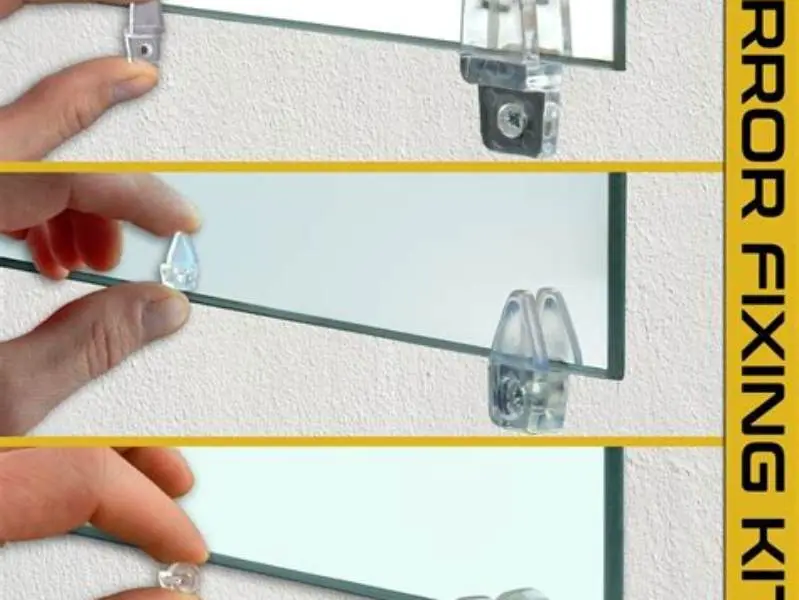
Mirror mounting clips come mainly in two types: metal and plastic. Metal clips are usually stronger and better for heavier mirrors, rated up to 25-40 pounds or more each depending on design. Plastic clips suit lighter mirrors, generally under 15 pounds each.
Clips may also differ by design: some are fixed with screws to the wall holding the mirror edge, others use spring tension to grip. Choose fixed clips for secure long-term mounting. Spring clips provide easier removal but less load capacity.
Some clips include rubber or felt pads to protect the mirror edge from chipping or cracking. These pads also help reduce vibrations that could loosen the mirror over time.
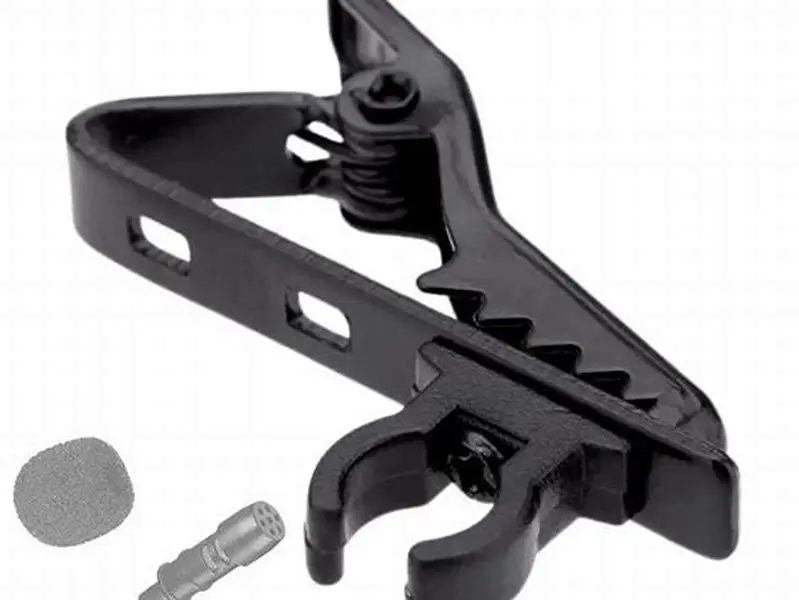
Select clips based on mirror weight, size, and wall type. For drywall, use clips compatible with anchors or mount directly to studs. We cover scratch-free lapel mic clips in its own article.
| Clip Type | Material | Weight Capacity per Clip | Best Use Case | Edge Protection |
|---|---|---|---|---|
| Metal Fixed Clip | Steel/Aluminum | 25-40 lbs | Heavy mirrors | Usually rubber pads |
| Plastic Clip | Plastic | Under 15 lbs | Light mirrors | Sometimes foam pads |
| Spring Tension Clip | Metal/Plastic | Varies | Easy removal | Less common |
How to install clips to hold a mirror securely
Start by measuring your mirror's dimensions and weight. Most mirrors require at least four mounting clips evenly spaced along the edges. Larger or heavier mirrors need more clips, sometimes six or eight.
Mark clip placements on the wall so the mirror will be level. Use a level tool to ensure horizontal alignment. Clip spacing depends on mirror size; for example, clips placed every 12-16 inches on larger mirrors.
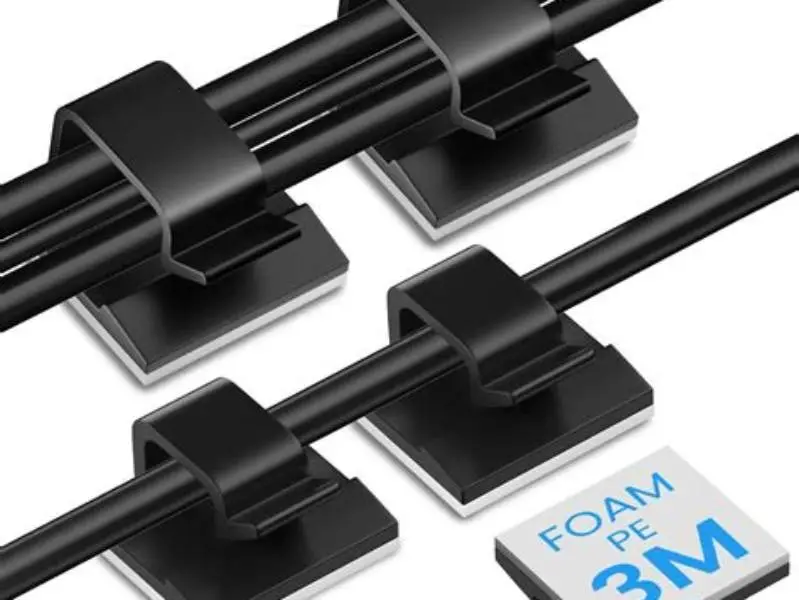
Locate wall studs with a stud finder if possible, and mount clips directly into studs for maximum support. On drywall without studs, install wall anchors rated for at least the combined mirror weight. People in this spot often ask about hold phone mount cables securely as well.
Use appropriate screws and anchors with the clips. Tighten screws enough to hold clips firmly but avoid stripping anchors or damaging the wall.
After all clips are installed, test by gently resting the mirror in place while supporting its weight. Adjust clip tightness if the mirror moves or rattles.
- Measure mirror size and weight
- Mark clip positions ensuring level placement
- Find studs or use wall anchors
- Secure clips with appropriate screws
- Place mirror and check stability

Stud Finder, Upgranded Wood and Metal Stud Detector, Live Wire Detection
Detects wooden or metal studs behind drywall accurately and quickly with intelligent micro-sensor chip
How to position clips for different mirror sizes and weights
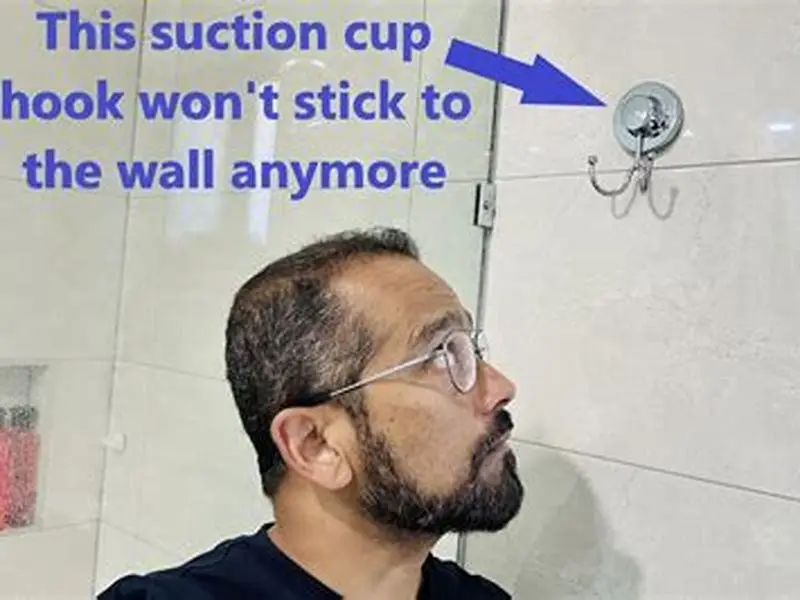
Small mirrors under 18 inches wide typically need four clips: one on each corner. For mirrors 18 to 36 inches wide, add two more clips spaced evenly between corners. Before you commit to anything, it is worth looking at restoring suction cup grip.
Mirrors over 36 inches wide or heavier than 25 pounds require at least six clips. Larger mirrors benefit from clips every 12-16 inches along each edge for balanced support.
Place clips so they hold the mirror's edges securely without covering too much reflective area. Clips usually grip 1/4 to 1/2 inch of the mirror edge.
Avoid placing clips where decorative framing or beveling interferes. Adjust clip positions to ensure full contact with the flat mirror edge.
Consider the mirror's weight distribution. Heavier edges or thick glass may need closer clip spacing to prevent sagging or cracking.
| Mirror Size (Width) | Weight Range | Number of Clips | Clip Spacing |
|---|---|---|---|
| Under 18 inches | Under 15 lbs | 4 | Corners only |
| 18-36 inches | 15-25 lbs | 6 | Every 12-16 inches |
| Over 36 inches | Over 25 lbs | 6 or more | Every 12 inches or less |
Mirror mounting clips keep mirrors secure on walls and allow safe removal without damage or hassle.
How to remove a mirror mounted with clips safely
First, prepare the area by placing soft padding below to catch the mirror if it slips. Wear gloves to protect your hands and ensure the mirror is clean and dry to avoid slipping.
Check the clip type used. Fixed metal clips usually require loosening screws before removing the mirror. Spring tension clips allow sliding or lifting the mirror free without tools.
To remove, support the mirror firmly with one hand while loosening or disengaging clips with the other. Never force the mirror out; this risks chipping or cracking the edges.
Slowly lift or slide the mirror out of the clips, keeping it vertical to avoid bending stress. Larger mirrors may require two people to handle safely.
Once free, place the mirror flat on a soft surface. Inspect clips and wall anchors for damage before reuse.
- Place padding below mirror
- Wear protective gloves
- Loosen screws or disengage clips carefully
- Support mirror firmly while removing
- Set mirror carefully on a soft surface
What clips work for heavy mirrors
Heavy mirrors over 25 pounds need metal fixed mounting clips with a minimum weight rating per clip of 25 pounds. Steel clips are preferred for strength and durability.
Look for clips with larger contact surfaces and rubber padding to distribute weight and protect the mirror edge from cracks.
Use multiple clips, at least six or more, spaced evenly to spread the load. Mount clips directly into wall studs or use heavy-duty wall anchors rated for at least the total mirror weight.
Avoid plastic or spring clips for heavy mirrors because they lack sufficient holding force and could fail over time.
When in doubt, consult clip weight ratings on packaging or product descriptions and add a safety margin of 25-50% over the mirror weight.
How to use mirror mounting clips
Begin by selecting clips appropriate for your mirror's size and weight. Then attach the clips securely to the wall with screws and anchors if needed. Position clips evenly around the mirror's edges to balance support.
Next, lift the mirror carefully and rest its edges inside the clips. Confirm the mirror sits snugly without wobbling or shifting. Adjust clips slightly if the mirror does not fit tightly or tilts.
For removal, support the mirror with both hands, loosen or disengage the clips according to their type, then carefully lift or slide the mirror free while keeping it vertical.
If clips are tight, do not force the mirror out; instead, loosen screws or gently pry the clip away to free the mirror without damage.
Regularly inspect clips for looseness or wear over time, especially for mirrors exposed to vibration or temperature changes.
- Select clips rated for mirror weight
- Secure clips evenly on wall edges
- Lift and place mirror into clips snugly
- Remove by loosening clips and supporting mirror
- Inspect clips periodically for safety
FAQ
Can mirror mounting clips hold very large mirrors safely?
Yes, if you use enough metal clips spaced closely and mounted into studs or heavy-duty anchors. Large mirrors usually need six or more clips for safe support.
How do I protect the mirror edges against chipping with clips?
Use clips with rubber or felt pads between the clip and mirror edge. These cushions reduce pressure points and vibrations that cause damage.
Can I paint over mirror mounting clips after installation?
You can, but choose paint compatible with the clip material and avoid paint buildup that interferes with clip gripping or screw threads.
Do I need special tools to install mirror clips?
Basic tools like a drill, screwdriver, level, and stud finder suffice. Heavy mirrors may require anchors and a second person to help.
How often should I check the condition of mirror mounting clips?
Check clips annually for looseness, corrosion, or damage, especially in humid or vibration-prone locations.