Which phone grips attach securely to a phone’s back for workout filming

Phone grips with strong adhesive and a flat base that match your phone’s back surface provide the best hold for filming workouts. Silicone ring grips or MagSafe-compatible mounts work well if your phone and case allow secure attachment and resist sweat and movement.
On this page (8 sections)
- Remember this
- Types of grips that attach well to phone backs
- How grips affect handling and filming during lifts
- Compatibility with phone cases and back surfaces
- Durability and grip security during movement
- What types of phone grips work on the back of phones
- How grips affect handling and filming during lifts
- FAQ
Part of our guide on mount stability during heavy vibration
Fast facts
- Adhesive strength
- Medium to high
- Grip types
- Ring, PopSocket, MagSafe
- Compatibility check
- Phone and case surface
- Durability span
- Months to 1+ year
- Typical grip width
- 1-2 inches
Remember this
- Adhesive strength and surface compatibility decide grip security.
- Silicone ring grips add handling control during lifts.
- MagSafe grips depend on phone and case magnetic compatibility.
- Textured or smooth phone backs affect grip adhesion.
- Regular cleaning keeps grip adhesion firm during sweaty sessions.
Types of grips that attach well to phone backs
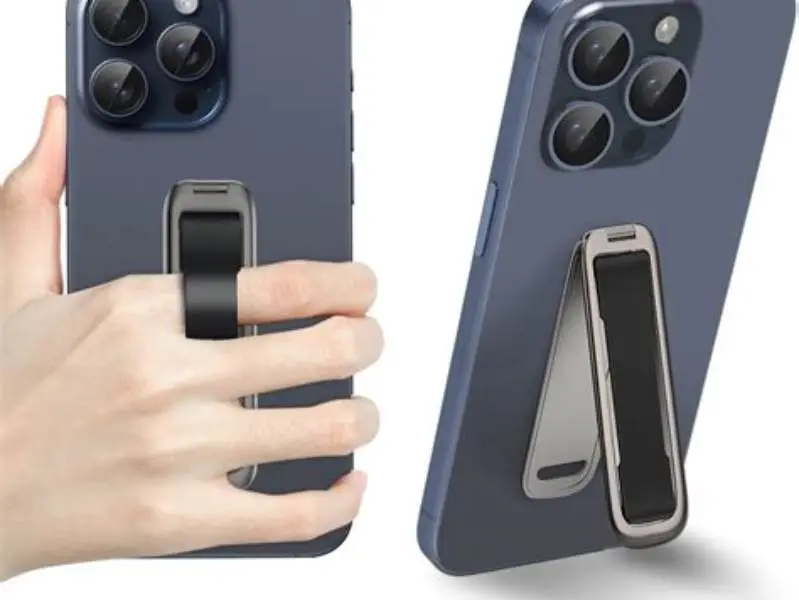
The main types of grips that reliably attach to the back of phones for filming workouts include adhesive ring grips, PopSocket-style expandable grips, and MagSafe-compatible magnetic rings. Adhesive grips use a sticky base to cling to the phone or case surface. Their hold depends on the adhesive quality and the surface texture. Silicone ring grips provide a firm handhold and help steady filming.
PopSockets offer a collapsible mechanism that makes holding or propping the phone easier, but their adhesive varies by model. MagSafe grips attach magnetically on iPhones with built-in magnets or compatible cases. This system works best when case and grip magnets align perfectly. Grips designed for flat surfaces struggle on curved or textured phone backs.
Choosing the right grip type starts with knowing your phone’s back material and whether you use a case. Most grips need a flat, smooth surface to stick well. Plastic or glass backs are better than rubberized or textured ones for strong adhesion. Removable grips allow repositioning but often sacrifice some hold strength.
| Grip Type | Attachment Method | Best Surface | Handling Support |
|---|---|---|---|
| Adhesive ring grip | Sticky adhesive pad | Flat smooth back or case | Firm hand ring |
| PopSocket | Adhesive expandable base | Flat smooth back or case | Expandable grip for holding |
| MagSafe grip | Magnetic attachment | iPhones with MagSafe or cases | Ring or mount options |
- Simple to attach
- Good hand support
- Often repositionable
- Adhesive can weaken
- Less secure on curved backs
- MagSafe limited to certain phones
How grips affect handling and filming during lifts
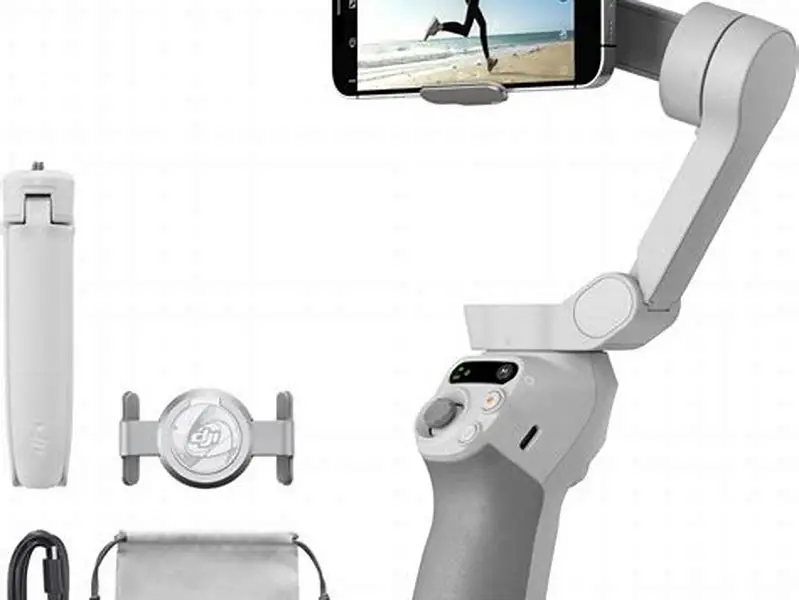
Grips that attach securely improve camera stability when filming squats, deadlifts, or bench presses. A ring grip lets you hold the phone steady or prop it on a surface without it tipping. This reduces shaky footage common when phones rest loose. There is more on using a phone gimbal in a separate guide.
Handling grips prevent accidental drops during exercises that require hand changes or movement. However, some grips add bulk and affect how the phone fits in pockets or mounts. The wider or taller the grip, the more likely it is to interfere with gym gear or machines.
During filming, grips that allow the phone to stand upright on flat surfaces help frame your lifts without a tripod. Grip placement on the phone back affects the angle and stability. Centered grips provide balanced support, while side placements can tip the phone over during movement.
- Stability - reduces phone shake during recording
- Safety - lowers drop risk during lifts
- Mounting - some grips enable standing the phone up hands-free
- Bulk - can interfere with pocket or mount fit

ARCHXX Screen Wipes for Electronics
No isopropyl alcohol concentration stated to confirm cleaning effectiveness for grip adhesion.
Compatibility with phone cases and back surfaces
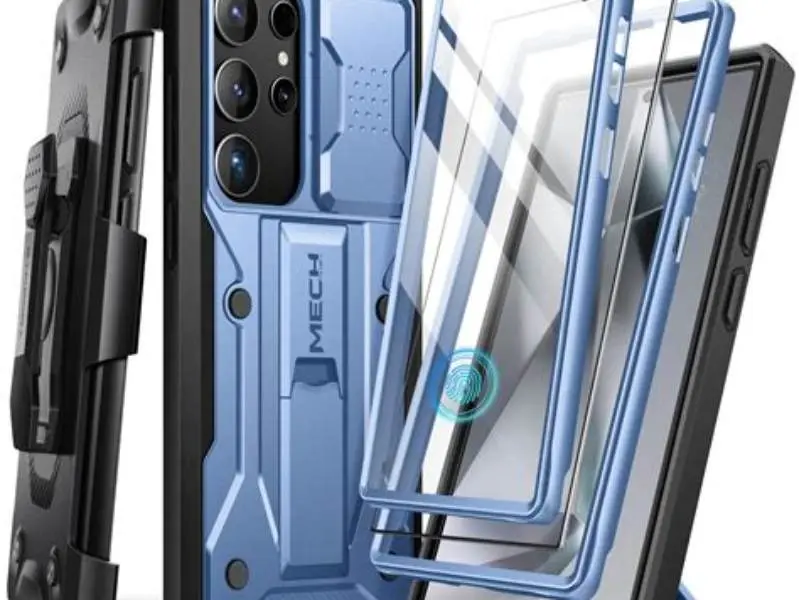
Your choice of phone case greatly influences which grips attach securely. Smooth hard plastic or silicone cases offer a reliable adhesive surface. Textured, rubberized, or fabric cases lead to weaker grip adhesion and higher risk of peeling. For the detail, see our notes on securing a phone case.
Some grips come with adhesive pads specifically designed to work on textured surfaces. If you plan to use a grip with a rugged or matte case, test the grip’s stickiness first. Permanent adhesive grips may damage delicate case finishes when removed.
Phones without cases are trickier. Glass backs generally provide a strong hold for adhesive grips. Metal backs can work but often interfere with MagSafe magnetic grips unless a compatible case is used. Avoid grips on curved phone edges as they peel easily.
Phone grips with matched adhesive and surface compatibility keep your device secure during the toughest gym lifts for steady workout filming.
Durability and grip security during movement
Grip adhesion strength varies widely and depends on sweat, movement, surface texture, and cleaning habits. Some grips last weeks under heavy use; others may hold for months. Check manufacturer specs or user reviews to gauge expected lifespan before buying. There is more on spin bike phone mount iphone 15 pro in a separate guide.
Sweat reduces adhesive strength by breaking down glue and causing slippage. Silicone grips resist moisture on the hand but their bases can still weaken if exposed to sweat often. Wiping sweat off the phone and grip base after workouts helps keep adhesion strong.
Movement and heavy lifting shake the phone and test grip attachment. Magnetic grips lose strength if magnet alignment shifts or if the case is too thick. Well-chosen grips on clean, smooth surfaces rarely loosen mid-lift.
- Clean phone or case back with isopropyl alcohol before grip installation.
- Press grip firmly for at least 30 seconds to ensure good adhesion.
- Let adhesive cure 12-24 hours before heavy use to maximize hold.
- Wipe grip and phone back regularly to remove sweat and dirt and maintain adhesion.
What types of phone grips work on the back of phones
Adhesive ring grips are the most common choice for filming workouts hands-free. They attach with a sticky pad and form a loop for your finger. This design gives solid control and reduces drops while holding or propping the phone.
PopSocket grips also stick with adhesive but expand and collapse. They offer versatility but can detach faster on textured surfaces, especially under sweaty gym conditions.
MagSafe grips attach magnetically to iPhones with built-in magnets or to compatible cases. Their hold is strong if the phone and case are designed for the system. They allow quick mount/dismount but don’t work on non-MagSafe phones.
Ring grips with silicone surfaces improve hand grip during sweaty lifts. Solid plastic loops provide less comfort but more durability. Some grips combine magnetic rings with adhesive pads for hybrid attachment.
| Type | Attachment | Best For | Limitations |
|---|---|---|---|
| Adhesive ring grip | Sticky pad | Universal phones and cases | Adhesive wears over time |
| PopSocket | Adhesive expandable | Versatile holding and standing | Less adhesive on textured backs |
| MagSafe grip | Magnetic | iPhones with MagSafe | Requires compatible phone/case |
How grips affect handling and filming during lifts
Secure grips allow safer one-handed filming when doing heavy squats or deadlifts. You can hold the phone steady or position it on gym equipment. This reduces blurry or off-angle footage that happens when phones slide or shake.
Some grips bulk out the phone’s back, making it harder to fit into tight pockets or mounts meant for slim phones. Handling comfort decreases if grips are large or positioned awkwardly.
During lifts, the grip’s ring or expandable part gives you a better hold. This lowers the chance of dropping the phone when you switch grip styles or adjust your stance.
The grip placement affects the camera angle when propping the phone on a surface. Centered grips balance easier, while off-center grips tilt the phone unpredictably.
FAQ
Can I use any phone grip for filming workouts?
Not all grips hold well during intense movement. Choose grips with strong adhesive and a flat base compatible with your phone or case surface to prevent loosening during lifts.
Will a phone grip damage my case or phone back?
Adhesive grips can peel paint or finish on delicate cases if removed carelessly. Test on a small area and handle removal gently to avoid damage.
Are magnetic grips reliable for gym filming?
Magnetic grips work well if your phone and case have MagSafe compatibility. Without it, the grip won't hold securely, especially during sweaty or dynamic movements.
How do I clean grips to maintain adhesion?
Wipe both the grip base and phone back with isopropyl alcohol regularly. Avoid oils or lotions near the grip area as they reduce stickiness.
Do grips interfere with wireless charging?
Some grips, especially thick adhesive or magnetic ones, can block Qi wireless charging. Remove the grip or use a compatible setup that supports charging through it.