Which shoulder bag with water bottle holder fits your bottle size

External mesh pockets fit bottles 32 to 40 oz if the mesh stretches and the bag rides against your hip. Internal sleeves work for 16 to 24 oz slim bottles that don't shift. Strap loops take any size but only if the bag doesn't swing when you move.
On this page (8 sections)
- Remember this
- Bottle holder size: how mesh pockets and sleeves match common bottle volumes
- Shoulder bag types compatible with water bottle holders
- Side-sling vs front-carry: where the bottle sits changes how it pulls
- Integrated vs separate bottle holders: security and access tradeoffs
- Comfort and balance: how a filled bottle shifts the load
- Material and closure: what keeps the bottle from tipping out
- FAQ
Part of our guide on magnetic pouch for steel equipment
Fast facts
- Mesh pocket capacity
- 32-40 oz, 3.5 inch diameter max
- Internal sleeve fit
- 16-24 oz slim bottles only
- Strap loop secure limit
- bag over 1.5 lb loaded
- Crossbody balance point
- bottle behind hip, not front
- Weight per 32 oz bottle
- 2.2 lb filled
Remember this
- External mesh pockets stretch to fit 32-40 oz bottles but pull the bag off-balance if you carry it cross-body and walk fast
- Internal bottle sleeves keep weight centered but only fit slim 16-24 oz bottles, not wide-mouth 32 oz sizes
- Strap bottle loops work for any diameter but the bottle bounces against your ribs unless the bag itself is heavy enough to anchor it
- Side-sling bags put the bottle behind your hip where it stays put; front-carry crossbody bags let the bottle tip forward when you bend
- A 32 oz filled bottle adds 2.2 lb to one side of the bag, enough to make a light nylon shoulder bag slide down your arm
Bottle holder size: how mesh pockets and sleeves match common bottle volumes
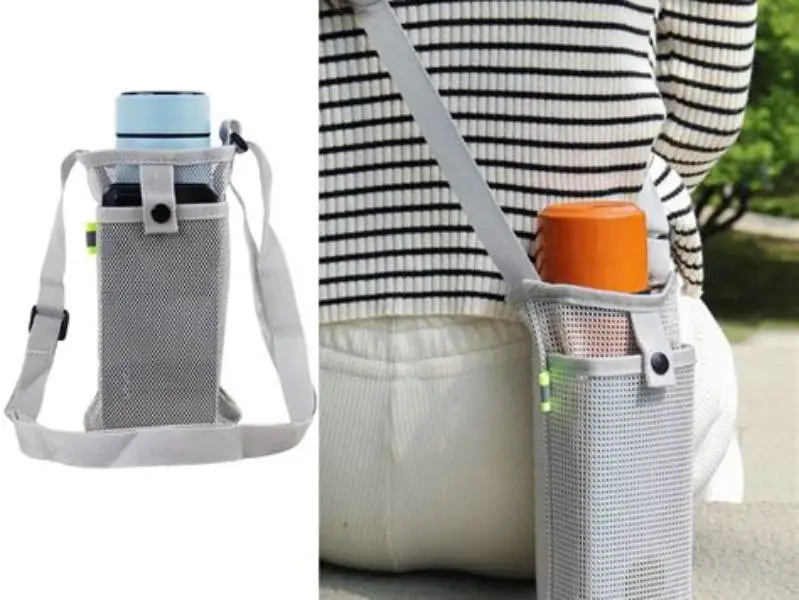
A 32 oz wide-mouth bottle measures roughly 3.5 inches across and stands 9 inches tall. Most external mesh pockets on shoulder bags stretch to that diameter if the mesh is elastic and the pocket is at least 4 inches deep. A 40 oz bottle adds another inch in height but the same width, so the same pocket works. Smaller 24 oz slim bottles, which run about 2.75 inches wide, fit the same pockets with room to spare but tend to tip and rattle unless the mesh is drawn tight with a cord lock.
Internal bottle sleeves are different. They're sewn into the main compartment with a fixed diameter, usually 2.5 to 3 inches, to fit standard 16 to 24 oz slim stainless or plastic bottles. A 32 oz wide-mouth bottle won't slide into that sleeve, and forcing it stretches the fabric until the bag loses its shape. We've seen bags where the internal sleeve is marketed for water bottles but really only holds a 500 ml slim can or a collapsible soft flask. Check the stated diameter, not just the volume claim.
Insulated bottles add bulk. A 32 oz vacuum-insulated bottle can measure 3.8 inches across the widest point, and that extra half-inch decides whether it fits a pocket that holds a single-wall bottle of the same volume. If you carry an insulated Hydro Flask or Owala, measure your bottle before assuming the pocket will stretch far enough. Mesh gives more than nylon webbing or a fixed elastic band.
Strap loops, which are elastic or Velcro bands sewn onto the shoulder strap itself, fit any diameter because you cinch them around the bottle. But they don't support the weight the way a pocket does. The bottle hangs from the strap and swings with every step unless the bag itself is heavy enough to keep it stable. We go through choosing closure types for bottle pockets step by step elsewhere on the site.
| Bottle size | Diameter | External mesh pocket | Internal sleeve | Strap loop |
|---|---|---|---|---|
| 16-20 oz slim | 2.5-2.75 in | Fits loose, may tip | Fits snug | Fits, light bounce |
| 24-28 oz standard | 2.75-3 in | Fits snug | Fits tight or too wide | Fits, moderate swing |
| 32 oz wide-mouth | 3.5 in | Fits if mesh stretches | Too wide | Fits, heavy swing |
| 40 oz tall | 3.5 in | Fits if pocket is 10+ in deep | Too wide | Fits, pulls strap down |
Shoulder bag types compatible with water bottle holders
If you search for a shoulder bag with water bottle holder, start with crossbody slings. These have a single strap that crosses your chest and anchors the bag behind the hip. That positioning keeps a full bottle stable. A sling with an adjustable strap holds a 32-40 oz bottle without swinging when properly tightened.
Messenger-style shoulder bags use a wide pad and hang from one shoulder. They handle bottles but often slide when you add 2 to 3 pounds on one side. Tighten the strap and the bag performs better. Heavier messenger bodies reduce the tendency to tip.
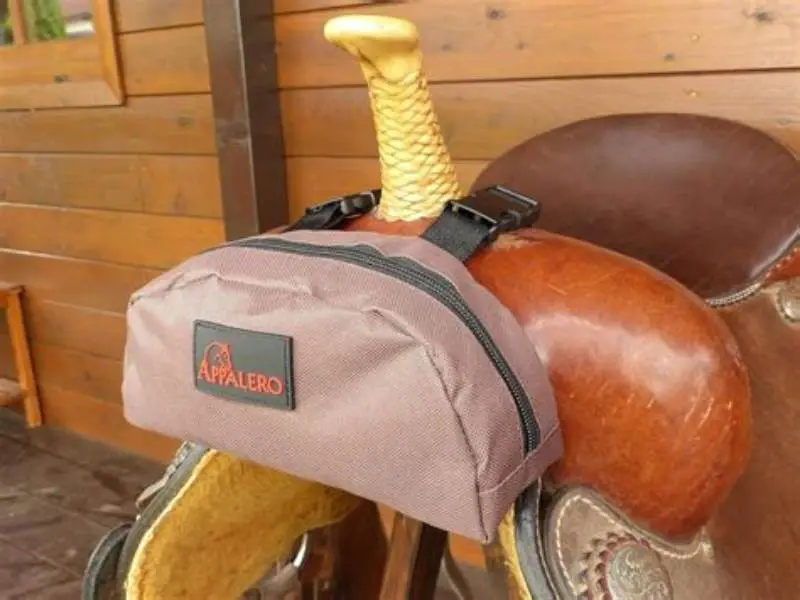
Compact crossbody bags fit essentials and usually accept 12 to 16 oz or slim 24 oz bottles only if the pocket is deep. Convertible tote-to-crossbody bags add side mesh pockets or internal sleeves. Carry by the handles when the bottle makes crossbody carry uncomfortable. It helps to understand saddlebag pocket fitting phone and 1 l bottle before going further.
- Sling bag: single strap, stable behind hip, good for
24-40oz bottles - Messenger bag: wide strap, needs snug fit, best when bag adds weight
- Compact crossbody: fits
12-24oz slim bottles, not full gym bottles - Convertible tote: handles plus strap, flexible carry, larger and heavier

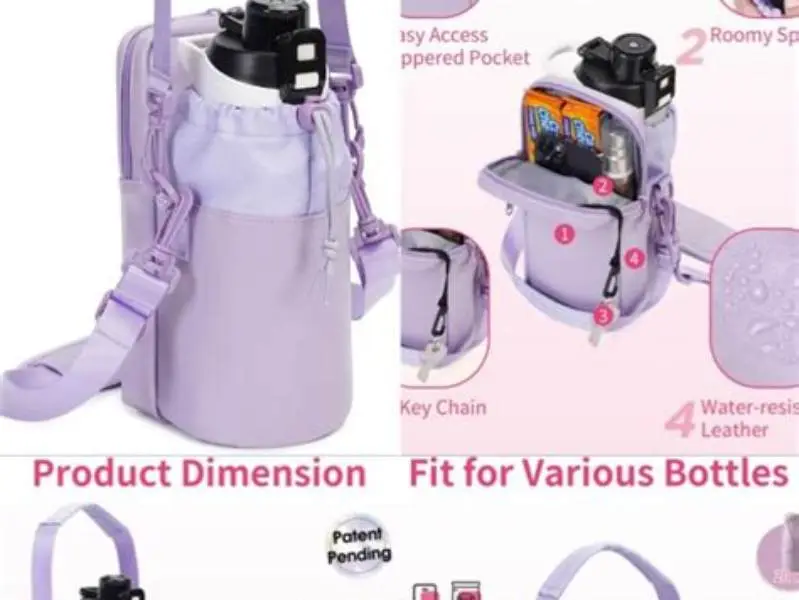
Large Mesh Water Bottle Holder Crossbody Sling Bag with Shoulder Strap and
Carries a water bottle with a 3.5-inch diameter in a mesh holder with a 53.5-inch adjustable shoulder strap for crossbody wear
Side-sling vs front-carry: where the bottle sits changes how it pulls
A side-sling bag positions the bottle behind your hip or at your lower back when the strap crosses from one shoulder to the opposite hip. The bottle's weight is behind your center of gravity, so it doesn't pull you backward when you bend forward over a bench or a bike. The bottle stays in place because it's pressed between the bag and your body. This is the position that works for most people at the gym. You can clip the strap across your chest with a sternum clip to keep the bag from swinging when you move quickly.
A front-carry crossbody bag hangs in front of your torso, across your stomach or chest. If the bottle pocket is on the outer face of the bag, the bottle sticks out in front of you and tips forward when you lean over. If the pocket is on the inner face, against your body, the bottle is more stable but harder to reach and the bag is thicker where it sits against you. Front-carry works when the bottle is light, 16 to 20 oz, or when you're standing still, but it's awkward on a treadmill or rowing machine where your body is moving through a full range.
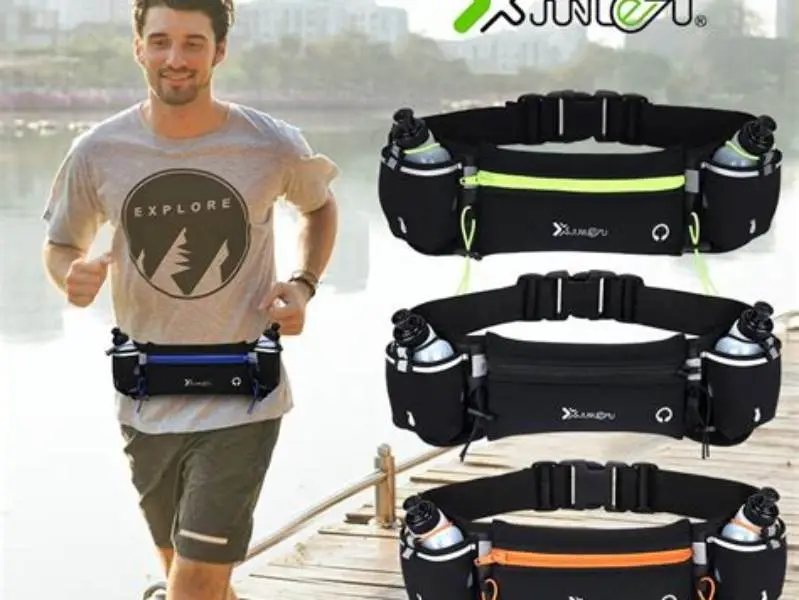
Some bags are meant to be worn either way. The strap attachment points and the pocket placement determine which carry style feels natural. A bag with symmetrical attachment points and a centered bottle pocket can be rotated to put the bottle where you want it. A bag with an asymmetric design, where the pocket is clearly on a back panel, is meant to be worn with that panel against your back or side, not out front. People in this spot often ask about running packs that hold bottles as well.
We've tested both carries with a 32 oz bottle on a stationary bike and a cable machine. Side-sling won every time. Front-carry worked for standing exercises but interfered with anything that involved leaning forward or pulling the bag into a bench or pad.
Most shoulder bags with bottle holders are sized for the 20 oz slim bottle the designer photographed, not the 32 oz wide-mouth you actually carry to the gym.
Integrated vs separate bottle holders: security and access tradeoffs
An external integrated mesh pocket gives instant access. You pull the bottle without opening the bag. Mesh with deep stretch and a cord lock works best for active use.
Internal insulated sleeves isolate the bottle and contain leaks. Expect slower access because you must open the main compartment. Commuters and locker users prefer this setup to protect electronics.
Strap-mounted loops hang the bottle off the strap itself. They keep the bag interior free but let the bottle swing unless the loaded bag weighs 1.5 to 2 pounds or more. Some bags add both external and internal holders for a flexible solution.
| Holder type | Access speed | Bottle security | Leak containment | Best for |
|---|---|---|---|---|
| External mesh pocket | Instant, no zippers | Moderate, can be knocked out | None, exposed | Gym, training, active use |
| Internal insulated sleeve | Slow, open bag first | High, fully enclosed | Good, lined or isolated | Commute, locker storage |
| Strap-mounted loop | Instant, at shoulder | Low, swings and bounces | None, fully exposed | Light bags, short carry |
| External zippered pocket | Medium, one zipper | High, enclosed | Good if pocket is lined | Mixed use, all-day carry |
Comfort and balance: how a filled bottle shifts the load
A 32 oz bottle filled with water weighs 2.2 pounds. That's enough to pull a lightweight nylon shoulder bag down your arm or twist it backward if the strap isn't tight and the bag isn't balanced. The bottle is usually the heaviest single item in the bag, so its position determines where the bag's center of gravity falls. If the bottle is in an external side pocket and the rest of your gear is in the main compartment on the opposite side, the bag stays level. If everything is on one side, the bag tips.
Strap width and padding affect how much the bottle weight bothers you. A thin unpadded strap digs into your shoulder under load. A strap that's at least 1.5 inches wide with a layer of foam or mesh padding spreads the weight enough that 2 to 3 pounds feels manageable for an hour or more. Adjustable sternum clips move part of the load off your shoulder and onto your chest, which makes a noticeable difference when the bottle is full and you're moving between machines or walking across a parking lot.
The bag's own weight matters. A canvas or heavy-duty nylon bag that weighs 0.5 to 1 pound empty will feel more stable with a 2-pound bottle than a 2-ounce ultralight ripstop bag that crumples around the bottle and offers no structure. The heavier bag absorbs the bottle weight as part of its total load. The ultralight bag becomes a sack with a bottle in it, and the bottle dominates how the bag carries.
We've carried bags with 32 oz bottles through a two-hour gym session and a 20-minute walk afterward. The strap needs to be adjusted so the bag doesn't bounce when you jog across a crosswalk. Too loose and the bag swings. Too tight and the strap cuts in after 30 minutes. The adjustment that worked was snug enough that the bag stayed put when we bent over, loose enough that we could still take a full breath without feeling the strap pull.
Material and closure: what keeps the bottle from tipping out
Mesh type determines fit. Four-way elastic polyester mesh stretches and will accept bottles that differ by about 0.5 inches in diameter. It contracts when the bottle is removed and keeps items from wobbling.
Two-way nylon webbing mesh is stiffer. It grips by friction and holds a bottle securely once fitted. It will not adapt to slightly oversized bottles.
A cord lock or drawstring at the pocket top stops a bottle from sliding out when the bag is turned. Internal sleeves use Velcro, magnetic snaps, or elastic rims. Velcro is noisy and slow. Elastic rims give the fastest access but less side protection.
Side zips and roll-tops fully isolate a bottle. Side zips open faster. Roll-tops offer better weather resistance but need two hands to seal.
- Four-way elastic mesh: fits bottles differing by
0.5in diameter, most forgiving - Two-way webbing mesh: secure by friction, less adaptable
- Cord lock closure: cinches pocket, prevents tipping, quick to use
- Elastic-rim sleeve: fastest access, less protection on side tilt
- Side-zip compartment: isolates bottle, slower access, weather-resistant
FAQ
Can I fit a 40 oz bottle in a shoulder bag pocket sized for 32 oz?
Usually yes if the pocket is at least 10 inches deep and the mesh stretches. The diameter is the same, about 3.5 inches, so the width fits. The extra height means the bottle sticks out the top by an inch or two unless the pocket is taller. Measure your bottle and check the pocket depth spec before buying.
Will an insulated bottle fit the same pocket as a single-wall bottle of the same volume?
Not always. An insulated 32 oz bottle can measure 3.8 inches across, half an inch wider than a single-wall 32 oz bottle at 3.5 inches. That half-inch decides whether the mesh stretches far enough. Four-way elastic mesh is more forgiving than two-way webbing. Measure your insulated bottle at its widest point and add a quarter-inch for the cap.
Does a bottle in an external pocket throw off the balance of a crossbody bag?
Yes, if the bottle is heavy and the bag itself is light, the bottle pulls the bag backward or down your arm. A 32 oz bottle weighs 2.2 pounds filled. Balance it by loading the opposite side of the bag with your other gear, or tighten the strap until the bag doesn't shift. A padded strap and a sternum clip help distribute the weight.
Are strap-mounted bottle loops secure enough for a gym session?
Only if the bag itself is heavy enough to anchor the strap. A light empty bag lets the bottle swing and pull the strap off your shoulder. If the loaded bag weighs at least 1.5 pounds, the strap stays put and the bottle hangs without bouncing. Otherwise the loop works better for short walks than for moving between machines.
What's the advantage of an internal bottle sleeve over an external mesh pocket?
An internal sleeve isolates the bottle so leaks or condensation don't reach your phone or keys. The bottle is also protected from being knocked out or getting dirty. The tradeoff is access speed. You have to open the bag, pull the bottle, and close it again every time you drink, which is slower during a workout but better for commuting or storage.
Can I use a shoulder bag bottle pocket for a collapsible soft flask?
Yes, but soft flasks collapse when empty and don't hold their shape in a mesh pocket, so they slip down or fold over. An internal sleeve with an elastic top grips the flask better. If the pocket has a cord lock, cinch it around the flask's neck to keep it upright. Soft flasks work better in pockets sized for their full expanded volume, usually 16 to 24 oz.