Which travel neck pouch with RFID fits a 6.7 inch phone safely

Choose a travel neck pouch with internal dimensions at least 7.5 x 3.5 inches to fit a 6.7 inch phone safely. Ensure the pouch has RFID blocking layers to protect cards.
On this page (8 sections)
- Remember this
- How to measure your phone and pouch to confirm fit
- What RFID protection means for a travel neck pouch
- Common pitfalls when choosing a pouch for a 6.7 inch phone
- Which travel neck pouch with RFID fits a 6.7 inch phone safely
- Good travel neck pouch options and who they suit
- Who should avoid travel neck pouches for large phones
- FAQ
Part of our guide on scratch-free magnetic gym pouch
Fast facts
- Minimum pouch length
- 7.5 inches
- Minimum pouch width
- 3.5 inches
- Phone size
- 6.7 inches diagonal
- RFID protection
- required
- Common pouch materials
- nylon, leather, polyester
Remember this
- Measure your phone’s length, width, and thickness carefully.
- Look for pouches with internal dimensions exceeding phone size by 0.5 inch at least.
- RFID blocking means a special lining that blocks scanners, not just a label.
- Avoid pouches without padding or secure closures for phones this size.
- Check for room for keys and a small bottle if needed, alongside your phone.
How to measure your phone and pouch to confirm fit
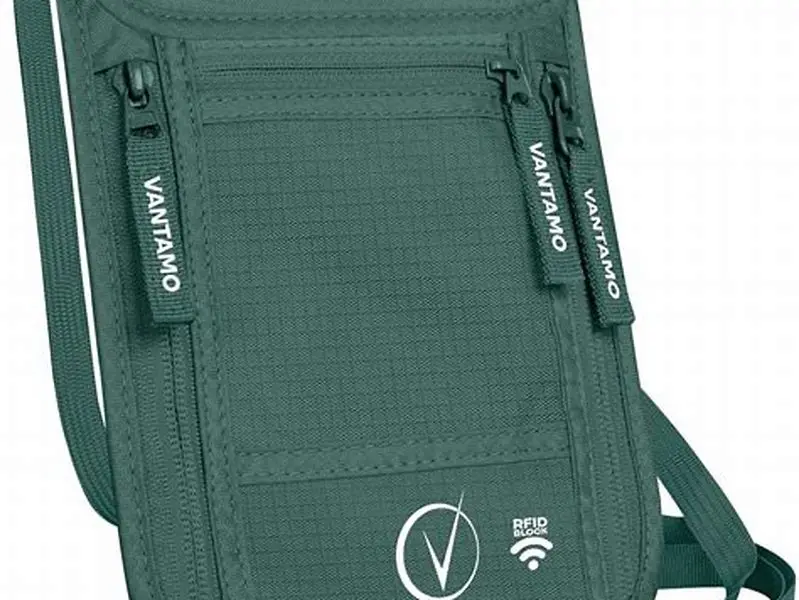
Measure your phone’s length and width precisely with a ruler or caliper. A 6.7 inch phone usually means the diagonal screen size, so don’t assume length is 6.7 inches. The length is often about 6.3 to 6.6 inches and width 2.9 to 3.3 inches depending on the model.
Next, check the pouch’s internal dimensions, not the external. Sellers often list total length and width, but you must confirm internal usable space. Add about 0.5 inch minimum in length and width clearance for the phone to slide in comfortably.
Don’t forget the phone’s thickness plus any attached case. Most phone thicknesses range 0.3 to 0.4 inch, and cases add up to 0.2 inch more. The pouch’s depth must accommodate this thickness without causing a tight jam.
If you want keys or a small bottle inside, include their sizes in your measurement. Total internal volume must be enough to hold all items without strain. It helps to understand fabric pouch bag instructions before going further.
Measure your phone both vertically and horizontally as well as diagonally. For example, a phone with a 6.7 inch screen might measure 6.4 inches long and 3.0 inches wide. If your pouch’s internal pocket is only 6.3 x 3.0 inches, the phone won’t fit safely.
Try fitting your phone with its case into a similar-sized pouch before buying. If it fits snugly without forcing, the pouch will work. For extra security, add 0.3 inches to each dimension to allow easy insertion and removal.
Double-check the pouch thickness too. If your phone plus case is 0.5 inches thick, a pouch only 0.4 inches deep will squeeze the phone. This can stress the zipper or fabric, causing early wear or damage. Confirm all measurements with a tape measure or ruler. We cover pouch for 6.7 inch phone in its own article.
| Item | Length (inches) | Width (inches) | Thickness (inches) |
|---|---|---|---|
| 6.7 inch phone approx. | 6.5 | 3.1 | 0.35 |
| Pouch internal minimum | 7.5 | 3.5 | 0.75 |
What RFID protection means for a travel neck pouch
RFID protection means the pouch contains a layer blocking radio-frequency signals from scanners. This prevents thieves from reading your contactless cards and identity chips.
Not all pouches labeled 'RFID blocking' actually block effectively. The lining must be a metalized fabric or foil layer inside the pouch walls.
Look for product descriptions that specify the type of RFID blocking tech or independent testing. Simple marketing claims without detail are unreliable. We cover buy stroller cup phone holder problems in its own article.
The RFID layer slightly reduces flexibility and adds 0.1 to 0.2 inch thickness. This must be accounted for when measuring fit.
RFID protection is critical if you carry credit/debit cards or passports with RFID chips in the pouch.
Some pouches add RFID blocking layers only in parts, like the card slot but not the main phone compartment. This partial blocking leaves your phone vulnerable if cards are stored together with it. Choose pouches with full lining coverage.
Not all RFID blocking materials protect against all frequencies. Most block 13.56 MHz used by payment cards and passports. Some cheaper materials fail to block higher frequencies used by newer cards, reducing effectiveness.
Test RFID blocking by placing an RFID card inside the pouch and scanning it with a reader or app. If the reader shows no signal, the pouch works. Repeat with different angles to confirm full protection.
Common pitfalls when choosing a pouch for a 6.7 inch phone
Picking a pouch that fits the phone’s screen diagonal is a common error. Always check length and width inside, which vary by phone model and case used.
Choosing a pouch without padding risks phone damage during workouts or travel.
Some pouches have narrow neck straps or insecure closures that risk dropping or detachment.
Ignoring RFID protection puts your cards at risk in crowded places or airports.
Overcrowding a pouch with keys, bottle, and phone can stretch seams or stress zippers.
Some pouches are designed for smaller phones only. Their claimed 'fits up to 6.7 inch phones' might refer only to screen size, not actual pocket dimensions. This causes frustration when the phone won’t fit.
Ignoring the pouch’s closure type leads to accidents. Velcro closures can wear out and open, zippers can jam or break, and magnetic snaps can attract metal objects.
Not considering the neck strap’s material and adjustment range can cause discomfort over long wear. Narrow straps dig into skin and stiff materials chafe. Look for padded, adjustable straps for comfort.
- Fit mistake: relying on diagonal screen size, not length and width.
- Protection gap: lack of padding or reinforced material for phone safety.
- Security flaw: weak closures or straps that don’t hold under motion.
- RFID risk: no verified blocking layer lets scanners access your cards.
- Capacity error: forcing too many items causes pouch damage or phone scratches.
Find if your 6.7 inch phone fits a travel neck pouch with RFID and what dimensions you must check.
Which travel neck pouch with RFID fits a 6.7 inch phone safely
The best fit comes from pouches with an internal pocket at least 7.5 inches long and 3.5 inches wide. This size lets a typical 6.7 inch phone with case slide in easily without force.
You want a pouch with a secure zip or flap closure to hold the phone firmly during movement. Padding or a slightly firm build adds shock protection for training or travel.
An RFID blocking layer inside all sides of the main compartment is essential to protect cards and passport chips.
Many pouches also provide a section for keys and a small water bottle, though this adds bulk. Confirm these additional compartments don’t reduce the phone pocket size.
Look for neck straps adjustable to your comfort. The material should resist sweat and moisture if you use it during workouts.
Pouches with internal dimensions of 7.5 x 3.5 inches fit most 6.7 inch phones, but some plus cases require closer to 8 x 4 inches. For instance, a phone 6.5 x 3.2 inches with a 0.5 inch thick rugged case needs a pouch at least 7.8 x 3.8 inches internally.
Choose pouches with dual layers: a soft inner lining to protect the screen from scratches plus a firm outer RFID blocking layer. This combination keeps your phone safe and your cards protected.
Some models include quick-access pockets outside the main compartment for tickets or passes. Ensure these pockets do not reduce the main compartment’s size or add bulk that makes neck wear uncomfortable.
| Feature | Recommended specification | Why it matters |
|---|---|---|
| Internal length | ≥7.5 inches | Phone fits without force |
| Internal width | ≥3.5 inches | Width clearance for phone plus case |
| Padding | Available | Shock protection during movement |
| Closure type | Secure zip or flap | Prevents phone from falling out |
| RFID protection | Full lining | Blocks wireless card scanning |
| Neck strap | Adjustable, sweat-resistant | Comfort during exercise |
Good travel neck pouch options and who they suit
Pick a pouch with reinforced seams and water-resistant fabric if you train outdoors or sweat heavily. This adds durability over cheaper fabric pouches.
A budget pouch may lack padding but still offer RFID protection and fit a 6.7 inch phone if you check dimensions carefully. It suits light users who prioritize security over ruggedness.
For frequent travelers or those with larger phones or cases, an upgraded pouch with extra compartments for bottles and keys helps keep all essentials together.
If you mostly want the pouch for gym use, prioritize breathability and sweat resistance over bulky designs.
Each option trades off price, durability, and capacity, so match your choice to your training and travel habits.
Water-resistant pouches with sealed seams prevent moisture damage in rainy or humid conditions. For example, pouches made from nylon with PU coating offer good resistance and dry quickly.
Budget options lack high-end materials but still block RFID if made with aluminum foil linings. These pouches weigh less and cost under $20 but might wear faster with heavy use.
Premium pouches use soft-touch fabrics and padded dividers to separate phone, cards, and keys. These reduce scratches from items rubbing together and organize contents better.
Sports-oriented pouches often use mesh backs for ventilation, reducing sweat buildup when worn tightly during workouts.
Travel-focused pouches include lockable zippers for extra security in airports or crowded tourist spots. These may weigh more but improve peace of mind.
| Option | Main feature | Best for | Trade-off |
|---|---|---|---|
| Budget pouch | Basic RFID, light fabric | Light use, low cost | Less padding and durability |
| Durable pouch | Reinforced, water-resistant | Outdoor training | Heavier, pricier |
| Upgraded pouch | Extra pockets, thick padding | Travel and multi-item carry | Bulky, expensive |
Who should avoid travel neck pouches for large phones
If you need to carry phones larger than 7 inches in length or extra bulky cases, these standard pouches won’t fit comfortably or safely.
People requiring hands-free setups for vigorous activity like mountain biking or motorcycling should choose specialized mounts or secure pockets instead.
Those carrying multiple devices or larger bottles should seek bigger carrying cases or backpacks, as neck pouches have limited capacity.
If you rely on quick phone access for filming workouts or navigation, pouches that cover the screen slow retrieval.
Avoid pouches without adjustable neck straps if you have neck sensitivity or require precise positioning.
Phones larger than 7 inches long or especially thick cases often won’t slide into standard neck pouches comfortably. This causes frequent jams or stresses the material, risking damage.
High-impact activities like mountain biking demand stable mounts on the bike frame or chest harnesses rather than neck pouches, which can swing or bounce.
Carrying multiple gadgets or larger bottles stresses pouch seams and zippers, leading to tears or broken parts. Backpacks with compartments suit these needs better.
If you need to access your phone quickly, pouches covering the screen slow you down. Consider armbands or belt clips for faster retrieval.
People with neck pain or sensitive skin may find neck straps uncomfortable or irritating. Alternative carrying methods avoid these issues.
A travel neck pouch with at least 7.5 x 3.5 inch internal size and full RFID lining fits a 6.7 inch phone safely and securely.
FAQ
How do I measure the thickness of my phone with its case?
Use a caliper or ruler to measure the phone plus case from front screen to back surface. Add any bump from camera lenses or accessories.
Can I wash a travel neck pouch with RFID protection?
Check the manufacturer’s instructions. Some RFID linings degrade with water or detergent, so gentle hand wash is usually recommended.
Does RFID blocking interfere with phone signal or Wi-Fi?
RFID blocking layers are designed to block only certain frequencies used by cards, not typical phone cellular or Wi-Fi signals.
Are neck pouches safe against pickpocketing in crowded places?
Neck pouches worn under clothing or with secure closures reduce risk. RFID protection also prevents wireless card scanning.
What phone cases work best with neck pouches?
Slim cases or those with minimal bulk fit best. Bulky battery or rugged cases may require larger pouches.