What a hydration bottle is and how it fits your active lifestyle

A hydration bottle is a water bottle designed for active use. It focuses on easy one-handed access, secure carrying, and materials suited to repeated use in motion, rather than maximum capacity alone.
On this page (8 sections)
Part of our guide on magnetic pouch for steel equipment
Fast facts
- Capacity range
- 500-1000 ml (typical for many models; check the bottle label)
- Material types
- Impact-resistant plastic (e.g., Tritan), stainless steel, glass (less common for active use)
- Common features
- One-handed caps, clips, straps, bite valves, measurement markings
- Typical use cases
- Running, cycling, hiking, gym, travel
- Hands-free options
- Clips, magnets, carabiner loops, bottle cages
- Weight range
- 150-300 g for many lightweight plastic models; stainless steel and insulated bottles weigh more. See manufacturer's spec.
Remember this
- Hydration bottles prioritize one-handed access and hands-free carrying features.
- They use tougher materials and designs to survive active use better than many ordinary bottles.
- Common uses include running, cycling, hiking, gym training, and travel.
- Features such as insulation, BPA-free materials, and dishwasher safety vary by brand and model: check the manufacturer's specifications.
- Compare examples like CamelBak, Hydro Flask, Nalgene and S'well to see how features differ.
Definition of a hydration bottle
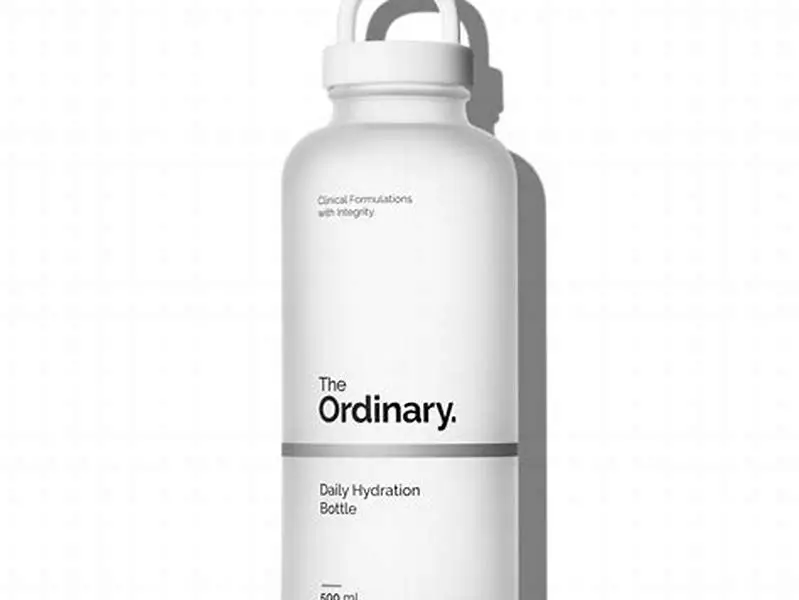
A hydration bottle is a water container built for drinking while active. Designers give these bottles caps and spouts that you can open with one hand. Manufacturers also shape bottles to fit pockets, cages, and grips so you can grab and drink quickly.
Ordinary bottles trade those features for other goals such as maximum volume, low price, or aesthetic design. A commuter bottle meant for a desk or car trip may hold more liquid but require two hands to open. A hydration bottle trims bulk and adds features that keep liquids accessible during movement.
Most hydration bottles fall between 500 and 1000 milliliters. Brands aim for that range because it balances how much you need with what you can comfortably carry while running or biking. Verify capacity on the product label before you buy.
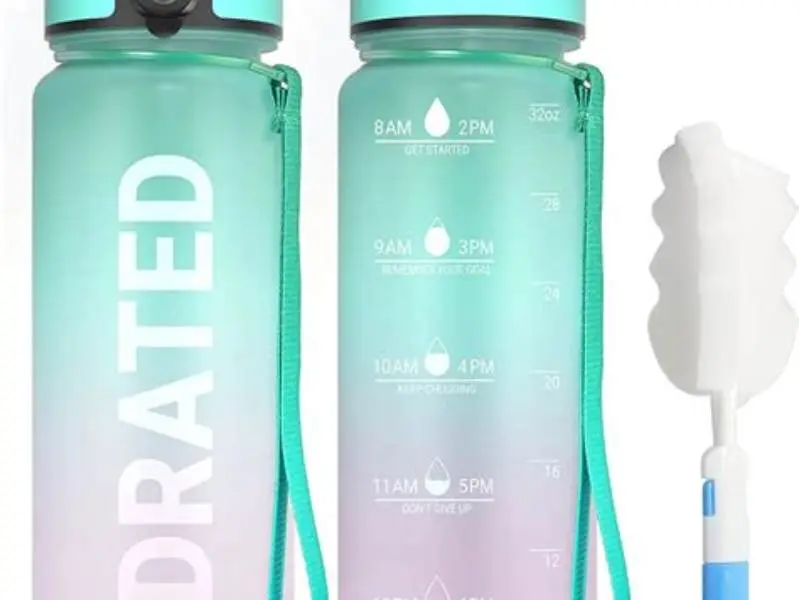
Many models show volume markings on the side. Those markings let you track intake during long outings or combine water with measured mixes of electrolytes. People in this spot often ask about what is a sports top water bottle as well.
Some hydration bottles include insulated walls intended to slow temperature change. Insulation performance varies significantly by product, design, fill level, ambient temperature, and how often you open the bottle. Check the manufacturer's claimed performance and independent tests when temperature retention matters. Consumer Reports and individual brand specifications are good starting points.
How hydration bottles differ from ordinary water bottles
Hydration bottles prioritize drinking while active. Expect one-handed or bite-valve caps, shapes that fit bike cages or pack pockets, and materials that tolerate knocks. Ordinary bottles often prioritize capacity, low cost, or decorative finishes instead.
Materials and construction differ. Popular hydration models use Tritan plastic for light weight and impact resistance, or stainless steel for strength and optional insulation. Ordinary single-use bottles or cheap consumer-grade bottles often use thinner plastic and are less likely to survive drops. The other half of this decision is hydration capacity of nalgene containers.
Attachment options separate many hydration bottles from regular ones. Examples include CamelBak Podium bottles that fit bike cages, Hydro Flask models with insulated sleeves and threaded caps for carabiners, and Nalgene wide-mouth bottles that suit pack pockets but lack one-handed caps. S'well bottles focus on insulation and style and often do not include bite valves for on-the-go sipping.
Caps vary. Hydration caps commonly have push-pull spouts, bite valves, or flip-top lids you can open without stopping. Ordinary bottles often rely on screw caps that need two hands to remove.
Form factors aim for secure grip and compatibility with active gear. A tapered bottle fits a bike cage and your hand. A wide, squat design might hold more fluid but slide out of a pocket. Match the bottle shape to your activity. For the detail, see our notes on 500ml bottles daily.
| Feature | Hydration Bottle | Ordinary Water Bottle |
|---|---|---|
| Primary focus | One-handed access and secure carry during activity | Capacity, cost, or style |
| Material | Tritan plastic or stainless steel; reinforced | Thin plastic or glass |
| Portability | Clips, carabiner loops, bike-cage fit | Usually none |
| Cap type | Push-pull, bite valve, flip-top | Screw cap |
| Weight | Often 150-300 g for light models; insulated steel is heavier | Varies from very light single-use to heavy insulated units |
Common features: durability, portability, and usability
Designers often make hydration bottles to survive drops and repeated use. Expect thicker walls, scratch-resistant finishes, and secure seals. Those changes increase service life compared with cheap disposable or thin-walled bottles.
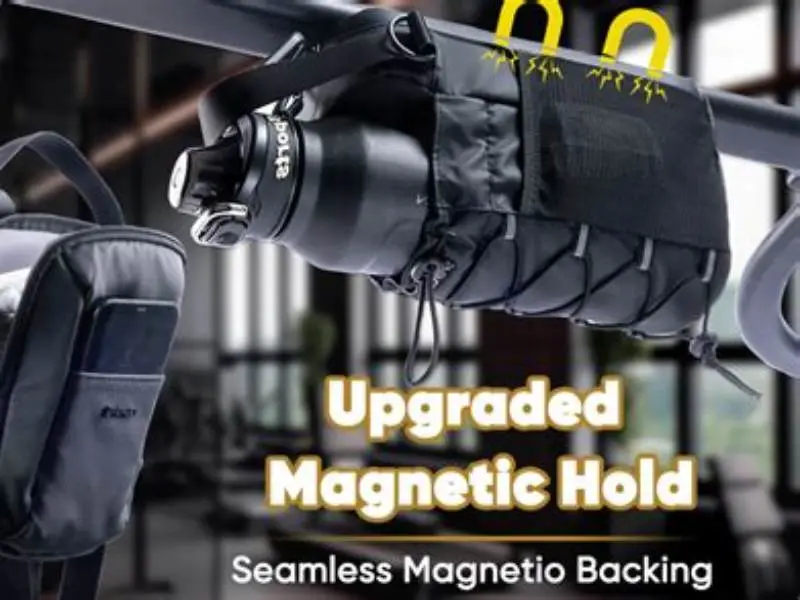
Portability features let you carry the bottle hands-free. Manufacturers add loops, clips, magnets, or shapes that lock into bike cages. Choose the feature that matches how you carry other gear.
Many manufacturers market BPA-free plastics and stainless steel as safer options. Note that 'BPA-free' only refers to bisphenol A; other chemicals can exist in plastics. Look for third-party certifications or material specs on the product page. NSF International or the manufacturer's technical data sheet can confirm claims.
Some bottles advertise dishwasher-safe construction. Dishwasher safety depends on material, cap type, and whether the bottle has insulation. Stainless steel outer shells may tolerate top-rack dishwashing, but vacuum-insulated bottles often require hand washing to preserve seals and the vacuum layer. Always follow the cleaning instructions the manufacturer provides.
Built-in straw or bite-valve options let you drink without tilting the bottle. Those parts can be harder to clean than wide-mouth designs, so check whether replacement parts are available and how the manufacturer recommends sanitizing them.
- Durability - thicker walls and reinforced seams
- Portability - clips, loops, magnets and cage fit
- Material safety - check manufacturer specs and certifications
- Cleaning - dishwasher-safe status varies by model and component
Typical uses such as running and travel
Runners choose slim, lightweight bottles that fit hand grips or belts. A small cap you can open without stopping makes short-sprint hydration practical.
Cyclists use bottle cages and prefer bottles shaped to stay put and let them sip with one hand. CamelBak and Elite make bike-specific bottles to illustrate how form follows use.
Hikers often want capacity and durability. Nalgene wide-mouth bottles are popular for filling from streams or using with gravity filters. If you want insulation on the trail, a stainless steel bottle with an insulated sleeve works but adds weight.
Gym users like bottles that attach to racks or bags. Models with magnets or clips reduce juggling. Some gyms supply magnetic panels that pair with bottles featuring embedded magnets.
Travelers want spill-proof caps and sizes that fit carry-on pockets. Insulation can matter during long trips, but check the manufacturer's stated temperature retention and independent reviews for real-world performance.
| Use Case | Preferred Capacity | Portability Feature | Typical Material |
|---|---|---|---|
| Running | 500-750 ml | Lightweight, hand-fit or belt clip | Tritan plastic, light stainless |
| Travel | 750-1000 ml | Clip or bag-pocket fit, leak-proof cap | Stainless steel or insulated models |
| Gym | 500-750 ml | Magnet or clip-on for racks | Plastic or stainless steel |
| Hiking | 750-1000+ ml | Wide mouth and loop for carabiner | Nalgene-style plastics or steel |
How hydration bottles help you stay hydrated
Regular small sips beat occasional large gulps for many athletes. Bottles that let you sip without stopping increase the chance you'll drink often enough.
Spouted caps and straws reduce the awkwardness of drinking while moving. That ease supports consistent intake during long runs or rides.
Keeping water on your person prevents the common mistake of leaving a drink in a locker or bag. A bottle with a clip or secure pocket removes that friction.
A hydration bottle's convenience can make hydration an automatic habit. Habit reduces the risk of dehydration during exercise and travel.
Choosing the right hydration bottle for you
Decide which features you need: capacity, weight, cap type, attachment options, cleaning ease, and insulation. Rank the features and then compare models that fit your priorities.
If insulation matters, accept that performance varies widely. Manufacturers often state hours of temperature retention, but those numbers depend on fill level, ambient temperature, and how often you open the bottle. Check independent reviews and the manufacturer's technical specifications.
If material safety matters, look for bottles with clear material declarations. A manufacturer's product page, technical data sheet, or certification from NSF or another test lab will confirm if a bottle is BPA-free or meets other safety standards.
For dishwasher safety, read the care instructions for both the bottle and its cap. Vacuum-insulated bottles and caps with internal valves frequently require hand washing to avoid damaging seals and vacuum layers.
Try to handle a bottle before you buy when possible. The cap action, grip, and grip diameter feel different in hand than they look on a photo. For online purchases, check return policies and customer photos in reviews.
FAQ
Can I use any water bottle as a hydration bottle?
You can carry any bottle while active. Hydration bottles make drinking easier on the move through one-handed caps, attachment points, and shapes that fit gear. Compare specific models to see which features you actually need.
Do hydration bottles come with filters?
Some bottles include built-in filters or adapters for filters. Nalgene and Sawyer, among others, offer filter-compatible bottles. If filtered water matters, buy a model designed for filters or a separate filter kit that fits your bottle.
Are hydration bottles dishwasher safe?
Dishwasher safety depends on material and construction. Many plastic bottles and some stainless steel bottles tolerate top-rack dishwashing. Vacuum-insulated bottles and caps with internal valves often require hand washing. Always follow the manufacturer's care instructions to protect seals and finishes.
How do magnetic hydration bottles work with gym bags?
Some bottles use embedded magnets or magnetic sleeves to attach to gym bags that have metal or magnetic panels. Brands such as Hydrapak and a few gym-equipment makers offer compatible systems. Read product notes to confirm compatibility before assuming magnets will stick to your bag.
Can hydration bottles keep water cold?
Insulated hydration bottles can slow heat transfer and keep water colder than a non-insulated bottle. The degree of temperature retention varies by bottle design, fill level, ambient conditions, and opening frequency. Check manufacturer specifications and independent tests for realistic expectations.