Are magnetic phone chargers safe for your phone and its battery health

Magnetic chargers generally do not harm your phone or its battery if compatible. Charging speed and connection depend on phone model, case thickness, and magnet strength. Using certified MagSafe or Qi2 accessories is safest.
On this page (8 sections)
- Remember this
- Do magnetic chargers affect phone electronics or battery life
- Are magnetic chargers compatible with all phones
- What causes magnetic chargers to fail to charge sometimes
- How magnetic rings, cases or mounts influence charging
- Are magnetic chargers good for your phone
- How to ensure magnetic accessories will hold your phone before buying
- FAQ
Part of our guide on qi2 ring sticker holding pixel 10 pro
Fast facts
- Typical charging power
- 7-15W
- Magnet force range
- 0.3-1.5N
- Battery impact
- Negligible under normal use
- Case thickness limit
- Up to 3mm recommended
- Compatibility
- Mostly iPhone 12+ and select Androids
- Main failure cause
- Magnet misalignment
Remember this
- Magnetic chargers don’t damage phone electronics or battery under normal use
- Compatibility varies; not all phones fully support magnetic charging
- Charging failures often stem from misaligned magnets or thick cases
- Magnetic rings and cases can influence charging efficiency and hold strength
- Choose certified accessories matching your phone and case specifications
Do magnetic chargers affect phone electronics or battery life
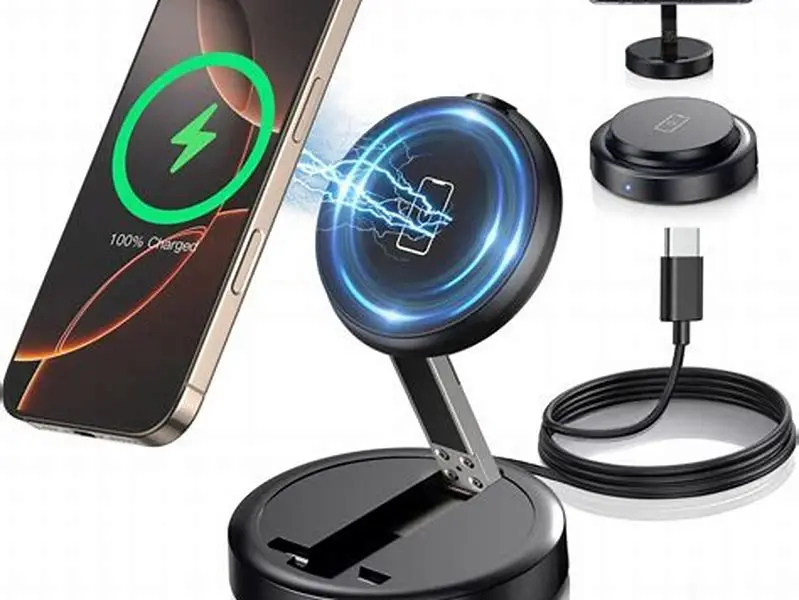
Magnetic wireless chargers produce magnetic fields around 10-15 millitesla at the charging coil. This field powers the phone’s receiver coil through induction. Under normal use, this magnetic exposure does not harm phone electronics or degrade battery health.
Lithium-ion batteries inside phones are designed to withstand wireless charging fields without reducing lifespan. Most charge controllers regulate power to avoid overheating or overcharging. Hence, battery wear from magnetic chargers is usually negligible.
Some users worry about magnets disrupting phone sensors or data storage. Modern phones shield sensitive components well. The magnets in certified chargers are weak enough not to affect internal electronics or erase data.
If you notice your phone heating excessively during magnetic charging, that points to an issue with alignment or accessory quality rather than the magnet itself. Proper fit and certified chargers are key to preventing battery stress. There is more on confirming iphone compatibility with chargers in a separate guide.
Some rare cases show magnetic interference with compass or NFC sensors during wireless charging. This usually occurs if the magnet is misaligned or unusually strong. Moving the phone slightly or removing the magnetic accessory fixes this.
Wireless charging via magnets produces little electromagnetic interference (EMI). Regulatory bodies require manufacturers to keep EMI below safety limits, so normal use won’t disrupt other devices.
If your phone gets hotter than usual during magnetic charging, measure the temperature. A rise above 45°C (113°F) signals inefficient charging or accessory problems. Proper alignment reduces heat and protects battery health. If that sounds like your situation, read up on will charger work with magsafe case next.
Are magnetic chargers compatible with all phones
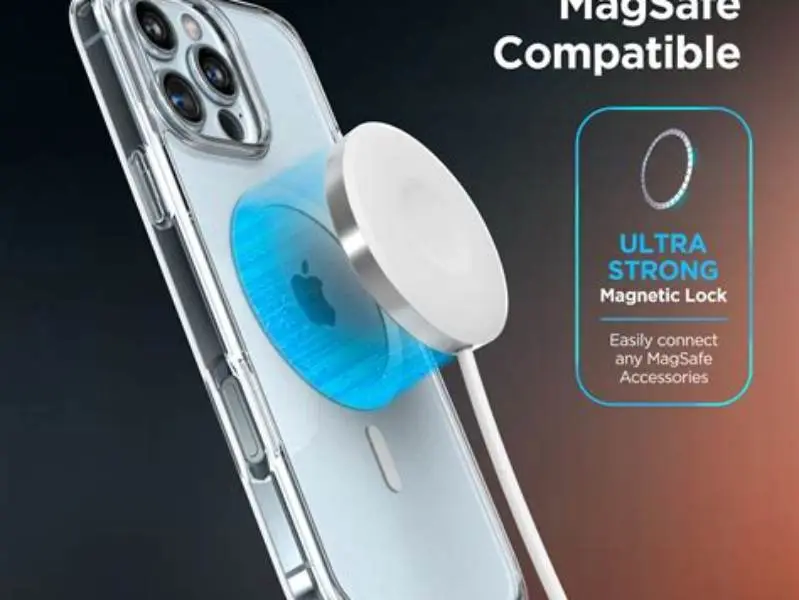
Magnetic chargers rely on wireless charging standards like MagSafe (Apple) or Qi2 (newer Androids). Phones without these protocols or magnetic alignment features often cannot use magnetic chargers efficiently or at all.
Most iPhone models from iPhone 12 onward have built-in magnets and MagSafe-compatible coils. This ensures stable alignment and optimal charging power, around 7-15 watts depending on model and charger.
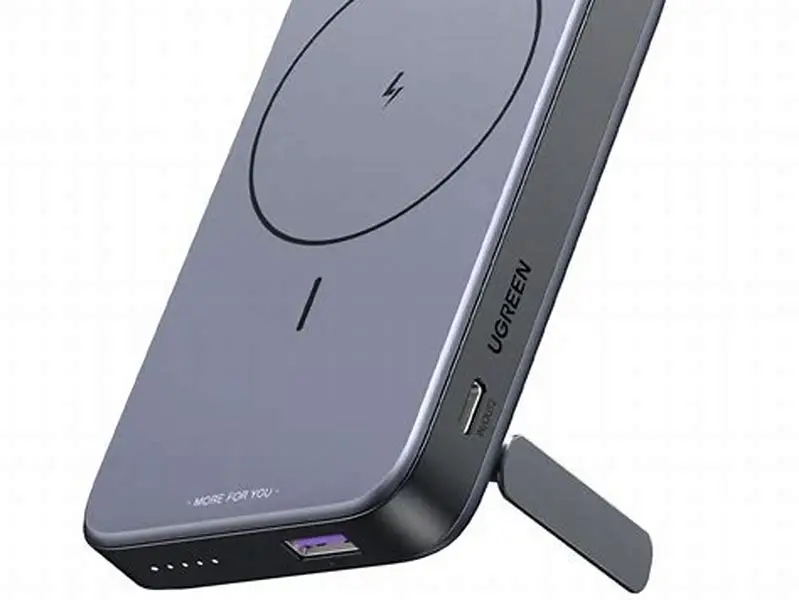
Many Android phones support Qi wireless charging but lack built-in magnets. Magnetic chargers can still work if you add a magnetic ring or case, but charging speed and reliability vary. It helps to understand how magnetic power banks work before going further.
If your phone and case combination isn’t MagSafe or Qi2 certified, magnet strength and coil alignment can be insufficient to hold the phone firmly or charge it correctly. You’ll need to measure magnet strength and ensure coil compatibility.
Older phones without built-in magnets can sometimes use magnetic chargers if you add a compatible magnetic case. For instance, adding a MagSafe-compatible case to an iPhone 11 allows it to use MagSafe chargers with improved alignment.
Phones without any wireless charging capability cannot use magnetic wireless chargers. For those, wired chargers remain the only option.
Android phones vary more in magnetic charging support. Some brands like Samsung use proprietary magnetic charging accessories, while others rely on universal Qi charging with added magnets. Check your exact phone model for compatibility details.

Master Magnetics Strong Magnet with Ergonomic Handle
Helps you check magnet pull strength with a handheld meter showing up to 100 pounds force, ensuring your magnetic accessories hold firmly without damage.
What causes magnetic chargers to fail to charge sometimes
Charging failure with magnetic chargers often comes from magnet misalignment between phone and charger coils. Even a few millimeters off can drop charging speed or stop charging entirely.
Thick cases or metal objects between phone and charger reduce magnetic field strength and inductive power transfer. Cases thicker than 3 millimeters or containing steel inserts commonly cause failures.
Dirt, dust, or debris on charging surfaces can also disrupt contact and cause intermittent charging. Regular cleaning of phone back and charger pad is essential.
Some magnetic chargers lack sufficient magnet strength to hold heavier phones or cases securely. If the phone shifts while charging, the connection breaks, resulting in failures.
Magnetic chargers hold your phone and charge batteries safely if you choose certified, compatible accessories.
How magnetic rings, cases or mounts influence charging
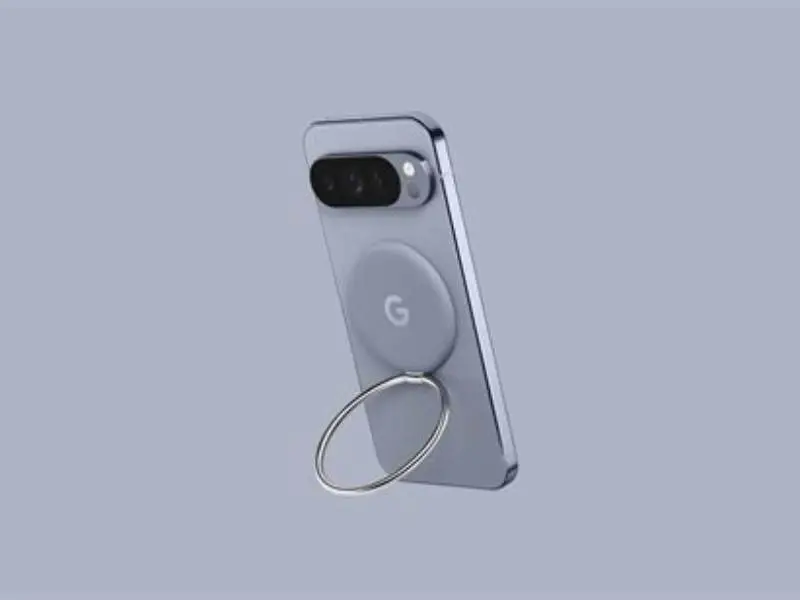
Magnetic rings or mounts add or alter the magnets around your phone or case. This influences both how well a magnetic charger holds the phone and the efficiency of charging.
Rings made from neodymium magnets typically exert 0.3 to 1.5 newtons of force. Stronger magnets improve hold but can cause slight coil misalignment affecting charge speed.
Metal plates inside cases or mounts can shield or block charging coils, reducing power or stopping wireless charging. Cases designed for MagSafe avoid metal inserts near the coil.
Using a magnetic case designed for your phone’s magnetic charging standard ensures stable alignment, reliable hold, and minimal charging speed loss. Generic magnetic cases can cause failures or slower charging.
Are magnetic chargers good for your phone
Magnetic chargers are good for phones designed for magnetic wireless charging. They offer stable attachment, hands-free use during workouts or driving, and consistent charging power typically from 7 to 15 watts.
Phones with compatible cases or built-in magnets benefit most, as the charger aligns automatically, reducing charge interruptions and heat buildup.
If you use incompatible magnets or cases, you risk poor charging performance, slippage, or even physical damage from constant repositioning.
I recommend magnetic chargers that match your phone and case specifications. This means certified MagSafe accessories for iPhone 12 and newer, or Qi2-compatible chargers and cases for Android with wireless charging.
Magnetic chargers generate less wear on charging ports because they use wireless energy transfer. This reduces the risk of physical damage to ports from frequent plugging and unplugging.
Some concerns exist about magnetic chargers attracting metal debris that could scratch the phone’s back or interfere with charging. Regularly cleaning the phone’s charging area helps avoid this issue and maintains good contact.
The charging speed of magnetic chargers varies widely. For example, iPhone 13 Pro max charges at about 15 watts with MagSafe, but older models may reach only 7.5 watts. Confirm your phone’s max wireless charging speed to set correct expectations.
| Feature | Certified MagSafe Phone + Case | Non-Magnetic Phone + Generic Case |
|---|---|---|
| Charge stability | High with automatic alignment | Low; frequent realignment needed |
| Charging power | 7-15W typical | Often reduced below 5W |
| Hold strength | Strong 1-1.5N | Weak or uneven hold |
| Risk of battery stress | Low under normal use | Higher if charging interrupts |
| Convenience in gym or driving | Hands-free, stable | Unreliable, may slip |
- Stable hold for certified phones
- Consistent charging power
- Hands-free use in active situations
- Low risk to battery health
- Limited compatibility with non-MagSafe phones
- Performance affected by thick or metal cases
- Magnet misalignment can cause charge failure
- Requires compatible accessories for best results
How to ensure magnetic accessories will hold your phone before buying
Check your phone model and case thickness against the charger’s compatibility list. Most MagSafe chargers support iPhones 12 and newer with cases up to 3 mm thick.
Measure magnet strength or buy accessories that specify magnet force in newtons. A hold force around 0.8 to 1.5 newtons ensures stable grip during gym workouts or cycling.
Use a magnet strength meter to test mounts or rings if possible. This tool gives a direct reading of the magnetic pull and helps avoid weak or too-strong magnets that could damage your phone.
Consider coil alignment features. Chargers and cases designed together align coils perfectly, ensuring consistent charging performance.
Avoid generic magnetic cases or mounts without certification for your phone. They often fail to hold firmly or allow good charging.
- Verify your phone’s wireless charging standard (MagSafe, Qi2 or none).
- Check case thickness; keep below 3mm for magnetic charging.
- Confirm the magnet force of your chosen accessory is about 0.8-1.5 newtons.
- Test magnetic hold with a magnet strength meter if possible.
- Buy certified accessories designed for your phone model and charging standard.
Magnetic chargers are safe and practical if you match accessories to your phone’s standards and case thickness.
FAQ
Can magnetic chargers damage my phone’s data or electronics?
No. The magnetic fields used in chargers are weak and do not interfere with phone data storage or electronics under normal use.
Will a magnetic charger work with any phone case?
No. Cases thicker than 3 millimeters or with metal inserts often block the magnetic connection and wireless charging.
Why does my phone sometimes not charge on a magnetic charger?
Charging interruptions usually result from misaligned coils, weak magnets, or interference from the case or debris.
Are all magnetic rings safe to use with wireless charging?
Not all. Rings must have appropriate magnet strength and placement to avoid blocking coils or reducing charging efficiency.
Does magnetic wireless charging degrade battery faster than wired charging?
No. Battery degradation rates are similar for well-designed wireless and wired charging under normal conditions.