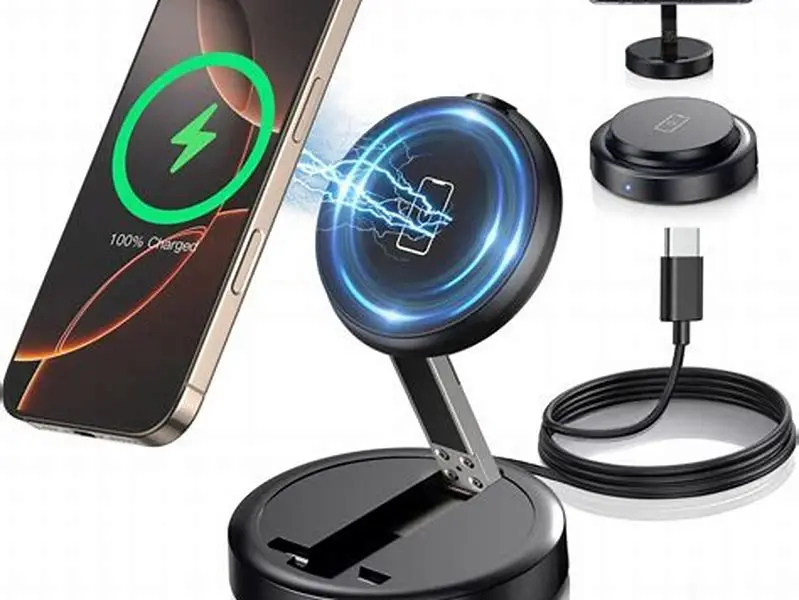
What a magnetic power bank does and how it works with iPhone and Samsung

A magnetic power bank is a portable charger that sticks magnetically to compatible phones or their cases, like iPhone with MagSafe or Samsung with magnetic rings, to charge wirelessly without cables.
On this page (8 sections)
Part of our guide on qi2 ring sticker holding pixel 10 pro
Fast facts
- Magnetic hold strength
- Up to 2N typically
- Wireless charging power
- 5-15 watts common
- Compatible systems
- MagSafe, Qi2, Samsung ring
- Power bank capacity
- 5,000-10,000 mAh usual
- Charging speed (wired)
- Up to 20W with cables
Remember this
- Magnetic power banks attach using built-in magnets or cases with magnetic rings.
- iPhone MagSafe and Samsung magnetic cases differ in magnet strength and alignment.
- Charging speed depends on power output and wireless tech, often 5-15 watts.
- Slim designs add portability but can limit battery capacity.
- Built-in cables increase flexibility but add thickness and weight.
What is a magnetic power bank
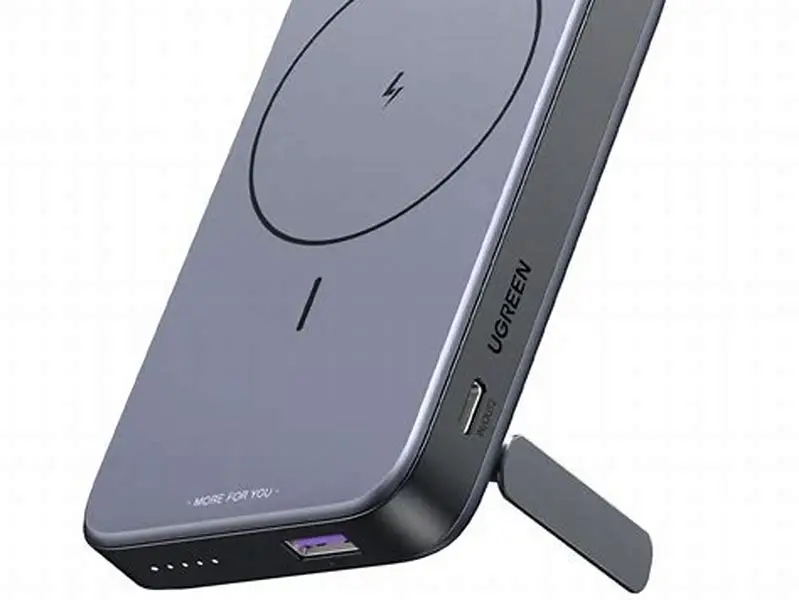
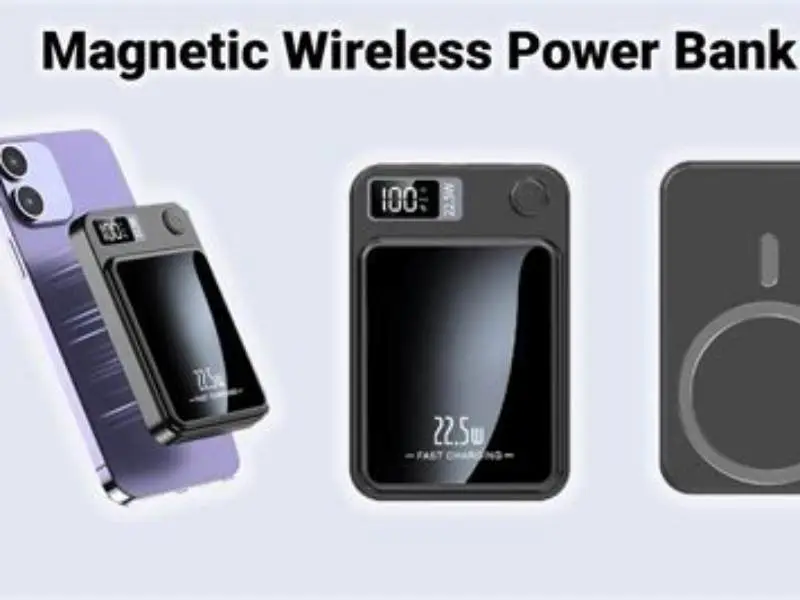
A magnetic power bank is a portable battery pack that physically attaches to your phone or its case using magnets built into both parts. The magnets align the charger and phone for wireless charging.
This design eliminates the need for cables while charging on the go. The phone and power bank remain connected by magnetic force, which typically ranges up to around 2 newtons depending on the magnet size and alignment.
Magnetic power banks usually support wireless charging standards like Qi, often enhanced by MagSafe for iPhone or Samsung's magnetic ring system. They combine power storage with convenient attachment.
How does a magnetic power bank work
Magnetic power banks work by combining two functions: magnetic attachment and wireless power transfer. The magnets snap the bank in place over the phone's charging coil to keep it aligned perfectly. There is more on magsafe charging through silicone in a separate guide.
Inside the bank is a wireless charging transmitter coil that transfers power to your phone's receiver coil via electromagnetic induction, typically using the Qi wireless charging standard.
The magnetic attachment prevents misalignment, which can reduce charging efficiency or stop charging entirely. It also allows you to keep your phone in use or keep it securely on gym equipment mounts.
Power banks include a battery inside, usually 5,000 to 10,000 mAh capacity, which recharges the phone multiple times depending on its charge and the power bank's output wattage. We cover magnetic power bank case compatibility in its own article.

Anker MagGo Power Bank, 10,000mAh Qi2-Certified 15W Portable Charger
Provides 15W max magnetic fast charging compatible with iPhone 12+ magnetic alignment for secure attachment.
Magnetic power bank for iPhone
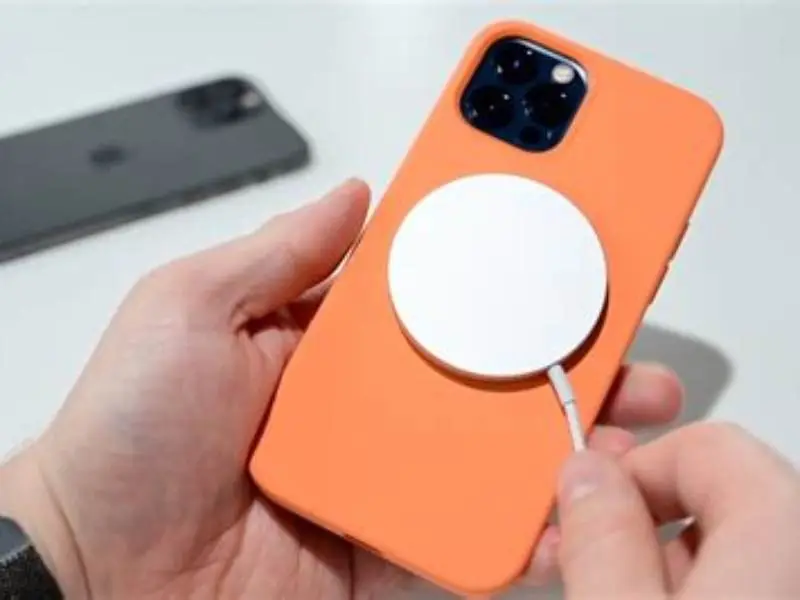
iPhones since iPhone 12 include built-in magnets around their wireless charging coil, called MagSafe. MagSafe magnets create a defined attachment ring that aligns perfectly with compatible power banks.
A magnetic power bank for iPhone uses this MagSafe ring to snap on and deliver up to 15W wireless charging, depending on the power bank's rating and the phone's battery state.
Cases designed for iPhone MagSafe keep magnets aligned and can improve hold strength. Without a MagSafe-compatible case or bare iPhone, the magnetic power bank won't attach or charge reliably. Before you commit to anything, it is worth looking at tripod with magsafe charging for iphone.
Some iPhone magnetic power banks also support pass-through charging, so you can charge the power bank and phone simultaneously when plugged in.
Magnetic power bank for Samsung
Samsung phones do not have MagSafe but often use small magnetic rings inside cases or backs to enable magnetic accessories. These rings are weaker and less standardized than MagSafe.
Magnetic power banks for Samsung rely on these rings to attach and wireless charge, mostly through Qi standard at around 5 to 10 watts. The other half of this decision is using magnetic chargers properly.
Because Samsung’s magnetic alignment varies by case and model, magnetic hold and charging efficiency can differ widely. Testing your exact phone and case combination helps.
Some Samsung-compatible magnetic power banks incorporate clip-on or adhesive metal plates to improve attachment if your case lacks a proper ring.
Magnetic power bank slim and fast charging features
Slim magnetic power banks are usually under 15 mm thick and weigh 100-150 grams. They prioritize easy carry and gym use but often hold around 5,000 mAh battery capacity.
Fast wireless charging in magnetic banks typically maxes out at 15 watts for iPhone MagSafe and 10 watts for Samsung. Wired ports may offer up to 18-20 watts charging for faster recharge.
Slim models often skip built-in cables to save space, but some include short USB-C or Lightning cables for wired charging, which adds thickness and weight.
You must balance your need for battery capacity, portability, and fast charging. Higher capacity means a bigger, heavier bank. Fast charging often requires compatible cables and power adapters.
| Feature | Slim Model | Standard Model |
|---|---|---|
| Thickness | 10-15 mm | 15-25 mm |
| Battery Capacity | 5,000-6,000 mAh | 8,000-10,000 mAh |
| Wireless Power | 10-15 W | 15-20 W |
| Built-in Cables | Rare | Common |
| Weight | 100-150 g | 150-250 g |
Magnetic power bank with built-in cables
Some magnetic power banks include built-in cables like USB-C, Lightning, or micro-USB for wired charging. This adds convenience for phones that don’t support wireless charging or when faster wired charging is needed.
Built-in cables increase the power bank’s thickness by about 5-10 mm and add 30-60 grams weight. They also limit flexibility since the cable length is short, usually 10-15 cm.
These models let you charge phones directly if magnetic wireless charging is weak or incompatible. They also permit recharging the power bank itself without separate cables.
If you want the thinnest bank and rely on wireless charging only, avoid built-in cables. If flexibility matters, pick a model with well-made cables and check your phone’s charging port compatibility.
FAQ
Can I use a magnetic power bank with any phone case?
You need a case designed for the phone’s magnetic system, like MagSafe for iPhone or magnetic rings for Samsung. Ordinary cases block magnets and stop charging.
Do magnetic power banks charge faster than regular wireless chargers?
They usually offer similar speeds, 5-15 watts wireless. Fast charging depends on the power bank’s output and phone support, not just the magnetic connection.
Will magnets damage my phone or credit cards?
Modern phones and cards have shielding to prevent magnet damage. Keep credit cards away from strong magnets just in case, but the magnets used here are generally safe.
Can a magnetic power bank charge through thick phone cases?
Wireless charging efficiency drops with thicker cases, especially over 3-4 mm. Magnetic attachment also weakens. Use thin, MagSafe-compatible cases for best results.
Is pass-through charging common in magnetic power banks?
Some models support pass-through charging, which lets you charge the bank and phone simultaneously. Check specs specifically, as not all have this feature.