Do magnets erase or damage credit cards: what strength causes loss

Magnets can erase credit cards only if their magnetic field exceeds roughly 300 gauss, a strength far above typical phone mounts, which usually emit less than 50 gauss and are safe around credit cards.
On this page (8 sections)
Part of our guide on compatibility of magsafe mounts
Fast facts
- Safe magnet strength
- Under 300 gauss
- Phone mount strength
- 10-50 gauss
- Credit card data type
- Magnetic stripe
- Damage requires
- Strong, sustained field
- Magnetic wallet effect
- Protects cards
Remember this
- Credit card magnetic stripes store data in magnetic domains vulnerable above ~300 gauss
- Typical magnetic phone mounts emit under 50 gauss and do not damage cards
- Magnetic wallets with shielding protect cards from accidental erasure
- Damage requires strong, sustained exposure, not brief proximity
- Always keep cards away from strong magnets like industrial or medical magnets
How do credit cards use magnets
Credit cards store key data on a magnetic stripe made of tiny magnetic particles aligned in patterns encoding account details. These particles are arranged in a sequence of magnetized domains which a card reader interprets.
The data format follows international standards (ISO/IEC 7811) and consists of three tracks of information, each encoded by magnetic flux transitions rather than polarity alone, making it resistant to mild magnetic fields.
The stripe's magnetized domains can be disrupted if exposed to a sufficiently strong external magnetic field, scrambling the encoded data and rendering the card unreadable. This susceptibility forms the basis for magnetic damage risks.
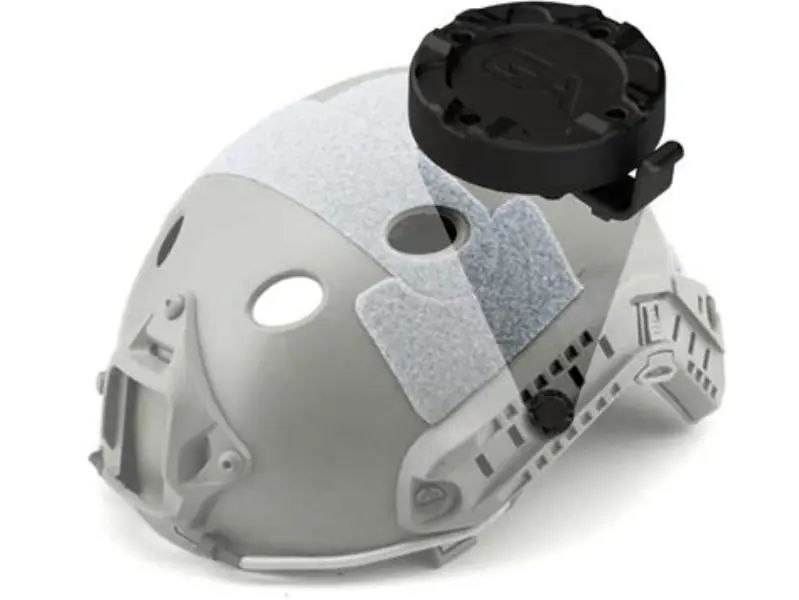
The strength required to alter these domains is above what common household magnets or phone holders emit, as those produce weak and inconsistent fields insufficient to erase or scramble data. We go through do helmet mounts erase cards step by step elsewhere on the site.
The magnetic stripe is made up of tiny ferromagnetic particles coated in iron oxide or a similar compound. Each particle's magnetic orientation represents binary data, but this pattern is read through changes in magnetic flux rather than static polarity, which helps reduce errors from weak external fields. This encoding method means that exposure to low-intensity magnets results in negligible disturbance since the minimum flux change to alter data is relatively high. For example, a fridge magnet at about 20 gauss cannot generate sufficient flux variation to flip the magnetic domains, preserving card data integrity.
| Track Number | Data Capacity (characters) | Encoding Method |
|---|---|---|
| Track 1 | 79 alphanumeric | 7-bit encoding with start/stop sentinels |
| Track 2 | 40 numeric | 5-bit numeric encoding |
| Track 3 | variable | Various encodings for specific uses |
Do magnets ruin credit cards
Damaging a credit card's magnetic stripe requires exposure to a magnetic field exceeding approximately 300 gauss for several seconds to minutes. This is roughly the minimum field strength to realign or demagnetize the tiny particles storing information.
Typical small magnets, fridge magnets, or wallet clasps generally emit between 10 and 50 gauss, far below this threshold, meaning casual contact or carrying a card near such magnets will not ruin it. People in this spot often ask about are magnets bad for credit cards as well.
Some rare or industrial magnets, like neodymium magnets over 1 inch in diameter, can reach thousands of gauss and pose real risks if brought in close, sustained contact with a card's stripe.
The risk grows with proximity and exposure time. Brief exposure to strong magnets may cause no damage, but repeated or prolonged contact increases the chance of data loss.
Cards with damaged stripes usually fail to read in standard card readers but may still function with chip or contactless features if available. People in this spot often ask about iPhone 15 Pro Max card shield as well.

Digital Gaussmeter/Tesla Meter Magnetic Field Tester
Checks magnetic field strength up to 2000mT (20000 gauss) with ±5% accuracy, suitable for detecting fields that might damage credit cards.
Do magnets erase credit cards
Magnetic erasure of credit cards occurs when an external magnetic field of sufficient strength realigns the stripe's magnetic domains, erasing the encoded data.
The threshold field strength for erasure is about 300 gauss, depending on exposure time and angle. Stronger magnets or longer exposure times produce more complete erasure.
In practice, most consumer magnets, including those in phone mounts and wallets, do not reach this strength and cannot erase credit card data.
Electromagnetic fields from devices like phones or earbuds do not cause erasure either, as their fields are transient and weak compared to this threshold.
If you suspect a card has been erased, test it in multiple readers or try the chip/contactless option if available before replacing it.
In a practical scenario, a neodymium magnet with a 1 inch diameter can produce around 1000 gauss at its surface. If a credit card is held against this magnet for over 10 seconds, the stripe may begin to lose data integrity. However, if the exposure is brief (say a couple of seconds) the damage is often minimal or non-existent. Testing a card after suspected exposure involves swiping it through multiple magnetic readers; consistent read failures indicate magnetic erasure. If the card supports chip or NFC transactions, these can serve as a fallback while awaiting a replacement card.
Magnets damage credit card data only above 300 gauss, far stronger than typical phone mounts, making everyday magnetic holders safe.
Do magnetic wallets ruin credit cards
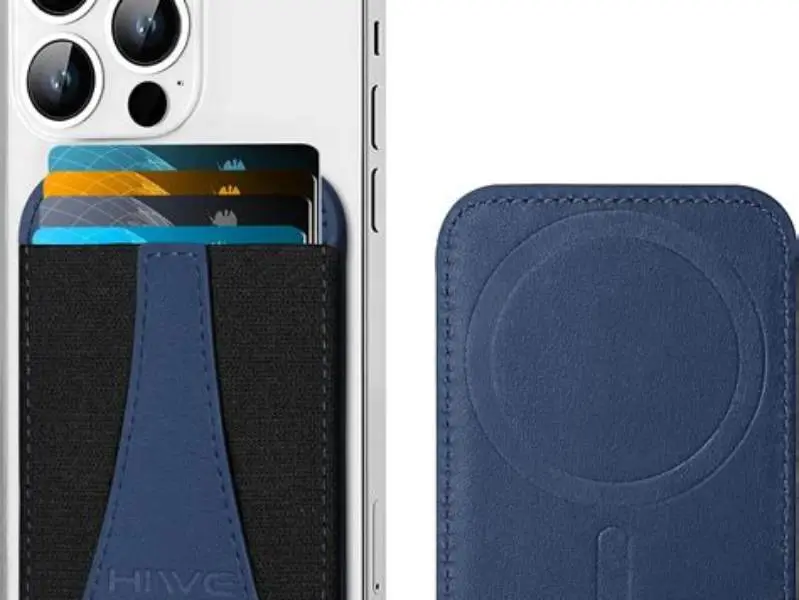
Magnetic wallets often incorporate shielding materials such as foil or layers designed to block or redirect magnetic fields away from stored cards.
This shielding reduces exposure to external magnetic fields that might otherwise damage the card stripe, effectively protecting against accidental erasure from everyday magnets.
While some magnetic closures could theoretically expose cards to their own fields, the field strength produced is usually too low to cause damage and is mitigated by the wallet's design.
Users report few if any cases of credit card damage from magnetic wallets under normal usage conditions, suggesting these products are safe for protecting card data.
If you want extra assurance, check for wallets advertised as 'RFID blocking' or 'magnetic shielding' and verify user reviews for durability and protection.
Some magnetic wallets use a double-layer design: one layer contains a magnetic closure while the inner layer incorporates metal shielding that redirects magnetic fields away from the cards. This design means that even though a magnet is present, the effective field strength at the card surface often falls below 50 gauss, well under the damage threshold. For example, a wallet with a 100 gauss magnetic clasp may reduce the field reaching the card stripe to under 10 gauss due to shielding. Users who still feel unsure can test the wallet by measuring field strength inside with a small gauss meter or by monitoring card performance over time.
How strong a magnet causes credit card damage
Magnet strength is measured in gauss. Damage to credit cards begins at roughly 300 gauss, with stronger fields causing more rapid and complete erasure of magnetic data.
Common magnets like fridge magnets measure around 10-50 gauss, which is insufficient to cause damage even with prolonged proximity.
Rare-earth magnets such as neodymium magnets, used in some phone mounts or tools, can exceed 1000 gauss at the surface, posing a real risk if cards are kept in direct, close contact for prolonged periods.
Magnet strength falls off quickly with distance: moving a card just one or two centimeters away from a strong magnet reduces exposure dramatically, often below the damage threshold.
Therefore, placement and distance from strong magnets are critical factors in preventing card damage.
To check magnet strength near your cards, small handheld magnetometers or gauss meters are affordable tools that measure field strength and help assess risk.
Do magnets interfere with credit cards
The question 'do magnets interfere with credit cards' depends on magnet strength, type, and exposure time.
Magnets do not interfere with chip or contactless credit card functions as these rely on embedded microchips and NFC, not magnetic stripes.
Magnetic interference risk applies only to the magnetic stripe and requires fields above 300 gauss sustained long enough to realign magnetic domains.
In everyday scenarios such as magnetic phone mounts, gym lockers with small magnets, or magnetic wallets, interference is negligible because these devices emit weaker, inconsistent magnetic fields below the erasure threshold.
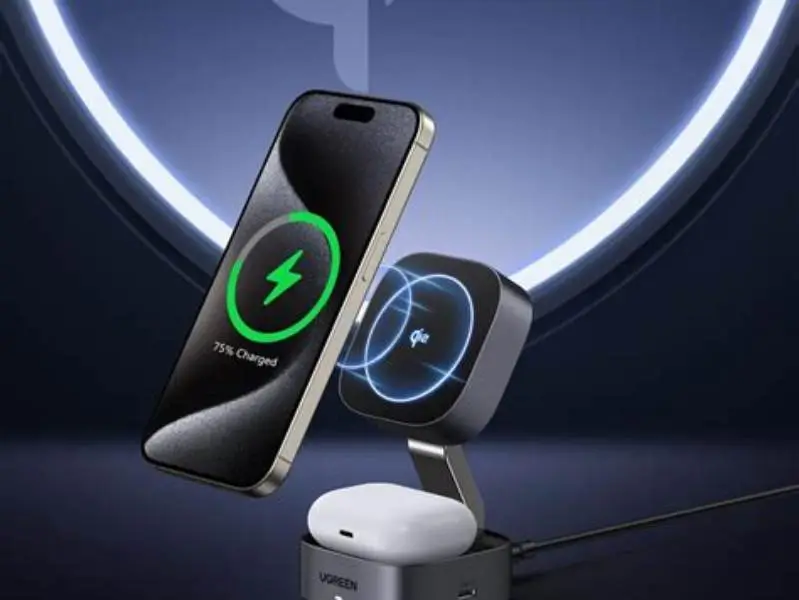
If your phone mount uses standard MagSafe or Qi2 magnets, the field strength at the card's location is typically under 50 gauss, which is safe and will not interfere with or erase credit card data.
To be sure, keep credit cards separated from magnets by wallets or cases, and avoid direct contact with large rare earth magnets.
Another factor affecting magnetic interference is the card's orientation relative to the magnetic field. Because the magnetic stripe encodes data in flux transitions along its length, fields aligned perpendicular to the stripe are less likely to cause damage than those parallel to the stripe. For instance, a magnet placed edgewise near the stripe might induce weaker domain changes compared to a flat placement over the stripe. This orientation effect means that casual proximity often lacks the proper alignment to cause erasure, further reducing everyday risk.
| Magnet Type | Typical Strength (Gauss) | Interference Risk |
|---|---|---|
| Fridge Magnet | 10-50 | Negligible |
| Phone Mount Magnet (MagSafe, Qi2) | 10-50 | Negligible |
| Small Neodymium Magnets | 100-1000+ | Possible if close and prolonged |
| Large Industrial Magnets | 1000+ | High risk with proximity |
FAQ
Can a credit card get damaged just by being near my phone?
No. Phones contain weak magnets generally below 50 gauss, far too weak to damage a credit card's magnetic stripe, even if stored together briefly.
If my credit card stops working after using a magnetic wallet, what should I do?
Test it in multiple readers to confirm damage. Replace the card if it consistently fails. Choose wallets with proper magnetic shielding to avoid future risks.
Are contactless or chip cards affected by magnets?
No. These cards use embedded chips or NFC technology, which are not affected by magnetic fields, only the magnetic stripe is vulnerable.
How can I measure if a magnet near my cards is dangerous?
Use a handheld gauss meter to measure the magnetic field strength. Values below 300 gauss are generally safe for magnetic stripes.
Does wrapping a card in foil protect it from magnets?
Aluminum foil offers minimal shielding against magnetic fields. Specialized magnetic shielding materials in wallets provide better protection.