Will a magnet or phone wallet erase your credit card's magnetic strip?

Magnets in typical phone wallets or mounts are not strong enough to erase credit card magnetic strips. Damage happens only with very strong magnets placed close and long enough. Regular gym or car magnetic mounts won't harm your cards.
On this page (8 sections)
Part of our guide on magnetic mounts and overheating
Fast facts
- Credit card strip
- magnetic particles
- Phone wallet magnets
- <100 gauss typical
- Damage threshold
- several hundred gauss
- Exposure time
- minutes or longer
- Typical gym magnets
- safe range
- Distance for safety
- several centimeters
Remember this
- Credit cards use magnetic strips with tiny magnetic particles.
- Typical phone wallet magnets are below 100 gauss and usually safe.
- Damage requires stronger magnets, over several hundred gauss applied closely.
- Keep cards away from rare-earth magnets or industrial magnets.
- Test your magnetic wallet's strength to be sure if unsure.
Are magnets bad for credit cards

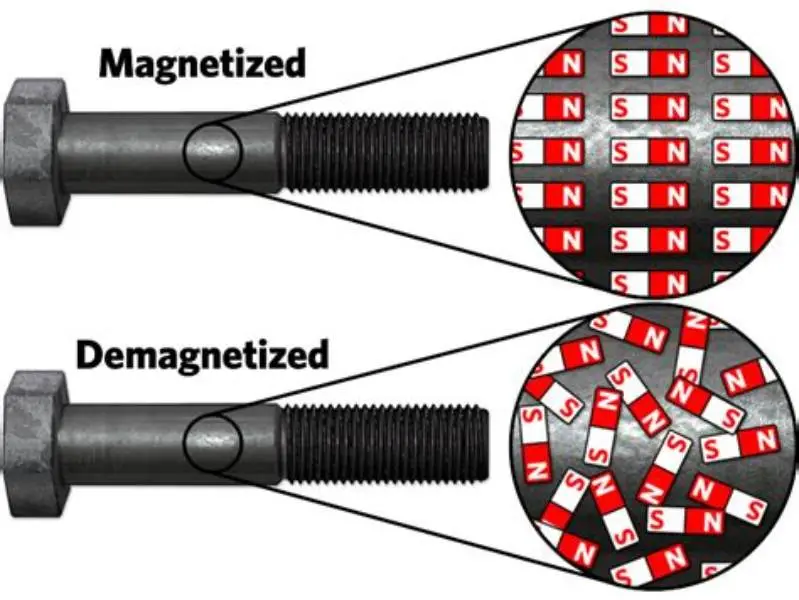
Credit cards store data on a magnetic strip made of tiny iron oxide particles arranged in a pattern. This data represents your card number and security information.
Strong magnets can rearrange or erase these particles, corrupting the data. However, the magnets needed are considerably stronger than those found in everyday phone wallets or mounts.
Typical magnets in gym or car phone mounts measure under 100 gauss at the surface, often with the card several centimeters away. Such magnetic fields rarely affect the strip given the short exposure.
Magnets vary widely in strength depending on their type and size. Neodymium magnets, common in phone wallets, can produce fields from 100 to 1,000 gauss at the surface. But the field strength drops sharply with distance; a card a few millimeters away feels much less. If that sounds like your situation, read up on magnet interference with cards next.
Credit card magnetic strips are designed to withstand everyday magnetic fields like those from computer speakers or fridge magnets, which are under 50 gauss. Damage from these is extremely rare unless the card is physically damaged or exposed to a very strong field for a long time.
Magnetic strip data corruption can also happen if the card is exposed repeatedly to moderate fields over years, but even then, it usually takes years of poor handling. Most damage reported comes from industrial or medical equipment magnets, not daily personal items.
Do phone wallets demagnetize credit cards
Phone wallets use small magnets to hold the case closed or attach to mounts. These magnets are often neodymium but designed with strength limits to avoid interfering with cards or phones. If that sounds like your situation, read up on when mounts can affect card data next.
Short-term contact or proximity in a phone wallet rarely causes damage because the magnets' fields are weak compared to what causes strip erasure.
If a wallet uses unusually strong magnets or stacks multiple cards close to the magnets, risks rise. Damage depends on magnetic field strength, exposure time, and card placement orientation.
Some phone wallets use magnets placed strategically to avoid the magnetic strip area on cards. This design minimizes risk even if the magnets are relatively strong. People in this spot often ask about iron workout plate glued to case will it demagnetize cards as well.
If you keep multiple cards stacked in a wallet with magnets, the combined effect of several magnets can increase the field strength near the strips. This stacking sometimes causes issues, so avoid tightly stacking cards in such wallets.
Phone wallets with a leather or fabric layer between magnets and cards provide additional shielding. This reduces the effective magnetic field reaching the strip, lowering risk even further than the magnetometers might suggest.

AC/DC Gaussmeter Magnetic Field Strength Meter Teslameter Magnetometer
Measures magnetic fields up to 30000 Gauss, well above the 200 Gauss needed to check wallet magnet safety.
How strong must a magnet be to damage a credit card
Erasing a credit card's magnetic strip requires a magnet field above several hundred gauss. Rare-earth magnets used in household items can exceed this but typically need close contact and sustained exposure.
Exposure times of several minutes or more are usually needed. A quick pass or short contact seldom causes damage.
Industrial magnets used in MRI machines or heavy machinery easily exceed this threshold and can erase strips instantly, but such magnets are rare in everyday environments.
A neodymium magnet of about 1 inch diameter and half-inch thickness can produce 400 to 1,200 gauss at the surface. Holding such a magnet directly against a card for a few minutes can erase or scramble the data.
For example, a 1-inch cube neodymium magnet rated around 1,300 gauss can wipe a strip in under 60 seconds if pressed directly. But if the card is 5 millimeters away, the field drops below 100 gauss and usually won’t cause damage.
Most household magnets fall below 200 gauss at the surface and rely on brief incidental contact, not prolonged exposure. That’s why damage from typical phone wallet magnets is so rare despite their strength.
| Magnet Type | Typical Strength (gauss) | Damage Risk | Common Use |
|---|---|---|---|
| Phone wallet magnet | 20-100 | Negligible | Case closure, mounts |
| Neodymium fridge magnet | 50-200 | Low, with close contact | Home fridge |
| Industrial magnet | 1000+ | High | MRI, machinery |
| Magnetic stripe eraser (demagnetizer) | 300-1000 | High | Card security |
Most phone wallets use magnets too weak to harm credit card strips, but rare strong magnets and close contact can erase card data.
How to check if your magnetic phone wallet is safe
You can measure your phone wallet’s magnetic field strength using a hand-held magnetometer or a smartphone app with a magnetometer sensor. Compare readings at the card contact point.
If measurements exceed 100 gauss near where a card sits, risk of damage increases. Test multiple spots as field strength varies across the wallet.
Testing lets you prevent damage by repositioning cards or using a different wallet. Apps are widely available and inexpensive or free.
Repeat testing at different spots helps because magnet fields can vary sharply even a centimeter apart. Some phone wallets have magnets clustered near the edges, meaning cards placed away are safer.
If you find pockets in the wallet with fields near or above 100 gauss, consider placing non-magnetic items like ID cards or receipts there to shield the credit cards.
Testing also helps decide if you need a wallet with a built-in magnetic shield layer. Some manufacturers add magnetic shielding foil to block stray fields, which can protect cards even if magnets are strong.
- Download a magnetometer app or buy a hand-held magnetometer.
- Place the phone wallet on a flat surface.
- Hold the sensor near the card slot area inside the wallet.
- Record the gauss reading; note the maximum value.
- If over 100 gauss, avoid storing magnetic strip cards there.
What to do if you suspect your credit card is demagnetized
Signs of demagnetization include cards not working in card readers or requiring multiple swipes.
Try wiping the card gently and testing again as dirt can sometimes mimic damage.
If the card remains unreadable, contact your bank for a replacement. They can issue new cards with undamaged strips.
Avoid placing new cards near strong magnets in the future to prevent repeat issues.
- Test card in multiple machines to exclude reader faults.
- Use a magnetic strip reader if available to check data integrity.
- Replace cards damaged by magnets promptly to avoid transaction failures.
Are magnets bad for credit cards
The simple answer: magnets are bad only if strong and close enough. Most phone wallets use weak magnets, safe at typical use distances.
If you regularly use rare-earth magnets in phone mounts or wallets, make sure cards stay clear or are shielded.
The basic rule: weak magnets less than 100 gauss at the card’s location do no harm; above that, risk rises with exposure time.
Gym-goers or bikers using magnetic mounts will rarely face card damage unless the mount's magnet is unusually powerful or cards are stored against it.
FAQ
Can a magnetic phone case erase my credit card?
A magnetic phone case typically uses magnets under 100 gauss and won’t erase credit card strips if cards aren’t stored inside it. Keep cards separate or test magnet strength to be sure.
What types of magnets cause credit card damage?
Magnets stronger than about 300 gauss, such as industrial or rare-earth magnets in close contact for minutes, can damage the magnetic strip. Everyday fridge magnets or phone wallet magnets are usually too weak.
How can I protect my credit cards from magnets in phone wallets?
Store cards in a non-magnetic sleeve or separate compartment away from magnets. Testing the wallet’s magnetic strength helps decide if this is necessary.
Is demagnetization permanent or reversible?
Damage to the magnetic strip is permanent. Once erased or corrupted, the card must be replaced because data recovery isn’t possible.
Are RFID or chip cards affected by magnets?
No, RFID and chip cards use different technology and aren’t damaged by magnets. Only the magnetic strip is vulnerable to strong magnetic fields.