Will a magnetic helmet mount erase or demagnetize your cards?

Typical magnetic helmet mounts have fields under 100 mT, well below the 100-300 mT needed to erase magnetic stripe cards. Cards need prolonged exposure very close to stronger magnets to demagnetize.
On this page (8 sections)
- Remember this
- How magnetic helmet mounts generate fields
- Strength of fields needed to demagnetize magnetic stripe cards
- Comparison of helmet mount magnets to those thresholds
- What types of cards are vulnerable
- Practical advice on card placement near helmet mounts
- Will a magnetic helmet mount demagnetize cards
- FAQ
Part of our guide on magnetic mounts and overheating
Fast facts
- Helmet mount magnet
- < 100 mT
- Demagnetize threshold
- 100-300 mT
- Card types vulnerable
- Magnetic stripe
- Safe distance
- > 5 cm
- Exposure time
- Minutes to hours
Remember this
- Magnetic helmet mounts usually emit less than 100 mT field strength.
- Magnetic stripe cards demagnetize at around 100-300 mT exposure.
- Contact with strong magnets inside cases or wallets is riskier than helmet mounts.
- Keep cards a few centimeters away from magnetic mounts to avoid damage.
- Use a magnetic field tester if unsure about your helmet mount’s strength.
How magnetic helmet mounts generate fields
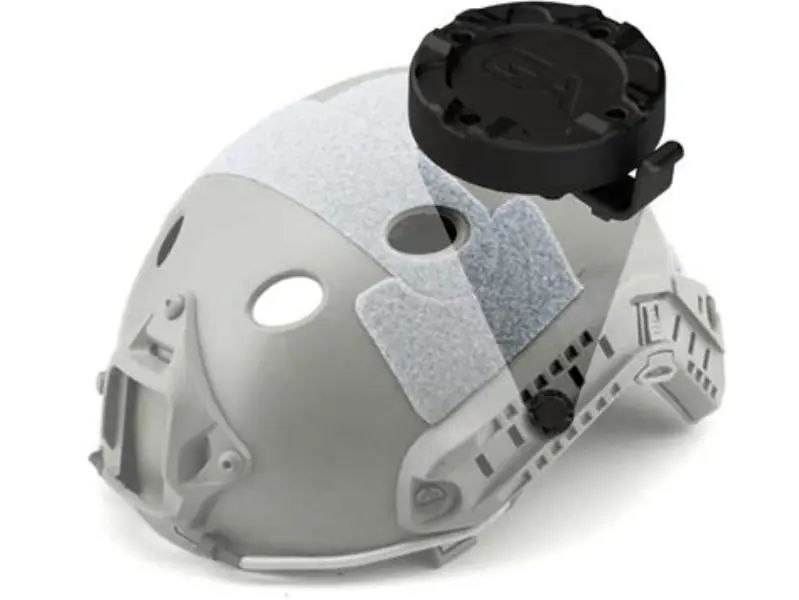
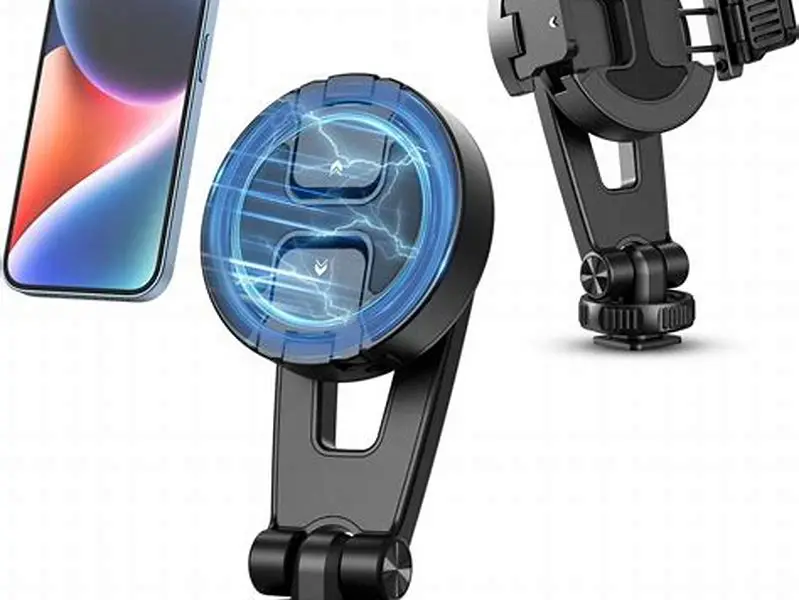
Magnetic helmet mounts use permanent magnets, usually neodymium. These magnets create fields to hold phones securely against mounts on helmets.
Field strength peaks near the magnet’s surface and falls sharply with distance. Most helmet mount magnets produce between 50 and 100 mT at the surface.
The shape and size of magnets affect field shape, but all rely on strong, compact fields to hold a phone through helmet fabrics and cases.
Magnetic mounts generate constant static fields, not pulses or fluctuating ones. This steady field interacts with nearby magnetic materials. The other half of this decision is iphone 15 safe magnetic helmet mounts.
Some helmet mounts use multiple small magnets arranged to create stronger attachment points. This can create complex field patterns with localized peaks near the magnet edges. However, these peaks still fall off sharply just a centimeter away.
Magnetic field strength is measured in milliteslas (mT). At 1 cm from a strong neodymium magnet in a helmet mount, typical fields are about 80-100 mT. At 5 cm, fields drop to around 5-10 mT, too weak to affect cards.
When testing magnetic helmet mounts, the field is steady, not pulsing. Pulsed fields can cause different effects on magnetic media, but helmet mounts only generate a static field. This steadiness means damage depends on field strength and exposure time. For the detail, see our notes on magnets affect credit cards.
Strength of fields needed to demagnetize magnetic stripe cards
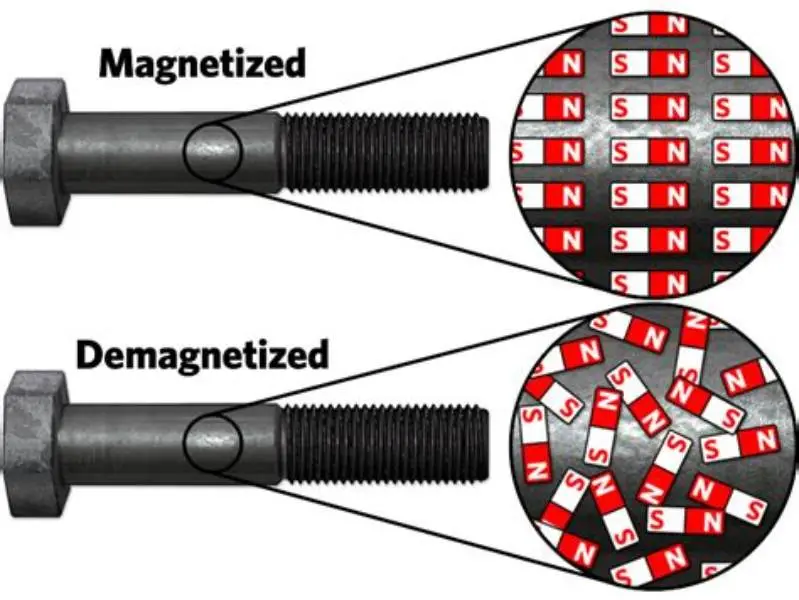
Magnetic stripe cards rely on tiny magnetic domains aligned along the strip. Disrupting these domains erases or corrupts stored data.
Demagnetization usually requires fields of at least 100 mT. Strong permanent magnets near or exceeding 300 mT can cause immediate data damage.
Exposure duration matters. Brief, incidental exposure at low fields rarely causes harm; minutes to hours near strong fields lead to damage. People in this spot often ask about effects of iron plate on card stripes as well.
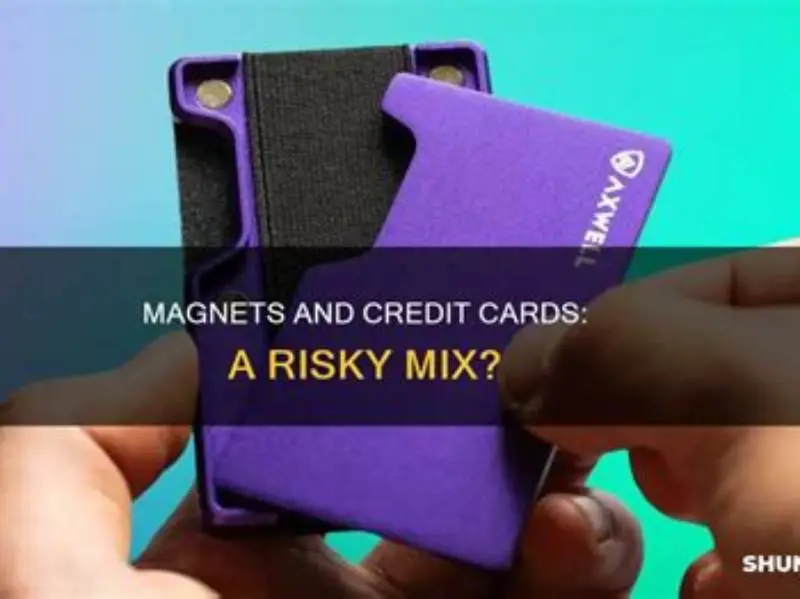
Stronger fields than typical helmet mounts come from large speaker magnets or industrial magnets. Everyday magnetic wallet closures may exceed helmet mount field strengths.
The 100-300 mT range needed to erase cards varies by card quality and stripe composition. Some older or cheaper cards have stripes that demagnetize at closer to 100 mT, while high-quality cards resist fields up to 300 mT.
Exposure time matters: a 150 mT field may need 10 minutes or more to cause damage, but a 300 mT field can erase data in seconds. Helmet mounts produce lower fields, so damage would require impractical exposure times.
To confirm card safety, test by holding a magnet near a spare card for several durations. If the card still reads after 10 minutes at 150 mT, helmet mount exposure at lower fields is safe.
Comparison of helmet mount magnets to those thresholds
Helmet mount magnets generally produce fields under 100 mT at their surface, less at a few centimeters distance where you might keep cards.
Magnetic cards require 100-300 mT for damage, so helmet mount fields usually don’t reach the critical level.
Some helmet mounts with larger or multiple magnets can exceed 100 mT at the surface but only in direct contact zones.
Real risk appears only if cards touch the magnet or get within a few millimeters for extended periods. This is rare in normal helmet use.
At direct contact, some helmet mounts can exceed 100 mT, but only over very small surface areas. Cards mostly touch helmets or cases, not magnets directly, reducing risk.
Helmet mounts with multiple magnets or larger magnets can create fields up to 120 mT at the surface. Cards placed even a few millimeters away see a sharp drop to under 50 mT.
A practical test is to place a card on the magnet surface for 30 minutes. If it still reads correctly, the mount’s field is safe. This simulates a worst-case scenario beyond normal use.
| Source | Field strength (mT) | Exposure to damage risk |
|---|---|---|
| Typical helmet mount | < 100 | Very low |
| Magnetic stripe card demagnetization threshold | 100-300 | High risk |
| Magnetic wallet closures | 50-200 | Moderate risk with contact |
| Large industrial magnets | 300+ | High risk |
Typical magnetic helmet mounts produce fields too weak to demagnetize magnetic stripe cards, but careful placement avoids rare risks.
What types of cards are vulnerable
Magnetic stripe cards like many credit, debit, access, and hotel key cards are vulnerable to magnetic fields strong enough to disrupt their data.
Chip cards (EMV) and contactless cards (NFC) are unaffected by magnetic fields because they store data electronically or via radio waves.
Transit passes or older loyalty cards with magnetic stripes can be damaged if exposed near strong magnets for minutes.
ID badges or cards with magnetic stripes are also vulnerable but usually have less sensitive encoding than payment cards.
Some hotel key cards use low-coercivity magnetic stripes that erase under weaker fields, around 80 mT. These cards are more vulnerable than credit cards.
Gift cards or store cards with magnetic stripes vary widely in sensitivity. Some use durable stripes, others do not. Check by testing with a small magnet before prolonged exposure.
Magnetic cards embedded in wristbands or bracelets usually have protective layers that shield stripes from fields up to 50 mT. Such cards tolerate helmet mount magnets better.
Practical advice on card placement near helmet mounts
Avoid placing magnetic stripe cards in pockets or wallets that sit directly on helmet mounts. Direct contact is the main risk.
Keep cards at least 5 centimeters away from helmet magnets. Fields drop below 10 mT at this range, safe for cards.
Use a thin non-magnetic barrier like leather or plastic between cards and helmet magnets to reduce field strength.
Test your helmet mount’s magnetic field with a handheld magnetic field meter if you often carry cards near it.
Metal helmet parts near magnets can distort magnetic fields, creating hotspots. Avoid placing cards between magnet and metal parts, which can increase field exposure.
Leather or plastic card sleeves reduce field strength by about 10-20%. This small drop can be enough to keep fields under safe limits.
If you carry multiple cards near a helmet mount, separate them with non-magnetic dividers. Layers of cards can concentrate fields and increase risk of damage.
- Distance - maintain >5 cm gap between card and magnet
- Barriers - use wallets or sleeves to shield cards
- Testing - employ magnetic field meter to measure exposure
- Storage - avoid direct contact in pockets or straps near mounts
Will a magnetic helmet mount demagnetize cards
Typical magnetic helmet mounts do not demagnetize cards under normal use. Their fields rarely exceed 100 mT, below levels that cause damage.
Cards only risk damage if they touch the magnet directly or stay very close to it for extended periods. This is unlikely when carrying cards in wallets or pockets.
If you carry cards near a magnetic helmet mount regularly, test the field strength first. This ensures field exposure stays below the demagnetization threshold.
Magnetic helmet mounts pose minimal risk to cards if proper distance or barriers are used.
If you notice cards intermittently failing to read after use near a helmet mount, check if they were pressed tightly against the magnet. This indicates possible demagnetization.
Replacing a demagnetized card usually involves contacting the issuer. Regularly testing cards with a card reader can catch damage early before it causes transaction failures.
For peace of mind, avoid storing magnetic cards in helmet bags or pouches that include magnetic mounts. Use separate compartments away from magnets.
FAQ
Can magnetic phone mounts in cars demagnetize cards?
Car magnetic mounts generally have similar or weaker magnets than helmet mounts. They also pose low risk unless cards touch the magnet directly.
Are magnetic wallets safer for cards than helmet mounts?
Magnetic wallets can expose cards to stronger fields because cards are very close to the magnets for long periods, increasing damage risk.
How can I test if my helmet mount magnet will harm my cards?
Use a handheld magnetic field meter to measure field strength near where you store cards. Keep exposure below 100 mT.
Do RFID or chip cards get damaged by magnetic fields?
No. RFID and chip cards rely on electronic circuits and radio waves, so magnets do not affect them.
How long does it take for a magnetic field to demagnetize a card?
Damage timing varies but usually requires minutes to hours of exposure to strong fields above 100 mT.