How to attach a lanyard to your phone or phone case securely

Thread the lanyard through the built-in loop on your case if it has one, or attach an adhesive patch with a metal eyelet to the back of the phone or case. For a permanent solution, swap to a case designed with lanyard holes at the bottom corners.
On this page (8 sections)
- Remember this
- Cases with lanyard loops: the clean permanent option
- Adhesive patches: when your case has no loop
- How to attach lanyard to phone case with no hardware at all
- Using split rings and swivel clips for easier detachment
- Lanyard options for iPhone with MagSafe
- Android and iPhone differences in case design
- FAQ
Part of our guide on phone mount for 2 inch squat rack tube
Fast facts
- Adhesive cure time
- 24 hours before load
- Patch weight limit
- typically 300-500 g
- Loop diameter needed
- 4-6 mm for most cord
- Case swap cost
- $8-25 for lanyard-ready case
- Split ring size
- 8-10 mm works for phones
Remember this
- Cases with built-in lanyard loops let you thread cord through without adhesive or tools
- Adhesive patches work on bare phones and smooth cases but fail on textured or silicone surfaces
- Split rings distribute weight better than knotting cord directly through small eyelets
- iPhone users can loop cord through MagSafe-compatible rings that also enable magnetic mounts
- Android case selection varies widely by model, so measure your phone before ordering
Cases with lanyard loops: the clean permanent option
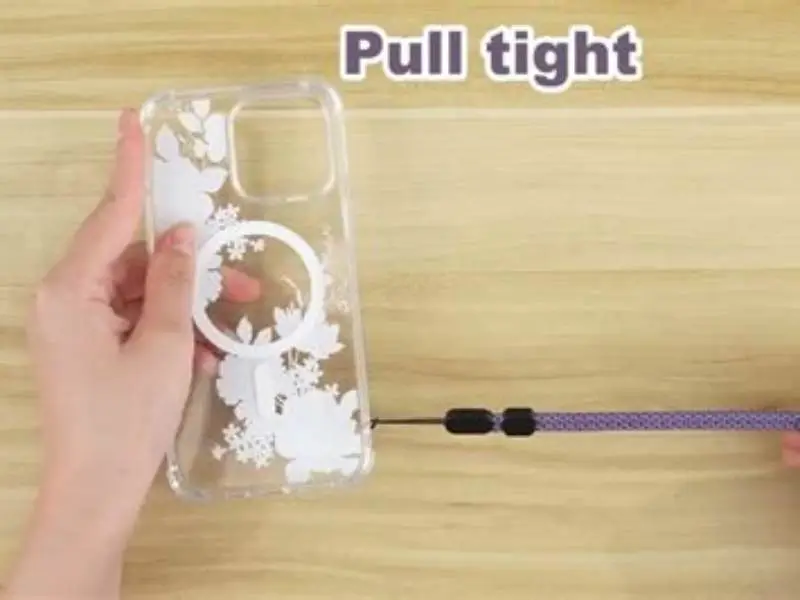
Many protective cases now ship with a small reinforced loop molded into one corner, or a fabric strap sewn through two bottom eyelets. These loops sit flush when not in use and hold 200-400 g comfortably, more than enough for any phone. You thread the lanyard cord through the loop, tie a stopper knot or attach a lobster clasp, and you're done. No adhesive, no tools, no wait time.
The loop is usually at the bottom-left or bottom-right corner, positioned so the phone hangs upright when you wear it. Some designs use a single metal-reinforced grommet instead of a fabric loop; both work the same way. Check that the loop diameter is at least 4 mm so standard paracord or woven lanyards pass through without forcing. Thicker climbing-style cord often needs 6 mm or more.
If your current case lacks a loop, replacing it is the most reliable long-term fix. Lanyard-ready cases for popular models like the iPhone 14, 15, and Samsung Galaxy S23 or S24 cost $10-25 and offer the same drop protection as standard cases. For older or less common Android models, selection thins out; you may need to hunt through third-party sellers or settle for a generic fit.
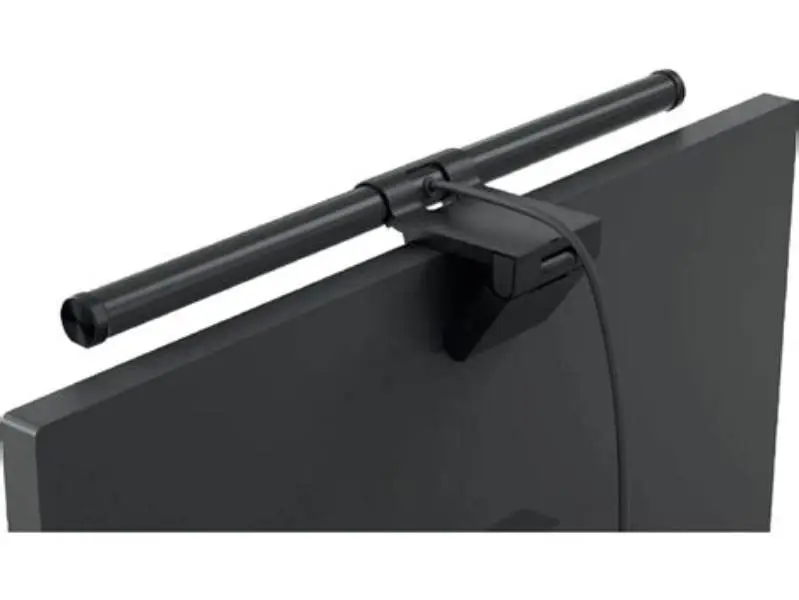
Once the case is on, threading the lanyard takes seconds. Pass the cord through the loop from back to front, fold it back on itself, and tie a simple overhand knot with a stopper bead to prevent slippage. If you prefer quick-release, use a small lobster clasp instead of knotting directly. The clasp adds 15-20 mm of length but lets you detach the phone without untying anything. The other half of this decision is Crest monitor clamp mount light bar.
Adhesive patches: when your case has no loop
An adhesive patch is a thin polymer disc or rectangle with a metal eyelet on one side and 3M VHB or equivalent adhesive on the other. You peel the backing, press it onto the back of your phone or case, wait 24 hours for the adhesive to cure, then thread your lanyard through the eyelet. The patch becomes a permanent anchor point that holds 300-500 g when properly applied, enough for phones up to about 250 g with some safety margin.
Patches work best on smooth, non-porous surfaces: bare glass phone backs, hard polycarbonate cases, or smooth TPU. They fail on textured silicone, soft-touch rubber, or any surface treated with oleophobic coating that hasn't been cleaned with isopropyl alcohol first. Wipe the attachment area with 70% or higher isopropyl, let it dry completely, then apply the patch without touching the adhesive side. Press firmly for 30 seconds and leave the phone face-down with weight on the patch overnight.
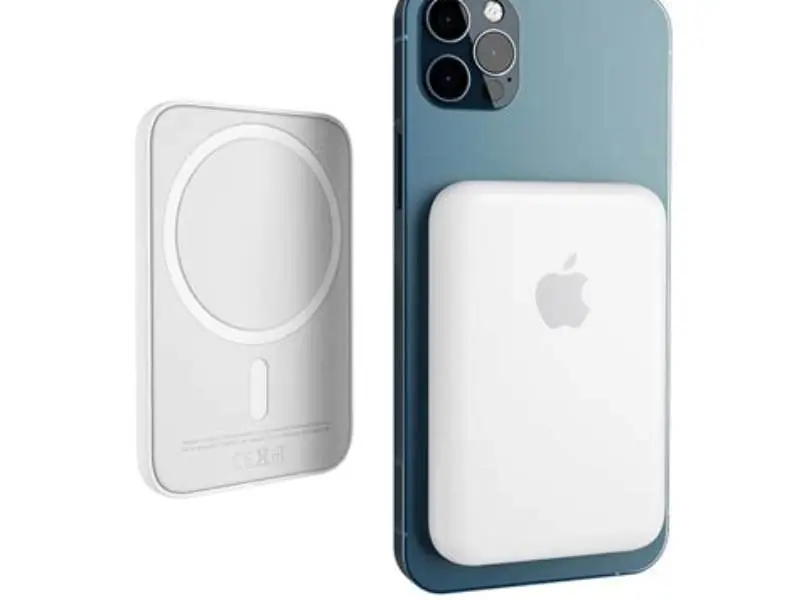
The eyelet itself is usually 4-6 mm in diameter, large enough for paracord or woven nylon but too small for climbing rope or thick leather straps. Some patches use a D-ring instead of a round eyelet; these distribute load better and reduce wear on the lanyard material. Position the patch off-center toward one edge rather than dead center; a centered patch makes the phone hang tilted when worn around your neck. Before you commit to anything, it is worth looking at using magsafe pack with mounts.
Patches eventually fail if the phone is dropped repeatedly or if you yank the lanyard hard. The adhesive is strong but not structural. We've had patches hold for six months of gym use with no issue, and we've seen them peel off after three weeks when applied to a silicone case that flexes constantly. If the patch starts lifting at one edge, remove it completely and apply a fresh one; re-pressing a partially detached patch just traps air and weakens the bond further.

Phone Lanyard Tab, Heavy Duty Tether Tab for iPhone & Android, Metal Lanyard
Supports your phone lanyard attachment with a heavy-duty metal tab rated for 44 lbs load capacity, ensuring secure hold without adhesives.
How to attach lanyard to phone case with no hardware at all
Loop a thin cord where the case has a channel. Cases with a screen lip that wraps the edge by 1-2 mm create that channel. Slip a 1-2 mm accessory cord under the lip at a bottom corner and bring both ends out together.
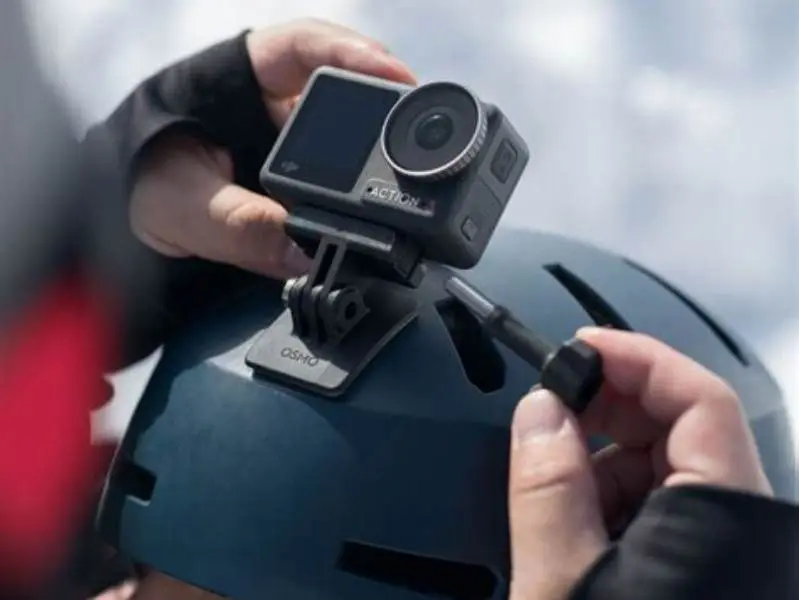
Tie a constrictor or double fisherman's knot with the two ends. Keep the knot tight against the case edge so it can't work free. Leave about 10 mm of tail past the knot to allow for a little slippage over months. We go through how to mount action camera on bicycle helmet step by step elsewhere on the site.
Expect lateral stress. Soft TPU cases will lift slightly at the knot point over time. Rounded-edge or zero-lip cases give no purchase and will let the cord slip off.
If a charging-port or camera cutout is large enough, pass the cord through that opening and knot it outside the case. That routes load through the case body instead of relying on friction under the lip.
A sturdier trick uses an oversized side-button cutout. Feed a 6-8 mm split ring through the cutout, close it, then loop your lanyard through the ring. The ring keeps the cord from slipping back through the narrow slot.
Treat these methods as provisional. They work for short sessions and low-impact use. Don't rely on them for fast motion, climbing, or heavy impact.
Most phone cases weren't designed for lanyards, but three methods work reliably without drilling holes or voiding warranties.
Using split rings and swivel clips for easier detachment
A split ring is a double-coil metal loop like a keyring. Use one sized 8-10 mm to handle phone weight and reduce cord wear at the eyelet.
Open the ring by slipping a fingernail between the coils. Spiral the case eyelet or adhesive patch onto the ring, then close it. Once seated, the ring stays put until you remove it deliberately.
Attach your lanyard to the split ring with a larks head knot or a small lobster clasp. The ring rotates so the phone can spin without twisting the cord into a kink.
Add a swivel clip for quick detachment. The clip snaps onto the split ring and lets you swap lanyards fast. One end stays on the lanyard, the other on the ring.
Expect extra length and noise. A ring plus swivel adds about 20-30 mm and produces light metal-on-metal sound. Skip the hardware if you never detach and want the quietest, smallest setup.
If you knot the cord directly through the case loop, finish with a double overhand stopper knot. Leave 10 mm of tail to prevent the knot pulling through as the cord works.
- Split ring: opens like a keyring, rotates freely, reduces cord wear at the attachment point
- Lobster clasp: spring-loaded gate, quick release, adds
15 mmlength - Swivel clip: prevents twisting, ideal for switching lanyards, bulkier and audible
- Direct knot: lightest and quietest option, requires untying to remove
Lanyard options for iPhone with MagSafe
iPhones from the 12 series onward support MagSafe magnetic attachment. MagSafe rings snap to the phone or a MagSafe case and give you a removable lanyard loop.
Manufactured MagSafe rings use an embedded magnet array. Expect 8-12 N of magnetic force. That equals roughly 800-1200 g of static hold before sliding.
The rings add about 3-4 mm of thickness to the back of the phone. Walking and gym work are fine. Sudden shear or sharp impacts can make the ring slide or pop off.
If your case lacks MagSafe, a thin metal sticker recreates the magnet pattern. Aftermarket magnet stickers cost around $6-12. Stick one centered on the case and attach a MagSafe lanyard ring.
Test any MagSafe setup before trusting it in motion. Snap the ring on, hold the phone upside-down by the lanyard, and give it a light shake. If the ring slides, the magnet array is misaligned or the adhesion is weak.
MagSafe lanyard rings are handy and removable. Treat them like a useful convenience, not a fail-safe for high-impact or high-speed activities.
Android and iPhone differences in case design
iPhone cases are standardized because Apple releases a handful of models each year with consistent dimensions. Finding a lanyard-ready case for an iPhone 14, 15, or 16 takes one search and you'll have twenty options across different materials and colors. Android is fragmented; Samsung, Google, OnePlus, Motorola, and Xiaomi all have different body shapes, button placements, and camera bumps, so lanyard case availability depends entirely on which model you own.
Popular flagship Android phones like the Samsung Galaxy S23, S24, or Google Pixel 8 have decent case selection, and you can usually find at least two or three cases with lanyard loops or reinforced eyelets. Mid-tier and budget models, especially those sold in smaller markets, often have no lanyard-specific cases at all. In those cases your options are an adhesive patch or a universal pouch with a lanyard loop that the phone slides into, which adds significant bulk.
Universal pouches are the fallback when no fitted case exists. These are fabric or silicone sleeves with a drawstring or magnetic closure at the top and a reinforced loop at the bottom. The phone drops into the pouch, and you attach the lanyard to the loop. The downside is that you have to pull the phone out of the pouch every time you use it, which defeats the purpose if you're checking workout splits or changing music every few minutes. Pouches work better for phones you want to carry but not access constantly.
Another Android-specific issue is that some phones have curved rear glass that makes adhesive patches unreliable. The curve reduces contact area, and the patch lifts at the edges under load. If your phone has a curved back, skip the adhesive patch entirely and go straight to a case with built-in attachment points. Measure your phone's exact dimensions in millimeters before ordering; even a 1 mm difference in thickness can make a case that's supposed to fit refuse to snap on or leave gaps that allow dust intrusion.
| Phone type | Case selection | Best method | Fallback |
|---|---|---|---|
| iPhone 12-16 series | Abundant, MagSafe options | Case with loop or MagSafe ring | Adhesive patch |
| Samsung Galaxy S flagship | Good, 10+ lanyard cases | Case with reinforced eyelets | Adhesive patch on flat case |
| Google Pixel 7-9 | Moderate, 5-8 options | Case with corner loop | Adhesive patch |
| Mid-tier Android (OnePlus, Moto) | Limited, 1-3 options | Adhesive patch or universal pouch | DIY cord under case lip |
| Budget or regional Android | Rare to none | Universal pouch with loop | Adhesive patch on any smooth case |
FAQ
Can I attach a lanyard to a phone without a case?
Yes, with an adhesive patch that has a metal eyelet. Clean the back glass with isopropyl alcohol, press the patch on firmly, and wait 24 hours before loading it. The patch will hold 300-500 g if applied correctly. Be aware that removing it later may require heat and can leave residue.
Will a lanyard attachment interfere with wireless charging?
Adhesive patches placed off-center toward the edge usually clear the charging coil, which sits in the middle of the phone back. Cases with lanyard loops don't interfere at all because the loop is at the corner. Test charging with the attachment in place before committing; if it blocks the coil, move the patch 10 mm toward the edge.
How much weight can a phone lanyard loop hold?
Molded case loops handle 200-400 g comfortably, and most phones weigh 150-250 g, leaving margin. Adhesive patches are rated for 300-500 g but depend on surface prep and cure time. Split rings and swivel clips are stronger than the lanyard material itself and won't be the failure point.
What type of cord works best for phone lanyards?
Woven nylon or polyester cord 3-5 mm in diameter threads through most eyelets, resists sweat, and dries quickly. Paracord works but is stiffer. Avoid cotton or leather; both absorb moisture and stretch under load, which loosens knots over time.
Can I use the same lanyard setup for running or high-impact activity?
Only if the phone rides in a secured pocket or pack and the lanyard is a backup tether, not the primary hold. Lanyards alone can't absorb the shock of repeated bouncing or sudden stops. MagSafe rings will detach under sharp impacts, which prevents neck or wrist injury but also means the phone can fall.