How to check motorcycle forks for leaks, play, and smooth action

Check motorcycle forks by looking for oil leaks on stanchions, testing for smooth, resistance-free movement over 3-4 inches, and checking for lateral or vertical play at the triple clamps and axle.
On this page (8 sections)
Part of our guide on car mount holding phone in thick case
Fast facts
- Fork travel check
- 3-4 inches
- Play detection
- side-to-side & vertical
- Seal leak sign
- fresh fork oil
- Common fork wear
- stiffness or looseness
- Inspection tools
- flashlight, wrench
Remember this
- Inspect fork seals visually for fresh oil or dirt buildup.
- Compress forks smoothly over their travel to check damping.
- Test play by moving the front wheel side-to-side and up-down.
- Use basic tools like a flashlight and wrench for the inspection.
- Replace fork oil and seals if leaks or stiffness appear.
How to identify fork leaks
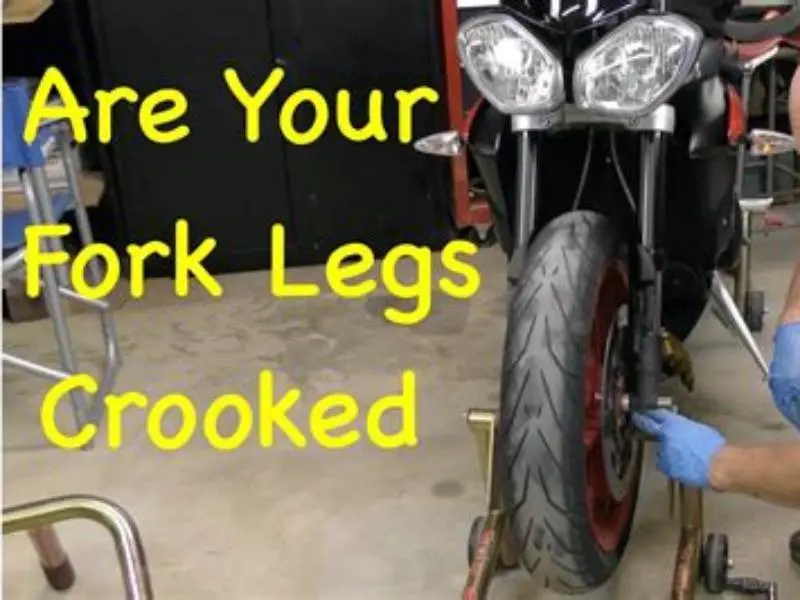
A clear sign of leaking forks is fresh oil on the stanchion tubes and around the fork seals, often mixed with dirt, forming blackish grime. This appears because fork oil escapes the seals as they wear or get damaged.
Check the lower legs of the forks just above the axle and around the dust seals. Dirt accumulation that looks wet or shiny is likely fork oil. Wipe it off and recheck after riding to confirm if oil reappears.
Leak size varies by severity. A small seep can cause damping problems eventually, while a heavy leak visibly drips oil. Independent of leak size, oil loss reduces damping and risks fork damage.
Look also for fork oil on the front wheel or brake components, which signals serious sealing failure. Oil on brakes can impair stopping power and requires immediate attention. We go through torque specs for engine mounts step by step elsewhere on the site.
How to check fork stanchion smoothness
Slide the front forks through at least 3 to 4 inches to test smooth action. The movement should feel even and free of catches or rough patches.
Stiffness or sticking during compression or rebound usually means dirt inside, worn seals, or collapsed damping components. Smoothness depends on clean oil and intact internals.
Perform the test by firmly compressing the front suspension while the bike stands on its wheels or a stand. Feeling inconsistent resistance or abrupt stops indicates wear or contamination. For the detail, see our notes on proper motorcycle mounting technique.
Forks that feel too loose or lack rebound resistance can mean oil has leaked or the damping cartridge is damaged. Both conditions reduce stability and ride comfort.
Test fork smoothness slowly and listen for unusual noises like clicks or scraping. These sounds often mean dirt or damaged internals.
If you notice roughness only in one fork, swap the fork legs side to side if possible. If roughness stays on the same leg, the problem is inside that fork. We go through action camera body mount comparison step by step elsewhere on the site.
Check for fork rebound by compressing and releasing slowly. The fork should extend smoothly without sudden snaps or hesitation. Jerky rebound points to oil contamination or worn damping parts.

AurLunUs Fork Seals Dust Seal Kit
Fits Honda Shadow VLX 600 VT600 and Nighthawk 700S models with oil seal size 39mm x 51mm x 8/11mm, ensuring compatibility for fork seal and oil replacement.
How to test for fork play or looseness
Fork play shows as lateral or vertical movement at the triple clamps or axle beyond normal free play. This looseness affects steering precision and control.
Hold the front wheel off the ground and grasp it at the 3 and 9 o'clock positions. Try to move it side to side. Detectable movement beyond minimal wiggle usually means worn steering head bearings or loose clamps.
Next, check for vertical play by pushing down on the forks and feeling for any knocking or free movement at the axle or lower triple clamp. Any clunking is a red flag.
Inspect the triple clamp bolts and steering stem for tightness with a torque wrench if available. Loose or worn parts require immediate service to prevent safety risks.
Play can also occur if fork bushings wear out. This wear shows as a slight knocking when compressing the suspension, even if the wheel seems tight.
Check for play by gripping the fork tubes above the triple clamp and trying to twist them. Any twisting or clicking is a sign of worn fork bushings or loose clamp bolts.
If you feel play but bolts are tight, inspect the steering head bearings. Loose or rough bearings cause similar symptoms and affect handling severely. Replace or adjust bearings as needed.
Step-by-step checks reveal leaks, play, and smoothness issues in motorcycle forks that can jeopardize safety and ride comfort.
Tools needed to inspect forks
Simple tools suffice for most fork inspections. A bright flashlight helps detect oil leaks and dirt buildup in shadowed fork areas.
A soft cloth or rag is needed to wipe oil and grime so you can observe fresh leaks after a short ride.
A torque wrench or appropriate spanners assist in checking and tightening bolts on the triple clamps and axle.
If you plan to measure play precisely, dial gauges or feeler gauges can quantify gaps but are usually not necessary for basic inspections.
For leaking forks, fork oil and seal replacement kits become essential once a problem is detected.
- Flashlight - reveals leaks and dirt
- Rag - cleans surfaces for inspection
- Torque wrench - checks bolt tightness
- Basic spanners - adjust clamps and axle
- Fork oil and seal kit - repairs leaks
Common signs of fork damage or wear
Look for visible fork tube scratches or corrosion, which damage seal surfaces and cause leaks.
Dented fork lowers or bent tubes impair fork action and may indicate previous impacts or crashes.
Fork oil contamination can alter damping feel, noticeable as a sticky or jerky fork compression.
Excessive fork dive under braking or a harsh ride hints at worn springs or oil breakdown inside.
Unusual noises like clunks or creaks while riding usually signal loose or damaged internal parts or bearings.
Fork springs weakened by age or heat lose preload, causing excessive dive during braking. Measure fork sag to assess spring health; more than 30% sag signals worn springs.
Rusty or pitted stanchions damage seals quickly, so keep the tubes clean and waxed to repel moisture.
Fork oil darkens with use and heats up, reducing damping effectiveness. Changing oil yearly or every 12,000 miles keeps forks responsive and prevents internal damage.
How to check motorcycle forks
Start by a clean visual inspection: wipe forks and look for fresh oil or damage. Ride the bike briefly so leaks show clearly.
Next, compress the forks 3-4 inches while feeling for smooth, resistance-free movement. Note any catches or stiffness.
Check wheel and triple clamp play by lifting the front wheel and testing side-to-side and vertical movement. Tighten bolts as needed.
If leaks or play appear, prepare to replace fork seals and oil. Follow fork-specific service manuals for fluid type and oil quantity.
Perform these checks regularly to catch wear before it affects safety or ride quality.
- Clean fork tubes and inspect for oil or damage.
- Compress forks 3-4 inches and feel for smooth travel.
- Lift front wheel; check side-to-side and vertical play.
- Inspect and tighten triple clamp and axle bolts.
- Replace fork seals and oil if leaks or stiffness appear.
| Symptom | Likely Cause | Action |
|---|---|---|
| Oil on stanchions | Leaking seals | Replace seals and fork oil |
| Stiff or jerky travel | Contaminated oil or worn internals | Service forks |
| Lateral play in front wheel | Loose clamps or worn bearings | Tighten or replace bearings |
| Bent or scratched tubes | Impact damage | Rebuild or replace forks |
FAQ
How often should I check my motorcycle forks?
Check forks visually and for play every few thousand miles or if handling feels off. Inspect seals after riding in wet or dusty conditions.
Can I ride with leaking forks temporarily?
Minor leaks reduce damping and can damage forks. Avoid riding long distances with leaks; fix seals and oil promptly.
What fork oil weight is best for smooth action?
Fork oil weight depends on bike type and rider weight. Consult your manual; typically between 5 and 15 weight units.
How do I know if fork seals need replacing?
Oil on fork tubes and poor damping indicate seal wear. If oil leaks persist after cleaning, replace the seals.
Are special tools required to replace fork seals?
Basic tools like wrenches and screwdrivers suffice. A fork seal driver tool eases replacement but is not always essential.