How to recycle plastic pouches: what your local bin will accept

Many plastic pouches are recyclable but only if they show certain recycling symbols and are clean and dry. Most curbside bins accept #2 or #4 plastics, but multilayer or foil-lined pouches often don’t. Check your local guidelines and drop off unrecyclable pouches at special collection points.
On this page (8 sections)
Part of our guide on magnetic pouch for steel equipment
Fast facts
- Common recyclable codes
- #2, #4
- Residue allowed
- None
- Curbside acceptance
- Varies by location
- Flattening needed
- Yes
- Special drop-offs
- For foil pouches
Remember this
- Look for recycling symbols #2 or #4 on pouches for curbside acceptance.
- Clean and dry pouches before recycling; residue prevents processing.
- Multilayer or foil pouches usually need special recycling drop-off.
- Flatten pouches to save bin space and avoid machine jams.
- Check local recycling rules as acceptance varies widely.
Are plastic pouches recyclable
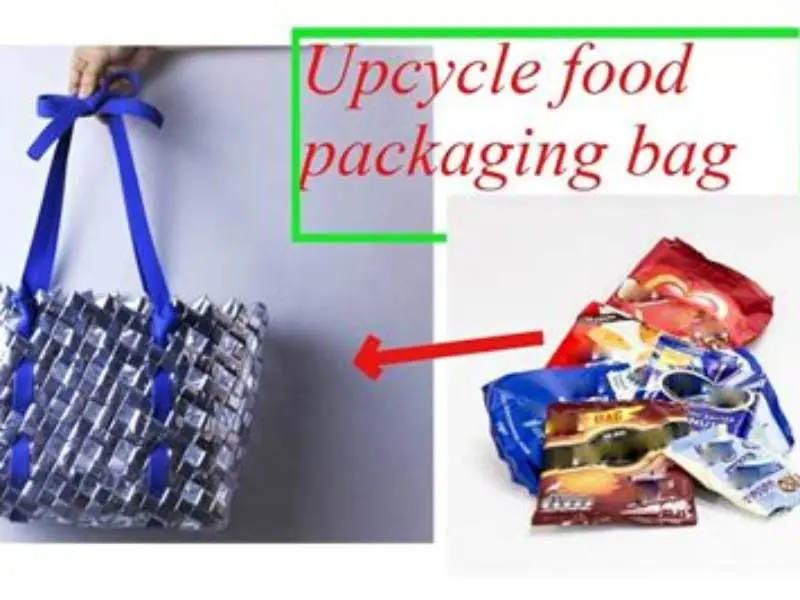
Plastic pouches come in many forms, often flexible film with layers. Some are recyclable while others are not, depending on the plastic types and local recycling rules.
Pouches made from single plastics like polyethylene (PE) with recycling symbols #2 (HDPE) or #4 (LDPE) often can be recycled curbside. These are usually clear or milky plastic bags or pouches without metallic or foil layers.
Multilayer pouches with foil, metallized films, or mixed plastics usually are not accepted in curbside recycling. Their layers prevent mechanical recycling processes from working properly.
The key is to identify the pouch’s plastic content and confirm your local recycling program’s acceptance. Some areas collect these at special drop-offs or grocery stores with plastic bag recycling. It helps to understand what material is best for a water bottle before going further.
How to identify recycling symbols on pouches
Most plastic pouches have recycling symbols printed or embossed on their back or bottom. These are usually a triangle of chasing arrows with a number inside, like #2 or #4.
Focus on the numbers: #2 means high-density polyethylene (HDPE), which recycles easily. #4 means low-density polyethylene (LDPE), also widely recycled but less so than #2.
If the pouch lacks a recycling number or has numbers like #3, #5, #7, or no symbol at all, it likely won’t be accepted in curbside recycling. We cover how to sew a pouch bag in its own article.
Some pouches have multiple layers and no clear symbol. Avoid these for curbside and look for special collection points.
- Check the back or bottom of the pouch for the recycling triangle symbol.
- Identify the number inside the triangle (focus on #2 or #4).
- If no symbol or other numbers, consider drop-off recycling options.
- Note foil or metallic finish which usually means non-curbside.

Rechargeable 30X 6X Magnifying Glass for Reading,Large Full Page Magnifier
Helps identify small or faint recycling symbols on pouches with 30X spot magnification and 36 ultra-bright LEDs for illumination
How to prepare plastic pouches for recycling
Rinsing pouches until free of food residue is critical. Residue contaminates recycling batches and can cause entire loads to be rejected.
After rinsing, let the pouch dry completely. Wet pouches often get rejected or clog sorting machinery. There is more on temporary water loss from waist wraps in a separate guide.
Flatten pouches to save space in your recycling bin and prevent them from catching in machines during processing. Flattening also helps the material be sorted properly.
Remove any caps, labels, or adhesive parts if your local recycling program requests it. Some accept pouches as-is, others do not.
Some pouches have built-in spouts or resealable zippers. These parts often contain different plastics or even metal components. Check if your local recycler requires you to cut off and remove these parts before recycling. It helps avoid machinery damage and contamination.
If you’re unsure about the pouch’s components, try tearing a small corner to see if it’s a single plastic type or multiple layers bonded together. Single-layer pouches tear evenly, while multilayer ones feel tougher and may have a metallic shine. This quick test guides whether your pouch belongs in curbside recycling or special drop-offs.
- Rinse the pouch inside thoroughly with water.
- Shake out excess water and air dry fully.
- Flatten the pouch by pressing out air and folding.
- Remove caps or labels if your local program requires.
Many plastic pouches fail curbside recycling due to unclear symbols and leftover residue; we explain how to sort and prep them right.
Where to recycle plastic pouches if not curbside
If your curbside program doesn’t accept plastic pouches, find alternative recycling drop-off points. Many grocery stores collect plastic bags, wraps, and pouches separately.
Look for designated bins labeled for plastic film recycling. These accept items like shopping bags, sandwich bags, and plastic pouches with certain symbols.
Some waste and recycling centers offer special collection days or permanent drop-off locations for flexible plastics that regular bins reject.
If unsure, contact local waste authorities or check websites for drop-off locations near you.
Some grocery stores limit collected items to clean plastic bags and exclude pouches with sticky residues or food traces. Confirm before you drop off. Dirty pouches can spoil entire batches of collected film.
Occasionally, mobile recycling units visit communities to collect flexible plastics including pouches. These pop-up events provide chances to recycle items rejected curbside. Sign up for local waste authority newsletters or follow their social media to catch these events.
In areas without any drop-off options, consider mailing programs offered by certain brands or recycling companies. They send you pre-paid envelopes to send back clean, empty pouches for specialized recycling. This option handles multilayer and hard-to-recycle films that local bins won’t accept.
- Grocery store plastic film bins accept some pouches.
- Municipal recycling centers may have special flexible plastics programs.
- Online search terms: 'plastic pouch recycling near me', 'plastic film drop-off'.
- Avoid landfill by using these alternate channels.
How to recycle plastic pouch: step-by-step
Follow these steps to recycle plastic pouches correctly and avoid contamination or rejection by recyclers.
Start by identifying the recycling symbol on your pouch. Only proceed if it is #2 or #4, or your local rules say other numbers are accepted.
Next, rinse thoroughly to remove all residue and let the pouch dry fully. Wet or dirty pouches cause problems at recycling plants.
Flatten the pouch to reduce volume and prevent machine jams. Remove caps or labels if your recycler asks you to.
Place the prepared pouch in your curbside recycling bin if accepted or take it to a special plastic film drop-off bin.
If neither option is available, hold on to the pouch until you find a suitable collection point or reduce usage.
- Identify recycling symbol (look for #2 or #4).
- Rinse pouch until clean; no food residue.
- Dry pouch completely, inside and out.
- Flatten pouch to save space and ease sorting.
- Remove caps/labels if local rules require.
- Recycle in local curbside bin or designated drop-off.
Why recycling plastic pouches matters for gym-goers and daily life
Plastic pouches are everywhere in daily life, from snacks and drinks to toiletries you carry on gym visits. Knowing how to recycle them keeps waste out of landfills and oceans.
Gym users often juggle phones, keys, cards, and bottles. Choosing reusable bottles and minimal single-use plastics reduces waste, but when pouches are in use, recycling them properly closes the loop.
Some gyms offer collection bins for plastic film. Bringing your plastic pouch recycling knowledge improves local recycling rates and supports cleaner facilities.
Adopting hands-free phone mounts and magnetic gym bags can minimize carrying extra plastic packaging by encouraging reusable containers and simple setups.
FAQ
Are all plastic pouches recyclable?
No. Only pouches made from single plastics like #2 or #4 are usually accepted in curbside recycling. Multilayer or foil pouches often require special drop-off recycling.
How can I tell if my plastic pouch is recyclable?
Look for the recycling triangle symbol with numbers #2 or #4. If you see other numbers or foil lining, the pouch likely isn’t accepted curbside.
Do I need to clean plastic pouches before recycling?
Yes. Residue from food or liquids can contaminate recycling batches. Rinse and dry pouches fully before recycling.
What if my curbside recycling doesn’t accept plastic pouches?
Use grocery store or special recycling drop-off bins for plastic film, including pouches. Check local programs or municipal waste centers for options.
Can I recycle pouches with caps or labels on?
Check local rules. Some require removing caps and labels, others accept pouches as-is. Removing non-plastic parts helps prevent contamination.