Will an iron workout plate glued to your phone case erase card magnet stripes

An iron workout plate glued to a phone case does not generate a magnetic field strong enough to demagnetize card stripes, as iron alone is not a permanent magnet and does not emit a significant magnetic field.
On this page (8 sections)
- Remember this
- Does iron glued to a phone case produce magnetic fields strong enough to affect card stripes
- Common misconceptions about magnetism from iron plates
- How card magnetic stripes can be demagnetized
- Practical advice for using workout plates as phone mounts without risk to cards
- Will an iron workout plate glued to your phone case erase card magnet stripes
- What to do if your phone mount setup includes magnets and iron plates
- FAQ
Part of our guide on compatibility of magsafe mounts
Fast facts
- Iron plate magnetism
- Near zero gauss
- Card demagnetization field
- Above ~50 gauss
- Field from glued plate
- <5 gauss typical
- Permanent magnets
- 100+ gauss
- Risk to cards
- Minimal without magnets
Remember this
- Iron workout plates do not create strong magnetic fields on their own
- Card magnetic stripes are demagnetized by strong, permanent magnets or magnetic fields above about 50 gauss
- Misconceptions confuse iron’s magnetic attraction with magnetism that can erase cards
- Using iron plates as mounts poses minimal risk to cards if no magnets are involved
- Testing with a gauss meter confirms any magnetic risk in your setup
Does iron glued to a phone case produce magnetic fields strong enough to affect card stripes
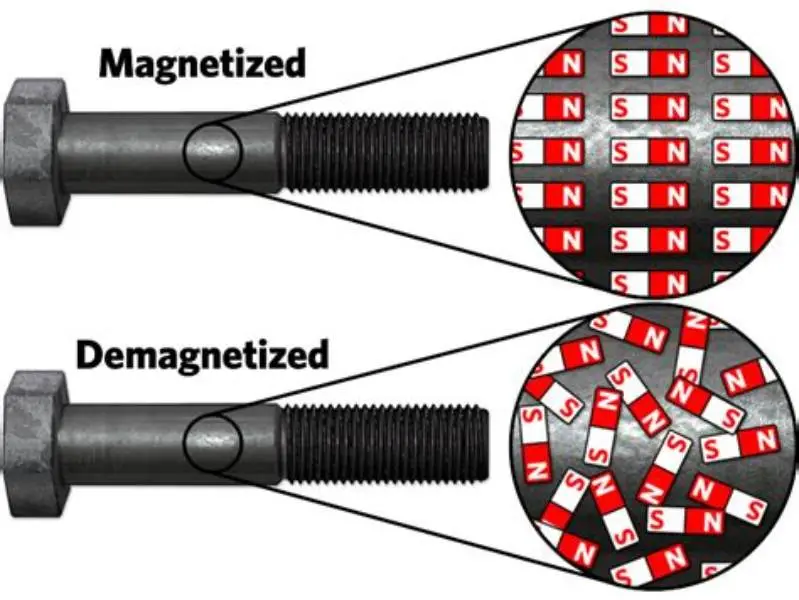
Iron by itself, such as an iron workout plate glued to a phone case, does not produce a permanent magnetic field. It can become magnetized temporarily in strong magnetic fields, but it is not a magnet itself. The magnetic field strength measured near iron plates glued to cases is typically below 5 gauss, far below the roughly 50 gauss threshold known to affect card magnetic stripes.
Magnetic stripes on credit and membership cards rely on tiny magnetic particles aligned in a pattern. Permanent magnets or magnetic fields above about 50 gauss can disrupt or erase this alignment. Iron plates, having no permanent magnetization, generate only extremely weak fringe fields that cannot interfere with the data on your cards, even if stored very close.
The crucial factor is the presence of a permanent magnet, for example in a magnetic phone mount or wallet, not the iron plate itself. Without a magnet, iron is just a metal piece with negligible magnetic emission. Thus, iron glued to your phone case alone poses no risk of demagnetizing cards.
Common misconceptions about magnetism from iron plates
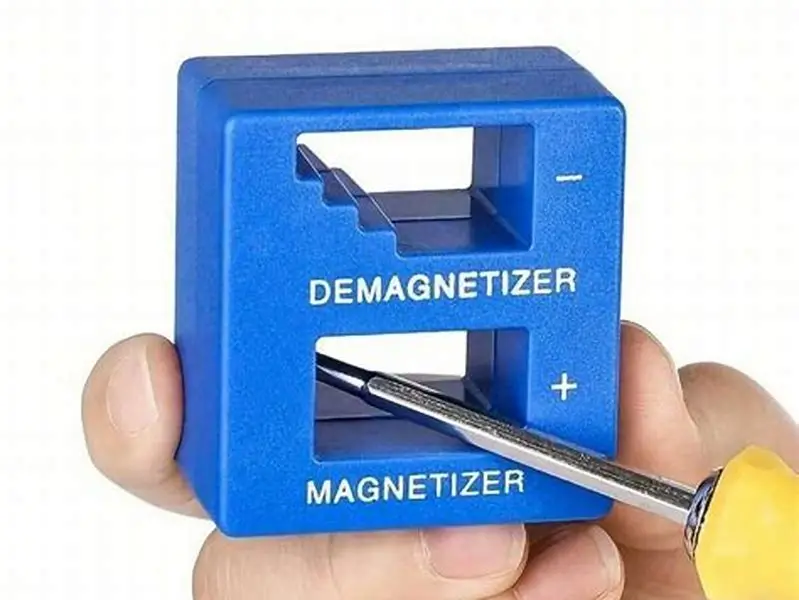
Many assume iron plates glued to phone cases create magnetic fields because iron is attracted to magnets. This attraction is due to iron's ferromagnetic properties, which make it strongly respond to nearby magnetic fields, but iron itself does not emit a significant magnetic field. We go through demagnetizing with the right tool step by step elsewhere on the site.
People confuse iron's ability to attract magnets with being magnetic itself. Iron is not a permanent magnet and will not erase card stripes because it cannot generate a field strong enough to realign magnetic particles on a card.
Objects made of iron or steel can be magnetized temporarily if exposed to strong magnets but do not retain this magnetism permanently. The residual magnetic field in everyday contexts is negligible.
Only magnets such as neodymium or ferrite types produce strong, permanent fields that can damage cards. Iron plates act passively, so any concern about demagnetization should focus on permanent magnets, not the iron. People in this spot often ask about magnets effect on credit cards as well.

Digital Gaussmeter/Tesla Meter Magnetic Field Tester
Detects magnetic fields from 0 to 2000 mT with ±2-5% error, suitable to check if your workout plate case magnetizes cards.
How card magnetic stripes can be demagnetized
Card magnetic stripes are demagnetized when exposed to magnetic fields exceeding about 50 gauss at close range. These fields realign or scramble the microscopic magnetic particles embedded in the stripe, erasing or corrupting the stored data.
Permanent magnets such as neodymium magnets commonly used in magnetic mounts produce fields of 100 gauss or more at their surfaces, enough to damage cards if placed in direct contact or very close proximity.
Non-magnetic metals, including iron plates glued to cases, do not produce these fields. However, if a permanent magnet is embedded inside or behind the iron plate, that magnet is the risk factor, not the iron itself. Before you commit to anything, it is worth looking at does phone holder magnet affect charging.
Other risk factors include exposure to strong electromagnets, industrial magnetic equipment, or prolonged storage near active magnetic sources. Normal household iron or steel parts do not cause card demagnetization.
Iron workout plates glued to phone cases do not emit magnetic fields strong enough to erase card stripes, separating fact from common magnetism myths.
Practical advice for using workout plates as phone mounts without risk to cards
If your phone case has an iron workout plate glued on for mounting or stability, the risk to cards is minimal unless you also use a permanent magnet. Avoid placing credit or ID cards directly on or under such plates if they contain magnets.
Test your setup’s magnetic field near the glued plate using an inexpensive handheld gauss meter. Readings below 10 gauss indicate negligible risk to card stripes. This simple test ensures peace of mind.
If you do use magnetic mounts with iron plates, separate your cards from magnets by at least 1-2 centimeters to keep fields below damaging levels. Use wallets or card sleeves that shield or distance cards from magnets.
Multiple small magnets or combined magnetic mounts may increase field strength locally. Always check combined effects and not just individual parts.
Carry cards in a separate pocket, away from magnets and iron plates when possible. This precaution eliminates any possible interference.
| Source | Minimum safe distance | Typical field strength at distance |
|---|---|---|
| Iron workout plate (no magnet) | 0 cm (direct contact safe) | < 5 gauss |
| Small neodymium magnet | 2 cm | Below 50 gauss |
| Large neodymium magnet | 5 cm or more | Below 50 gauss |
Will an iron workout plate glued to your phone case erase card magnet stripes
Direct answer: No, an iron workout plate glued to your phone case will not erase magnetic stripes on cards. Iron does not produce a permanent magnetic field strong enough to affect card data.
The only risk comes if the plate contains or is combined with permanent magnets. Then those magnets might erase or corrupt cards if placed too close. Plain iron, however, is safe for cards in all normal usage scenarios.
The confusion often arises because iron is ferromagnetic and attracts magnets, but without magnetization, it emits no harmful fields.
To be certain, test your phone case assembly with a gauss meter. If readings near the plate stay below 10 gauss, your cards are safe even in direct contact.
What to do if your phone mount setup includes magnets and iron plates
If your workout plate glued to the phone case also has magnets attached, you must take precautions to protect cards. Magnetic fields above 50 gauss can demagnetize card stripes within centimeters of the magnet surface.
Separate cards from magnets by using non-magnetic holders, sleeves, or wallets. Maintain a minimum distance of 2-5 centimeters depending on magnet strength.
Test magnetic field strength with a handheld gauss meter as a first step. This device will tell you if your cards are at risk and help you find safe storage distances.
If the magnetic plate is permanent and you must keep cards close, invest in RFID-blocking or magnetic-shielded card sleeves that reduce exposure.
Iron alone is harmless, but magnets glued under or on top of iron plates are the true risk to your card data.
- Check your phone case and mount for any embedded magnets.
- Use a gauss meter to measure field strength around the workout plate area.
- Keep cards away from areas reading above 50 gauss.
- Use protective sleeves or separate storage for cards.
- Re-test periodically as magnets or cases can shift.
FAQ
Can iron alone erase magnetic stripes on credit cards?
No. Iron is not a permanent magnet and does not produce a strong magnetic field to erase card stripes. Only permanent magnets or strong electromagnetic fields pose that risk.
What is the magnetic field strength that damages card stripes?
Typically, magnetic fields above about 50 gauss at close proximity can demagnetize cards. Fields below this threshold are generally safe.
How can I test if my phone mount will affect my cards?
Use a handheld gauss meter to measure magnetic field strength near the mount or iron plate. If readings are under 10 gauss, there is no risk to card data.
Do magnetic phone mounts with iron plates require special precautions?
Yes. If magnets are present in the mount or plate, keep cards at least 2 cm away and use protective sleeves to avoid demagnetization.
Is it safe to keep credit cards in a phone wallet with an iron workout plate?
If there are no magnets in the wallet or plate, yes, it is safe. If magnets are involved, risk depends on their strength and card proximity.