Will a magnetic charging cable work if my phone’s charging port is worn?

Yes, in most cases. A magnetic charging cable leaves a small metal tip seated in your worn port once, so the loose, worn connection that made you re-plug constantly is bypassed. The tip stays put and the cable snaps on magnetically, provided the port still holds the tip firmly at all.
On this page (8 sections)
- Remember this
- How a worn charging port actually fails
- Whether magnetic charging cables rely on the port's condition
- What types of magnetic cables work best with worn ports
- How to avoid further damage when charging a phone with a worn port
- When a magnetic cable is the wrong fix and a mount takes over
- Fixing the port itself: what repair actually costs and when to do it
- FAQ
Part of our guide on strong magnet for 1 litre steel bottle
Fast facts
- Does it work?
- Yes, if the tip grips firmly
- Port wear cause
- Thousands of plug-in cycles
- Data over magnetic tip
- Charging only, usually
- Fast charging
- Depends on tip rating
- Better first step
- Clean lint from port
- When to stop
- Tips fall out or wobble
Remember this
- A magnetic tip turns a daily plug-in problem into a one-time fit
- If even light tips fall out, the port needs cleaning or repair, not a different cable
- USB-C magnetic tips that sit deeper generally hold better than slim Lightning-style pins
- Wobble in a worn port can crack solder joints, so avoid cables that lever on the tip
- Data transfer usually stops working; plan on wireless or cloud syncing
How a worn charging port actually fails
A charging port rarely fails all at once. On a USB-C phone, the little tongue in the middle and the retaining rails at either side take a beating every time you yank the cable out at an angle, plug in in the dark, or charge while the phone is wedged against something. After a few years and several thousand insertions, the retention force drops. The plug slides in loosely, sits at a slight angle, and loses contact the moment the cable is nudged.
There are really two separate failures hiding in one worn port. The first is retention: the port no longer grips the plug shell, so the cable sags or falls out. The second is electrical contact: the springy pins inside stop pressing hard against the connector's contacts, so charging cuts out intermittently even when the plug is fully seated. A phone that only charges when the cable hangs at one specific angle is showing you the second failure.
Before blaming wear, rule out the cheapest cause of all: pocket lint. A flashlight into the port on most phones reveals a compacted grey plug of lint at the bottom that stops connectors from seating fully. A wooden or plastic pick, worked gently, removes it and often restores a grip that seemed gone. Only after the port is clean and still loose should you treat it as genuine mechanical wear.
Whether magnetic charging cables rely on the port's condition
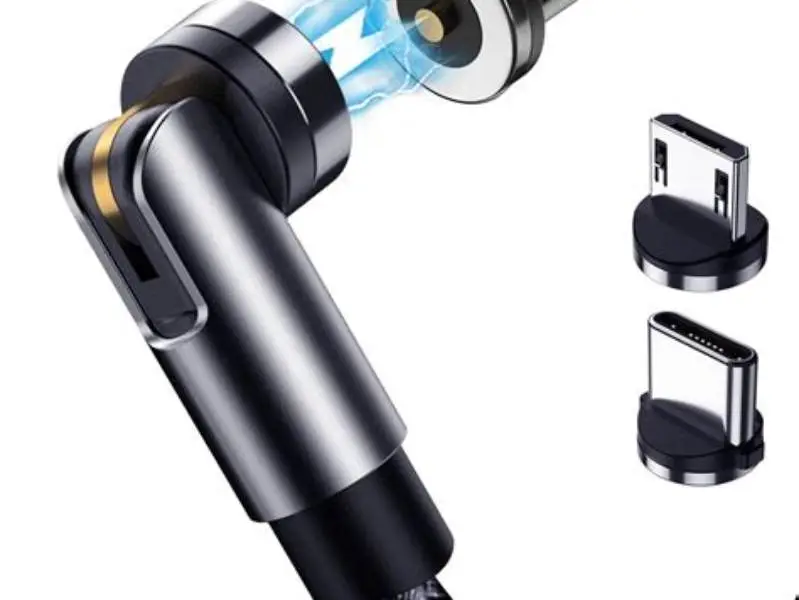
This is the crux of the question, and the honest answer is: partly, but far less than a normal cable. A magnetic charging cable works by leaving a small adapter tip permanently in your phone's port. The tip has the connector pins on one side and a magnet or magnetic steel cap on the other. You insert it once, and from then on the cable snaps onto the exposed tip instead of sliding into the port. The other half of this decision is qi enabled phone compatibility.
That one insertion is still an act of engineering into a worn port. If the port's retention rails are so chewed up that nothing stays in - if even a carefully inserted tip wobbles visibly or slides out under its own weight - the magnetic system has nothing to anchor to, and it will fail the same way every cable does. The magnet connects the cable to the tip; it cannot connect the tip to a port that refuses to grip.
But if the port still holds a plug with moderate friction - loose enough to annoy you, firm enough that a plug doesn't just drop out - the magnetic tip changes the situation completely. The tip goes in once, under controlled conditions, seated straight and fully, and stays there for weeks or months. The daily cycle of insertion wear and angled stress that was destroying the port simply stops. The worn contacts mate with the tip's pins in one stable position instead of forty shifting ones.
The practical rule: if a normal cable falls out on its own, a magnetic tip probably will too, and the port needs cleaning or service. If a normal cable stays connected but only when you don't touch it, a magnetic tip is very likely to fix the problem. We cover sweat damage prevention for iphone 17 pro in its own article.

KUULAA 3Pack Magnetic Charging Cable USB C,3A Fast Charging/Data Transmission
Stops you yanking a frayed port by leaving a magnetic Type‑C tip in place and still supplies 3 A to fast‑charge the phone.
What types of magnetic cables work best with worn ports
Not all magnetic tips grip a worn port equally, because the tips themselves differ in how much of the port's retention structure they actually use. The three common families behave differently once retention force is gone.
USB-C magnetic tips are the strongest choice for a worn USB-C port. The better ones are shaped like a full-size plug, with the same retaining rails a normal connector uses, so they engage whatever grip is left. Because the tip stays inserted permanently, you can also seat it deeper and straighter than you'd ever manage with a cable attached. Micro-USB magnetic tips work the same way but with less retention to begin with; Lightning-style tips on iPhones are thinner and rely more on the port's spring contact, which is exactly the part that wears.
Tip retention matters more than magnet strength here. Manufacturers quote magnet pull in grams, but once the cable is snapped on, the weakest link is the tip-to-port fit, not the magnet-to-tip bond. A tip that grips the port firmly and a magnet of moderate strength is a better combination than a huge magnet on a loose tip. Look for tips described as full-shell or deep-seat rather than slim or low-profile - slim tips exist to be case-friendly, but they have less contact with a worn port's rails.
One more spec matters: current rating. Worn contacts already have higher resistance, which wastes some power as heat, so a tip rated for at least 3A keeps fast charging realistic. Tips rated 2A or less will charge, but slowly and warm.
| Tip type | Retention in a worn port | Best use |
|---|---|---|
| Full-shell USB-C tip | Good - uses the port's own rails | Worn USB-C phones, permanent fit |
| Slim low-profile tip | Weak - minimal rail contact | Tight cases, healthy ports |
| Micro-USB tip | Moderate | Older Android phones |
| Lightning-style tip | Fair - relies on spring contact | Older iPhones |
- USB insert once, snap on daily
- Full-shell tips use the port's own grip
- Magnet absorbs cable tugs instead of the port
- 3A-rated tips keep fast charging
- Data transfer usually lost
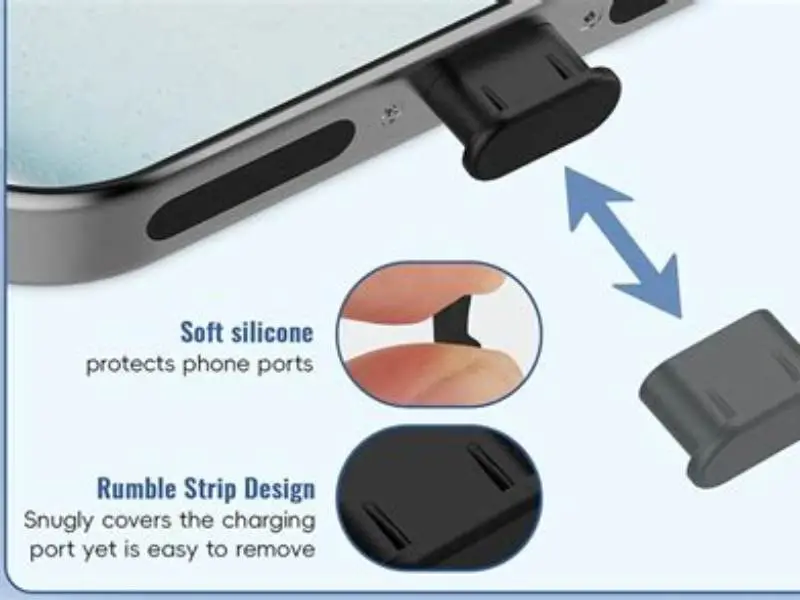
- Exposed tip collects pocket debris
- Slim tips grip worn ports poorly
- Cheap tips wobble and stress contacts
How to avoid further damage when charging a phone with a worn port
Worn ports fail progressively, and how you charge between now and a repair decides how fast. The worst habit for a worn port is charging under sideways load: phone on the dash with the cable pulling left, phone propped on a gym rack with the lead dragging down. Every sideways tug flexes the solder joints holding the port to the phone's board, and that is the failure you cannot clean or re-seat your way out of.
The magnetic tip helps here in a way worth understanding. Because the cable separates from the tip at the magnet rather than at the port, a yank on the cable detaches the cable cleanly instead of transmitting force into the connector. The tip stays seated and the port feels almost none of it. This is genuinely better for a worn port than any rigid cable, provided the tip itself is seated straight.
Seating the tip is the one moment of risk, so do it deliberately. Insert it fully and squarely the first time, with the phone flat on a table so nothing is angled. If the tip rocks or sits visibly crooked, remove it, clean the port again, and try once more - a crooked tip charging for months will wear the contact pads unevenly. From then on, leave it in. Repeated removal defeats the whole point.
Two habits finish the job. Keep the exposed tip clean, because pocket grit on a magnet-tipped connector gets ground into the contacts every snap-on cycle; a dry cotton swab weekly is enough. And accept the data limitation quietly: magnetic tips carry charge pins, almost never data lines, so move files by Wi-Fi, cloud, or a wireless link rather than wrestling cables into the fragile port.
- Clean the port with a plastic pick and check it under a light
- Seat the magnetic tip straight, phone flat, and push it fully home
- Confirm it holds with a gentle wiggle before snapping the cable on
- Leave the tip in place and clean it weekly with a dry swab
When a magnetic cable is the wrong fix and a mount takes over
There is a point where a worn port stops being a cable problem and starts being a setup problem, and it usually shows up in cars and gyms first. If your phone lives on a car mount or a treadmill holder, a worn port plus a dangling cable is the most stressful combination it can face: vibration, gravity, and a loose connector all working together. The port loses contact, charging stutters, and you end up holding the cable against the phone with one hand.
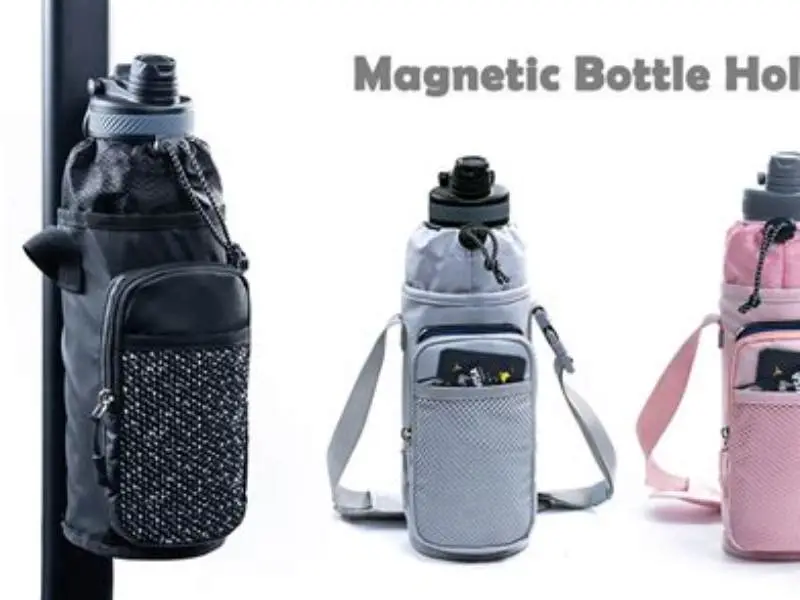
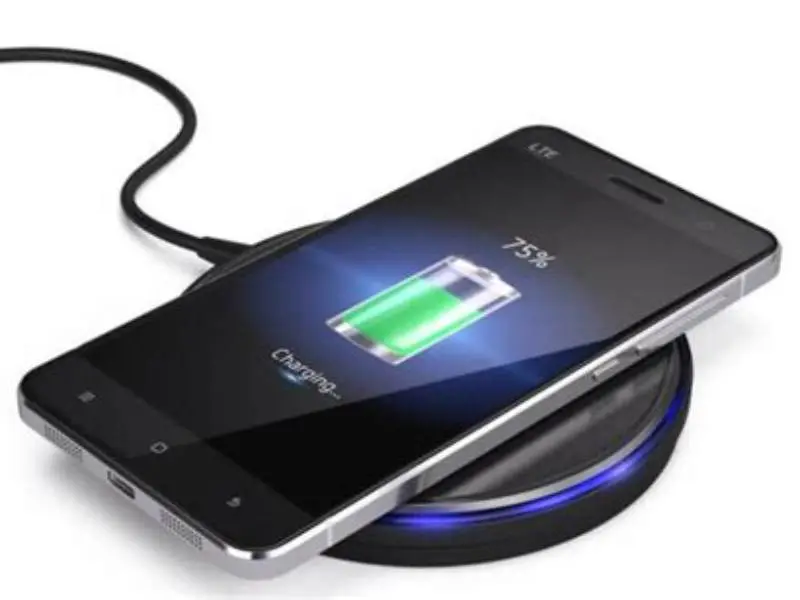
This is exactly where the worn port should be retired from duty altogether. A Qi wireless charging mount - magnetic MagSafe-style for newer iPhones, clamped Qi pads for Android phones - needs no port contact at all. Charging happens through the back of the phone, so the worn connector sees zero cycles, and a magnetic mount holds the phone through vibration and bumps without any cable involvement. For gym use, the same logic applies: a magnetic plate stuck to a rack, a bottle, or a bag holds the phone hands-free while a wireless pad on the bench or a topped-up battery covers the power side.
The honest combined setup for a badly worn port looks like this: magnetic tip in the port for slow overnight charging on the desk, wireless charging mount in the car and on the gym setup for everything in motion, and the port saved for the occasional repair-shop visit or data backup. If the phone supports Qi2 or MagSafe, a magnetic wireless mount is the single best purchase, because it solves both the holding and the charging problem without touching the damaged connector once.
- Wireless charging bypasses the port entirely
- MagSafe mounts hold through car vibration
- No cable to snag on gym racks
- Port gets rest instead of more wear
- Charges slower than a good cable
- Wireless adds some heat
- Magnetic mounts need a MagSafe or Qi2 ring
- Clamp pads need a compatible case
Fixing the port itself: what repair actually costs and when to do it
A magnetic tip buys time, not a cure. If the phone is otherwise worth keeping, a charging port replacement is a routine, inexpensive repair, and knowing the threshold helps you decide when to stop compensating. Replace the port when: no plug or tip holds reliably after a thorough cleaning; the phone only charges at one cable angle even with a fresh tip; charging intermittently drops while the phone sits untouched; or the connector area feels visibly wobbly in the housing, which suggests the board-level solder has cracked.
Port replacement on most mainstream phones is a workshop job measured in well under an hour, because on many models the port is part of a small daughterboard or a flex cable that unplugs rather than something soldered in place. Third-party repair shops charge a modest flat fee for it, far less than a new phone, and the repair restores full retention and full charging speed in one go. On some sealed or flagship models the work is harder and pricier, so a quote before committing is worth the phone call.
Until you book it, treat the port as a resource to be rationed. Magnetic tip for charging, wireless mount for mobility, no cables yanked at angles, and the port stops getting worse the day you stop feeding it insertions.
A magnetic charging cable is a legitimate workaround for a worn port as long as the port still grips a tip firmly - and a Qi wireless mount is the better long-term pairing for car and gym use.
FAQ
Will the magnetic tip fall out of an already loose port?
Possibly, yes. The tip uses whatever retention the port has left, so if plugs slide out under their own weight, a tip will too. Clean the port first; if it still won't grip, the port needs repair rather than a different cable.
Can I still transfer data through a magnetic cable?
Almost never. Most magnetic tips carry charge pins only and break the data lines, so file transfers over the cable stop working. Move files by cloud, Wi-Fi transfer, or wireless backup instead.
Does a magnetic tip slow down fast charging?
It can. The tip's current rating and the worn contacts' extra resistance both cut into charging speed. Choose tips rated at least 3A and expect somewhat slower charging than a healthy port with a good cable.
Is leaving a magnetic tip in the port permanently safe?
Generally yes, if it's seated straight and kept clean. The bigger risk is removing and reinserting it constantly, which recreates the wear cycle you're trying to escape, and grit on the exposed tip grinding into contacts.
Do magnetic cables work with thick cases?
It depends on tip style. Full-shell tips need port clearance and may not reach through a thick case's moulded port cover; slim tips fit cases but grip worn ports poorly. A case with an open or cutaway port opening solves it.
What if my phone charges only at one exact cable angle?
That's electrical contact failure inside the port, and a magnetic tip seated straight in that one good position can genuinely stabilise it for a while. Treat it as a stopgap and get a repair quote, because the contact wear continues.